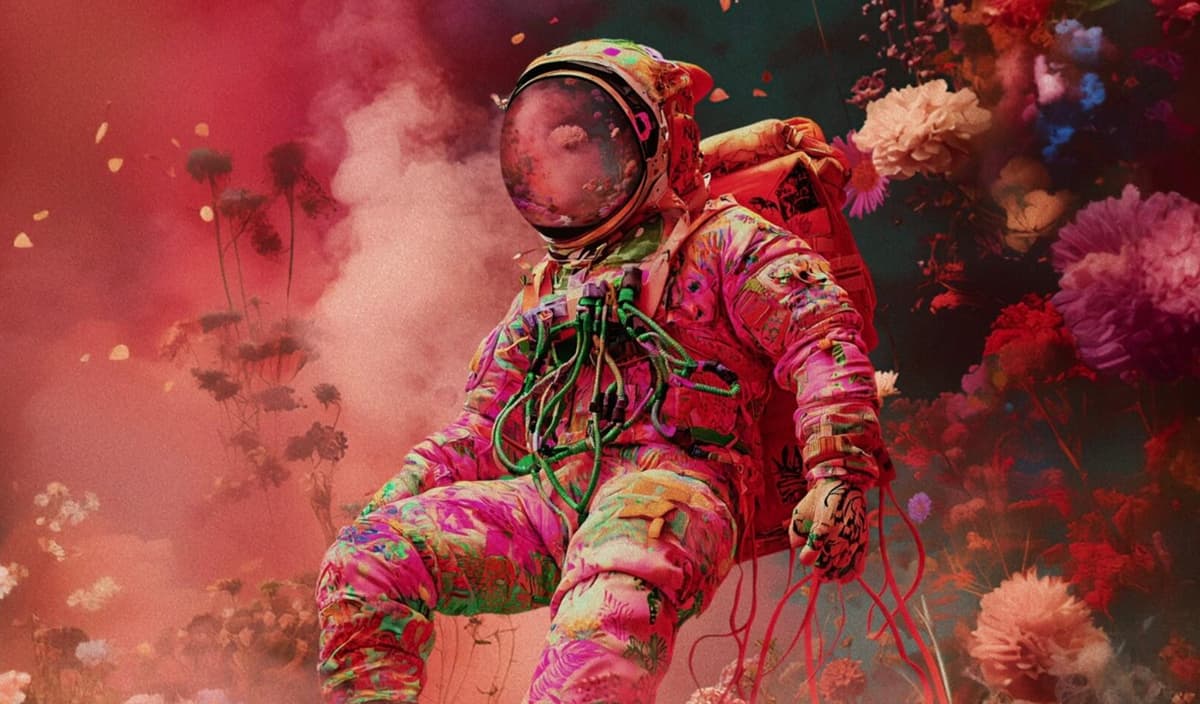
In Other Worlds: Step Into an Immersive Experience at the Barbican
•March 9, 2026
0
Why It Matters
The exhibition demonstrates how speculative storytelling can translate climate urgency into tangible public engagement, influencing cultural discourse and policy considerations. It positions immersive art as a catalyst for rethinking sustainable futures.
Key Takeaways
- •Liam Young's first UK solo show opens at Barbican.
- •Exhibition runs 21 May‑6 September 2026, tickets now available.
- •Combines art, film, sci‑fi to explore climate solutions.
- •Features costumes, installations, literature, and immersive storytelling.
- •Highlights speculative design's role in future urban planning.
Pulse Analysis
Australian filmmaker and designer Liam Young makes his debut UK solo exhibition at the Barbican Centre, titled In Other Worlds. The show, running from 21 May to 6 September 2026, brings together Young’s multidisciplinary practice—film, design, and speculative storytelling—into a single immersive environment. Known for BAFTA‑nominated work and previous installations at the Met, the Royal Academy and Venice Biennale, Young leverages his reputation to attract both cultural connoisseurs and sustainability advocates. The Barbican’s reputation for large‑scale, cross‑disciplinary programming makes it an ideal platform for this ambitious project.
In Other Worlds fuses art, film, costume design, literature and interactive installations to pose urgent questions about the climate crisis and humanity’s future relationship with technology. Visitors navigate speculative streets and ecosystems that visualise alternative energy systems, resilient urban forms and new human‑machine symbioses. By framing climate action as narrative rather than policy, the exhibition encourages audiences to rehearse possible solutions in a safe, imaginative space. The inclusion of tangible artifacts—such as custom‑made garments and handcrafted set pieces—grounds the speculative scenarios, making abstract concepts palpable for a diverse public.
The show signals a growing trend where cultural institutions use speculative design to influence public discourse on sustainability. By positioning future scenarios as immersive experiences, the Barbican and Young demonstrate how storytelling can bridge the gap between scientific data and everyday decision‑making. This approach may inspire policymakers, architects, and corporate leaders to consider narrative‑driven prototypes when crafting climate strategies. As audiences leave the exhibition with vivid mental models of alternative worlds, the potential for collective imagination to shape real‑world outcomes becomes increasingly tangible.
In Other Worlds: Step into an immersive experience at the Barbican
0
Comments
Want to join the conversation?
Loading comments...