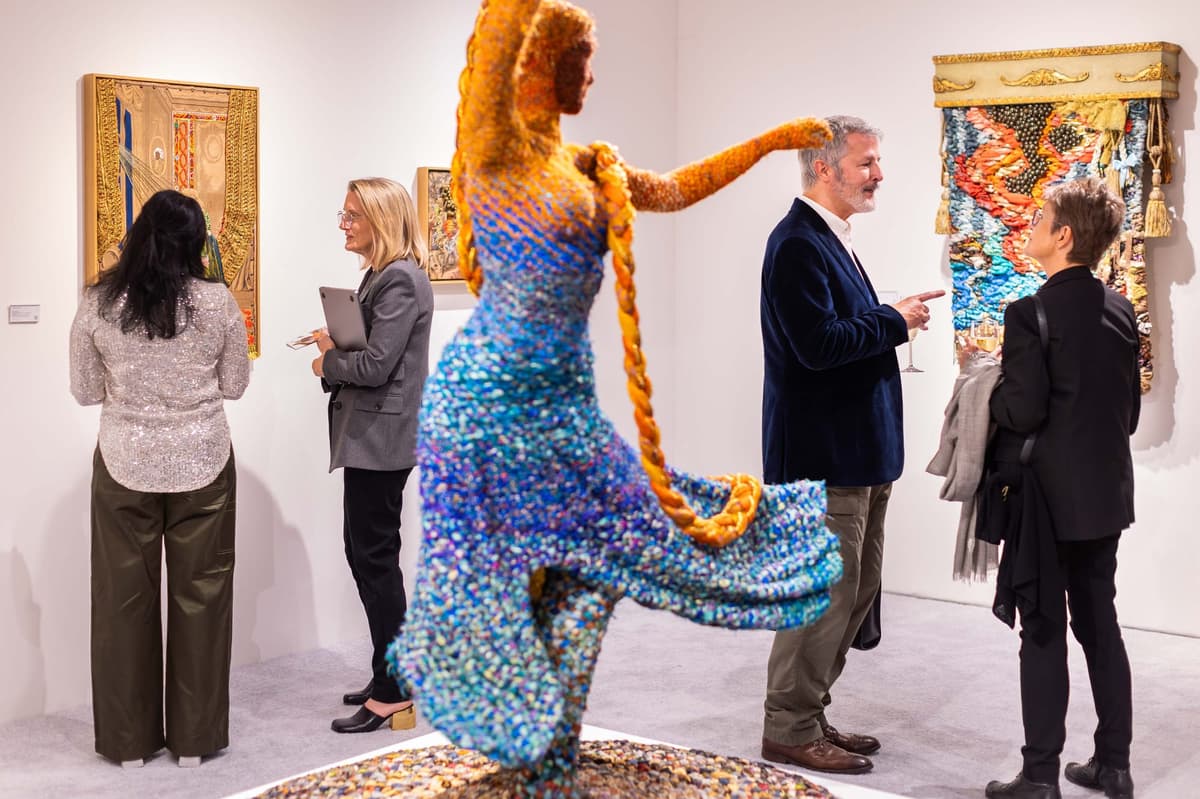
In Surprising Twist, ADAA Art Fair Will Now Benefit the Whitney Museum
Why It Matters
Redirecting ADAA’s fair revenue to the Whitney strengthens the museum’s educational outreach while leaving a major social‑services nonprofit to replace a reliable funding stream, reshaping New York’s cultural‑philanthropic landscape.
Key Takeaways
- •ADAA redirects fair proceeds to Whitney Museum’s education programs
- •Henry Street Settlement loses $1 M annual funding from ADAA fair
- •Whitney gains new philanthropic partner amid broader cultural ecosystem
- •ADAA plans November fair without a defined charitable beneficiary until now
- •Independent Art Fair steps in to support Henry Street after ADAA cancellation
Pulse Analysis
The ADAA’s decision to channel its November fair’s gala proceeds to the Whitney Museum reflects a broader trend of art market entities aligning with high‑profile cultural institutions. By supporting the Whitney’s education and artistic programs, ADAA taps into the museum’s national brand and its recent initiative to offer free admission to visitors aged 19‑25, potentially expanding audience reach and donor appeal. This partnership also signals a strategic pivot toward institutions that can amplify the association’s visibility within the wider cultural ecosystem, rather than smaller community‑focused nonprofits.
For the Henry Street Settlement, the loss of roughly $1 million in unrestricted funding represents a significant shortfall in its ability to deliver health, housing, and arts services to an estimated 50,000 Lower East Side residents. The nonprofit quickly secured a new ally in the Independent Art Fair, underscoring the resilience of New York’s nonprofit sector when traditional benefactors withdraw. However, the shift highlights the vulnerability of social‑service organizations that rely heavily on single‑source philanthropy from the art world.
Industry observers note that ADAA’s move may influence other dealer associations and art fairs to reassess their charitable affiliations, especially as museums like the Whitney pursue broader public engagement goals. The partnership could inspire similar collaborations that marry market‑driven events with educational outreach, creating mutually beneficial revenue streams. At the same time, it raises questions about the distribution of arts funding and whether high‑visibility institutions will increasingly dominate philanthropic attention at the expense of grassroots organizations.
In Surprising Twist, ADAA Art Fair Will Now Benefit the Whitney Museum
Comments
Want to join the conversation?
Loading comments...