Inuk Artist Laakkuluk Williamson Debuts First Solo Show at London’s Mimosa House

Why It Matters
The debut of Nuliaminik Neqilik in a major UK gallery signals a shift toward greater inclusion of Indigenous narratives within the global art market. By foregrounding Inuit mythology and contemporary concerns about colonialism, the exhibition offers audiences a lens into Arctic cultural resilience that has historically been marginalized in Western institutions. Beyond cultural representation, the show’s itinerary—London, Nuuk, Ottawa—creates a rare cross‑regional dialogue that could inspire other institutions to commission and tour work by Indigenous artists. The visibility of Williamson’s practice may also encourage funding bodies and collectors to invest in Arctic art, potentially reshaping market dynamics and academic discourse around Indigenous contemporary art.
Key Takeaways
- •Laakkuluk Williamson’s first UK solo exhibition, Nuliaminik Neqilik, opened at Mimosa House in London
- •Exhibition runs until June 27 before traveling to Nuuk Art Museum and Ottawa’s SAW Centre
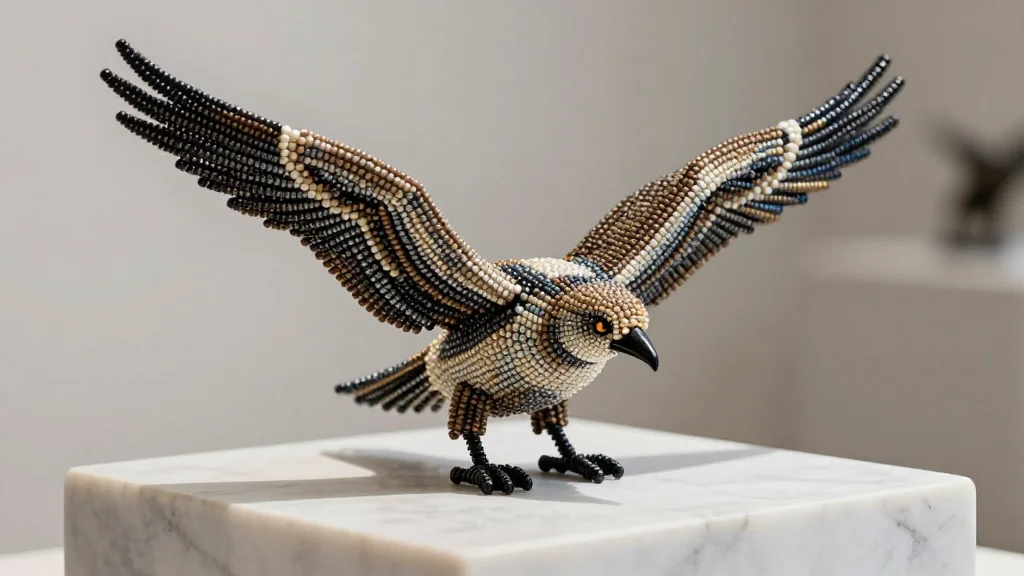
- •Works combine beadwork, photography, vocal performance and historic Inuit object replicas
- •Curated by Inuk artist Taqrilik Partridge; praised by Mimosa House director Kirsty Ogg
- •Williamson is a 2021 Sobey Art Award winner with prior shows at the National Gallery of Canada
Pulse Analysis
Laakkuluk Williamson’s London debut arrives at a crossroads where major institutions are scrambling to address calls for decolonization. Mimosa House’s decision to host an Inuit‑centered narrative reflects a strategic pivot: institutions are leveraging the authenticity of Indigenous voices to attract new audiences and funding streams tied to diversity initiatives. This move also positions the gallery as a conduit between the Arctic and Western art worlds, a role that could become a template for other mid‑size venues seeking relevance in a crowded market.
Historically, Inuit art has been relegated to ethnographic displays rather than contemporary galleries. Williamson’s integration of performance, modern media and traditional craft disrupts that legacy, positioning Inuit creation as a living, evolving practice. The exhibition’s travel plan amplifies this disruption, turning a single‑city show into a multi‑regional circuit that challenges the conventional, static museum model. If the subsequent shows in Nuuk and Ottawa generate strong critical and commercial response, we may see a surge in touring models for Indigenous exhibitions, prompting museums to allocate resources toward logistical support and collaborative curatorial frameworks.
Looking ahead, the key variable will be audience engagement beyond niche art circles. Should the exhibition attract significant visitor numbers and media coverage, it could catalyze a broader market appetite for Arctic contemporary art, influencing auction houses, private collectors and public funding bodies. Conversely, if reception remains limited, institutions may retreat to safer, less politically charged programming. Williamson’s project thus serves as a litmus test for the art world’s commitment to genuine inclusion versus performative gestures.
Inuk Artist Laakkuluk Williamson Debuts First Solo Show at London’s Mimosa House
Comments
Want to join the conversation?
Loading comments...