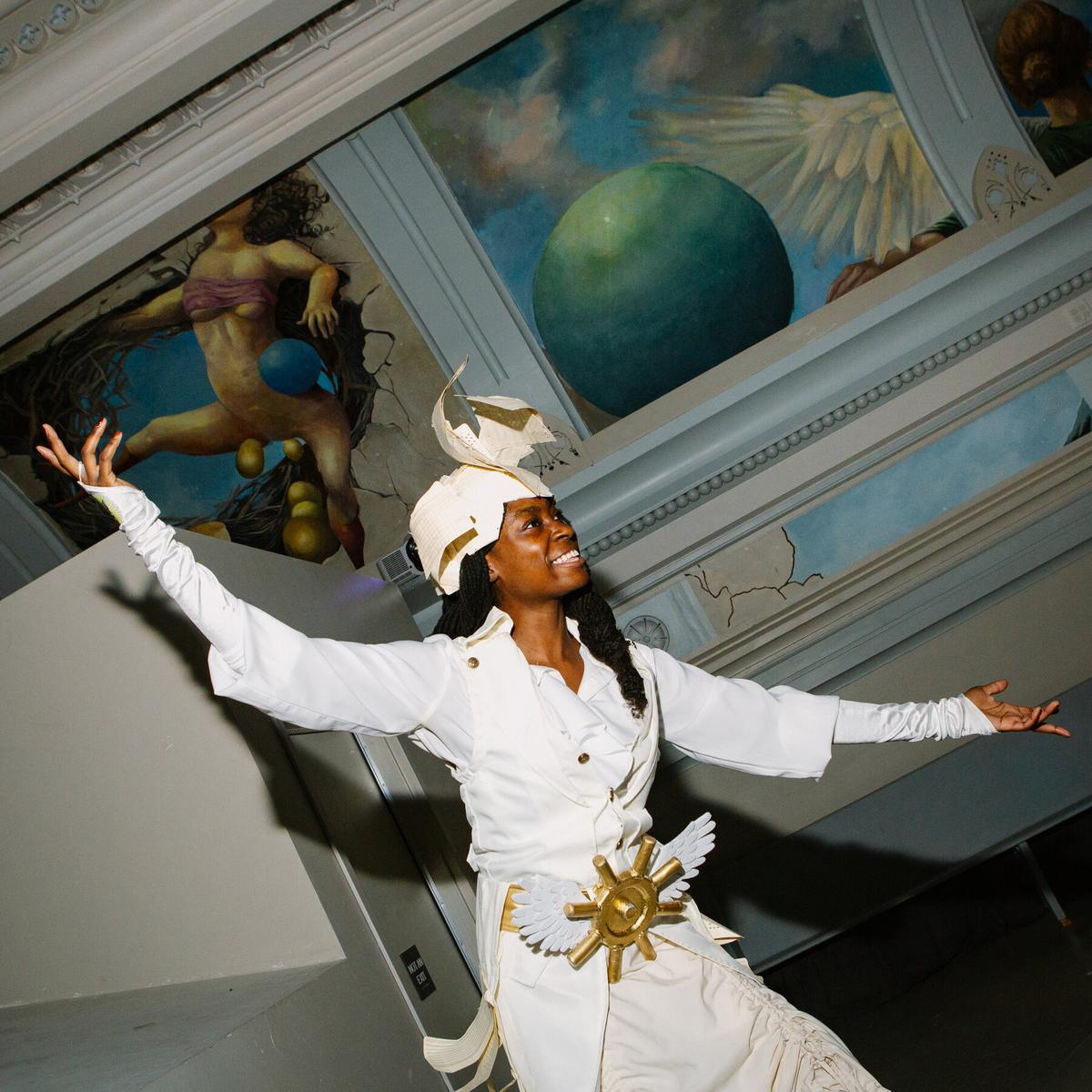
Is It an Art Gallery? A Museum? A Theater? A Dream?
Why It Matters
The venture demonstrates how immersive, ticket‑based art installations can generate new revenue streams for cities while revitalizing underused historic architecture. It also signals a shift toward experience‑driven cultural consumption, challenging traditional museum models.
Key Takeaways
- •$10 million immersive art project repurposes historic Philadelphia bank.
- •Over 100 local artists contributed to the six‑story installation.
- •Tickets priced at $29.99, attracting tourists and culture seekers.
- •Combines gallery, theater, museum, and interactive experiences in one space.
- •Signals growth of experiential venues competing with traditional museums.
Pulse Analysis
Immersive art experiences have become a cultural catalyst, turning dormant structures into revenue‑generating attractions. Cities like Philadelphia benefit from adaptive reuse, preserving architectural heritage while injecting fresh economic activity. The Ministry of Awe exemplifies this trend, converting a former bank—once a financial hub—into a multi‑sensory playground that draws both locals and out‑of‑town visitors, boosting hospitality and ancillary spending.
The installation’s design reflects a collaborative ethos, with more than a hundred regional creators shaping rooms that parody banking rituals. From a fortune‑telling teller to a Department of Fraud that encourages forgery, each space invites playful reflection on value and exchange. At $29.99 per ticket, the pricing model aligns with other premium experiential venues such as Meow Wolf, positioning the Ministry as a sustainable, ticket‑driven operation that can fund ongoing artistic turnover and technical upgrades.
For the broader cultural sector, the Ministry of Awe underscores a pivot toward experience‑centric programming. Traditional museums face attendance pressures, while immersive venues capture attention through interactivity and narrative depth. As investors recognize the profitability of such projects, more historic sites may be reimagined as dynamic cultural hubs, fostering community engagement, diversifying revenue, and redefining how art is consumed in the digital age.
Is It an Art Gallery? A Museum? A Theater? A Dream?
Comments
Want to join the conversation?
Loading comments...