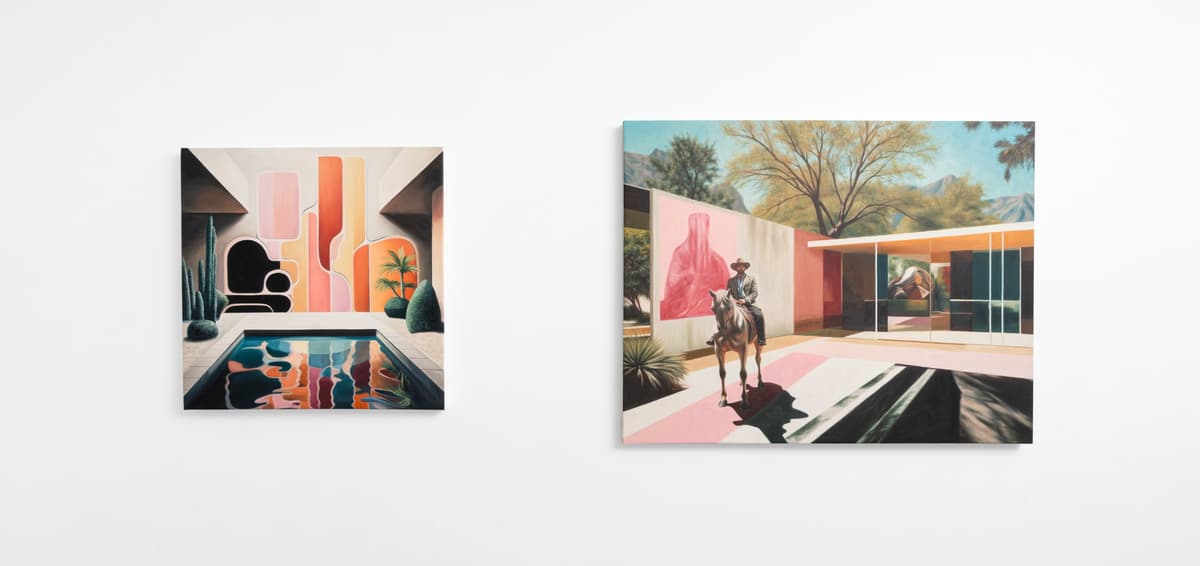
Israeli Artist’s Show in Mexico City Closes After Antisemitic Harassment
Why It Matters
The incident illustrates how geopolitical tensions can jeopardize artistic freedom and international cultural exchange, raising security and reputational risks for galleries and creators worldwide.
Key Takeaways
- •Exhibition shut a week early due to antisemitic vandalism
- •Online hate campaign preceded physical protests at the gallery
- •Swastikas, Stars of David, and “terrorists” graffiti defaced façade
- •Police presence inconsistent, leaving artist unprotected
- •Incident reflects broader rise in anti‑Jewish hostility worldwide
Pulse Analysis
The closure of Amir Fattal’s exhibition in Mexico City reflects a troubling intersection of art and rising antisemitism. While the show, titled “I’m Just Here For The Pool,” initially attracted modest attention, a coordinated online backlash quickly morphed into street-level intimidation. Such campaigns leverage social platforms to amplify grievances, often targeting artists based on nationality rather than content, and can rapidly evolve into vandalism that threatens public safety and cultural expression.
For galleries, the Fattal case highlights a growing security dilemma. Traditional reliance on police presence proved insufficient; authorities intervened during the first protest but withdrew before the second, leaving the venue exposed. This inconsistency forces cultural institutions to reassess risk management, invest in real‑time monitoring of digital threats, and develop rapid response protocols. Moreover, the incident signals to artists—especially those from contested regions—that their work may be judged through a geopolitical lens, potentially curbing creative freedom and limiting cross‑border collaborations.
The broader implications extend to cultural diplomacy and market dynamics. As antisemitic sentiment gains visibility, sponsors and collectors may hesitate to associate with exhibitions perceived as politically sensitive, affecting revenue streams for both artists and venues. Policymakers and industry leaders must therefore prioritize protective measures, foster dialogue that separates artistic merit from national identity, and reinforce legal frameworks that deter hate‑motivated attacks. By addressing these challenges, the art world can preserve its role as a conduit for diverse voices and maintain resilient international networks.
Israeli Artist’s Show in Mexico City Closes After Antisemitic Harassment
Comments
Want to join the conversation?
Loading comments...