Israeli Pavilion Artist Made Legal Threats Before Venice Biennale Jury Resigned
Why It Matters
The episode exposes how geopolitical disputes can destabilise major cultural institutions, creating legal risk for jurors and reshaping award structures. It also signals a shift toward audience‑driven recognition when traditional curatorial authority is challenged.
Key Takeaways
- •Artist Fainaru sent legal warnings alleging antisemitism, discrimination
- •Jury resigned, prompting Biennale to replace Golden Lions with Visitor Lions
- •Israeli and Russian pavilions reinstated for public‑vote awards
- •Protests outside Israeli pavilion underscore escalating cultural‑political conflict
Pulse Analysis
The Venice Biennale, founded in 1895, has long been a barometer of contemporary art’s global pulse. This year’s edition, however, became a flashpoint for geopolitical tension when the awards jury announced a policy to bar nations whose leaders face International Criminal Court charges, singling out Israel and Russia. The move sparked immediate backlash from artists, curators, and cultural ministries, culminating in legal threats from Israeli pavilion artist Belu‑Simion Fainaru, who accused the jury of antisemitic discrimination. His warnings, sent to the Biennale, the Italian Ministry of Culture, and the Prime Minister’s office, raised the specter of costly litigation and forced the jurors to reconsider their position.
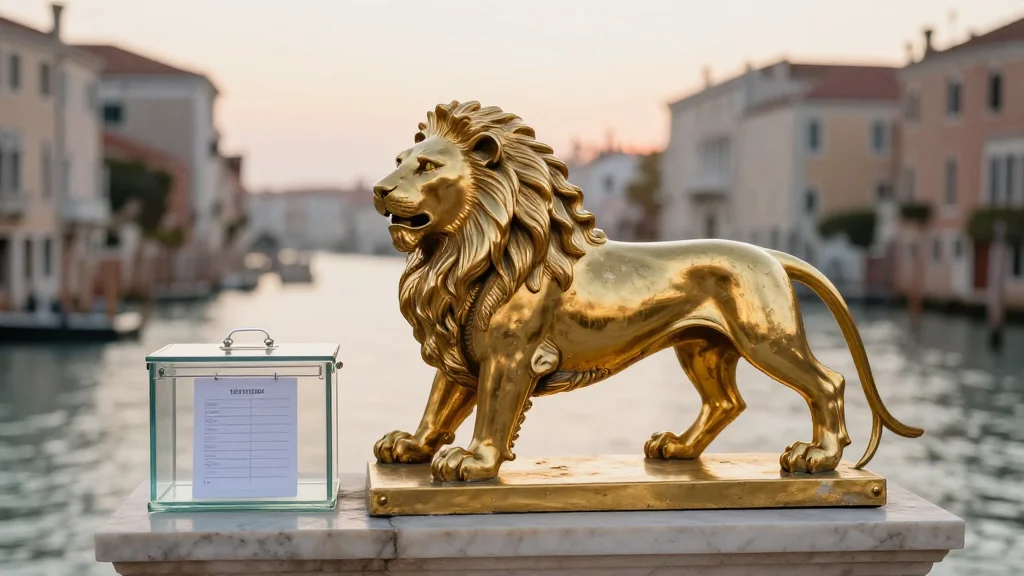
Under pressure, the all‑women jury stepped down, prompting the Biennale Foundation to scrap the iconic Golden Lion awards. In a rapid pivot, organizers introduced Visitor Lions, a prize determined by ticket‑holding visitors through an online voting platform. This democratized approach not only restored Israel and Russia to the competition but also shifted decision‑making power from a curated panel to the public, reflecting a broader trend of audience engagement in cultural governance. The legal and procedural scramble highlighted gaps in the Biennale’s statutes, which, according to Italian legal counsel, do not explicitly permit exclusion based on nationality.
The fallout extends beyond administrative reshuffling. Hundreds of activists, led by the Art Not Genocide Alliance, staged high‑visibility protests at the Israeli pavilion, temporarily blocking access and amplifying calls for a cultural boycott. These actions underscore how art institutions are increasingly arenas for diplomatic disputes, with reputational stakes for both sponsors and participating nations. As the Biennale navigates this turbulence, its handling of legal challenges, jury autonomy, and public‑driven awards will likely set precedents for future international exhibitions confronting similar political pressures.
Israeli Pavilion Artist Made Legal Threats Before Venice Biennale Jury Resigned
Comments
Want to join the conversation?
Loading comments...