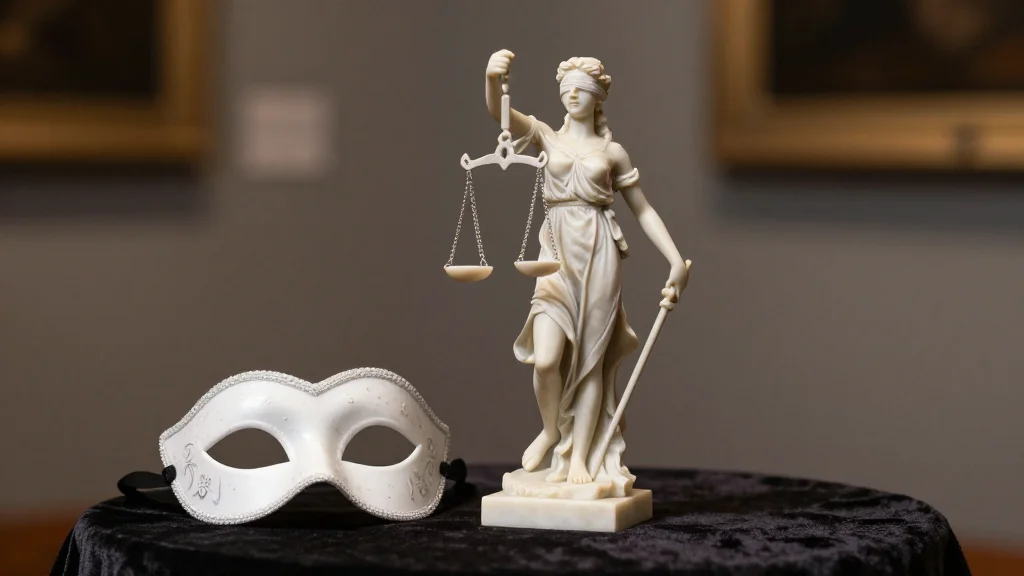
Israel’s Foreign Ministry Slams Venice Biennale Jury for Politicising Awards

Why It Matters
The dispute spotlights a growing tension between cultural institutions and international law enforcement mechanisms. When juries embed legal judgments into award criteria, they risk redefining the purpose of art exhibitions from platforms of creative exchange to arenas of political sanction. This could reshape funding models, sponsorship decisions, and the willingness of artists to engage with state‑backed projects. Moreover, the controversy may prompt other major biennials and art fairs to reassess their own prize policies. A shift toward explicit political vetting could alter the global art market’s dynamics, influencing where galleries choose to exhibit and how collectors evaluate works tied to contested national narratives.
Key Takeaways
- •Israeli foreign ministry labels Biennale jury's prize policy a "contamination of the art world"
- •Jury says it will not award prizes to countries whose leaders face ICC charges for crimes against humanity
- •Art Not Genocide Alliance gathered nearly 200 signatories demanding Israel's exclusion
- •The policy is understood to target Israel and Russia, both returning after periods of conflict
- •Biennale opens May 9; Israeli pavilion remains but prize prospects are uncertain
Pulse Analysis
The Venice Biennale has long been a barometer for how global politics intersect with contemporary art. This year’s jury decision marks a departure from the traditional focus on aesthetic innovation toward an explicit endorsement of international legal standards. Historically, biennials have navigated political controversy—think of the 1972 Documenta in Kassel or the 1995 São Paulo Bienal—but rarely have they codified legal indictments into award eligibility. By doing so, the Biennale jury is effectively turning the exhibition into a soft‑power instrument, aligning cultural prestige with the ICC’s mandate.
From a market perspective, the move could have a chilling effect on artists from sanctioned nations, prompting galleries and collectors to reconsider investments in works that might be deemed politically risky. Conversely, it may also create a niche for artists who explicitly address human‑rights issues, potentially boosting the visibility of politically engaged art. The long‑term impact will hinge on whether other institutions adopt similar policies or push back in defense of artistic autonomy.
Looking ahead, the Biennale’s handling of the situation will set a precedent for future cultural events. If the prize policy remains unchanged, we may see a wave of pre‑emptive boycotts or alternative award structures designed to sidestep political entanglements. If the jury revises its stance, it could signal a re‑affirmation of the principle that art should remain a space for open dialogue, irrespective of geopolitical pressures.
Israel’s Foreign Ministry Slams Venice Biennale Jury for Politicising Awards
Comments
Want to join the conversation?
Loading comments...