Italian Artist Sara Guberti Opens 'Invocation to the Goddesses' In Kathmandu

Why It Matters
Sara Guberti’s exhibition bridges European contemporary practice with South Asian spiritual traditions, highlighting how art can serve as a conduit for cross‑cultural gender discourse. By foregrounding divine femininity and inviting male audiences to reconsider empathy and compassion, the show challenges entrenched gender binaries in both artistic and societal contexts. Its multilingual, participatory format also models a new mode of museum engagement that values visitor contribution, potentially influencing curatorial strategies across the region. Moreover, the exhibition signals Kathmandu’s rising profile as an international art destination capable of hosting ambitious solo shows. As galleries in Nepal increasingly host global artists, they create platforms for dialogue that can reshape regional narratives around gender, spirituality, and cultural identity.
Key Takeaways
- •Italian artist Sara Guberti opens "Invocation to the Goddesses" at Siddhartha Art Gallery, Kathmandu.
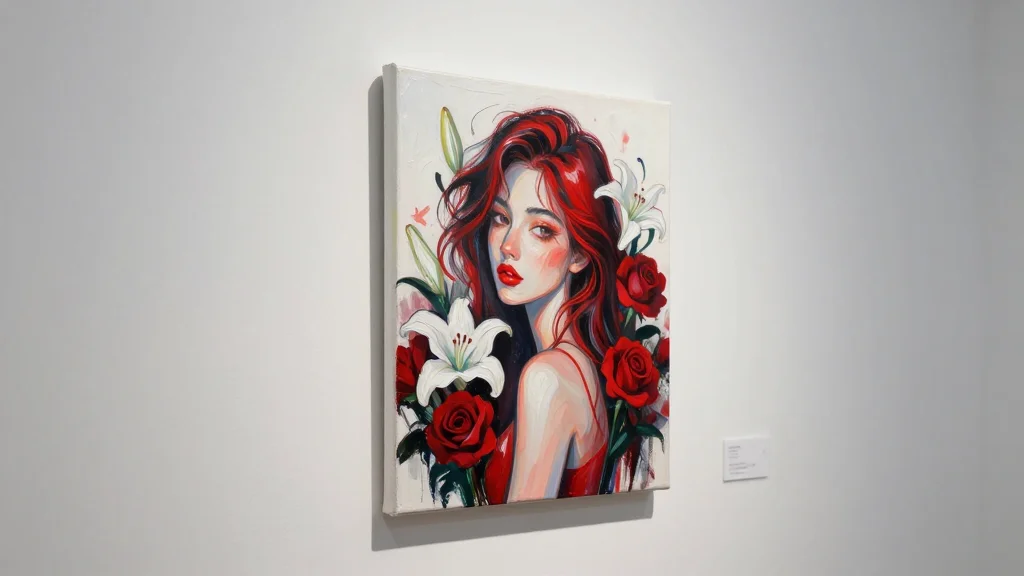
- •Exhibition features acrylic canvases in red, black and white, pairing goddess portraits with symbolic flowers.
- •Guberti’s titular piece includes messages in Newari, Sanskrit, Urdu, French, Italian, English and Hindi.
- •Quote: “Each piece is a simple invitation, acrylic on canvas using only three colors: red, black, and white.”
- •Quote: “This also serves as a call to action for men to embrace femininity in the world.”
Pulse Analysis
Guberti’s debut in Kathmandu arrives at a crossroads where global contemporary art meets localized spiritual narratives. Historically, South Asian exhibitions have often been framed through a postcolonial lens, emphasizing either traditional craft or overtly political content. Guberti sidesteps this binary by employing a minimalist aesthetic—limited to three colors—and a universal theme: the reverence of the feminine divine. This approach resonates with a broader trend in the art market where collectors and institutions favor works that are both conceptually rigorous and visually accessible.
The exhibition’s participatory element, inviting visitors to inscribe their own invocations, reflects a shift toward relational aesthetics that prioritize audience interaction over passive consumption. In a region where museum attendance has traditionally been low, such engagement strategies can democratize art experiences and foster community ownership. Moreover, the explicit call for men to adopt “feminine qualities” positions the show within contemporary gender discourse, aligning it with global movements that challenge toxic masculinity while avoiding reductive identity politics.
From a market perspective, Guberti’s presence in Kathmandu may catalyze increased interest from European galleries and collectors in South Asian venues, potentially leading to more cross‑border collaborations. The exhibition also underscores the growing relevance of thematic exhibitions that address universal human concerns—such as gender and spirituality—over purely market‑driven trends. As the art world continues to navigate post‑pandemic recovery, shows like Guberti’s illustrate how culturally resonant narratives can attract diverse audiences and sustain institutional relevance.
Italian Artist Sara Guberti Opens 'Invocation to the Goddesses' in Kathmandu
Comments
Want to join the conversation?
Loading comments...