Key Takeaways
- •McQueen reinterprets vintage paperback covers as contemporary paintings
- •Exhibition opens March 2 at Halcyon, London, free entry
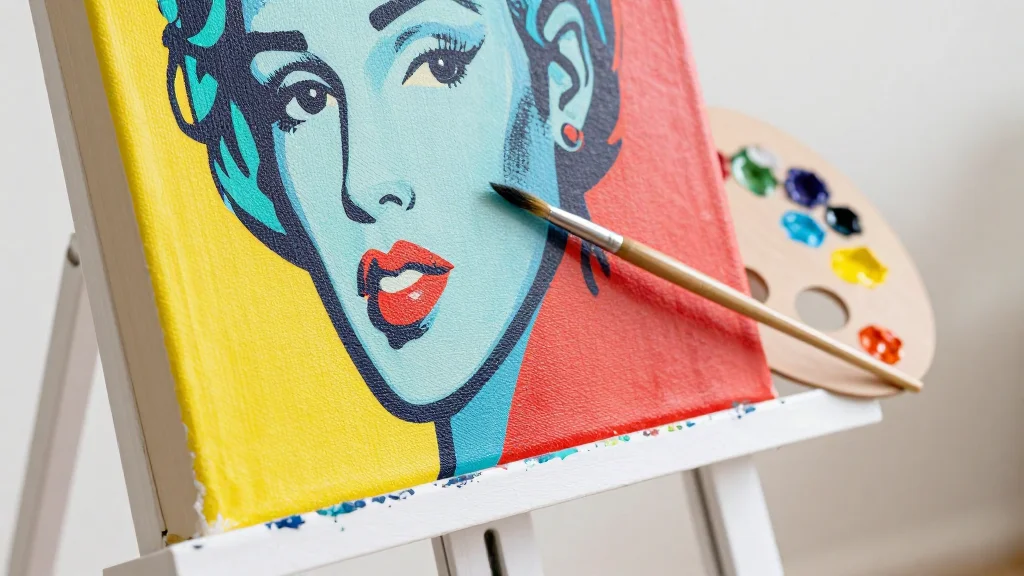
- •Works blend Pop Art references with layered, sanded paint technique
- •Themes explore love, hope, defiance through satirical visual language
- •Artist maintains anonymity to focus on art over celebrity
Pulse Analysis
James McQueen’s new solo show, A Beautiful Waste of Time, continues his long‑standing practice of turning mid‑century paperback designs into large‑scale paintings. By borrowing the bold typography and colour blocks of mass‑market fiction, he situates his work within the Pop Art tradition inaugurated by Andy Warhol and Roy Lichtenstein, while simultaneously interrogating the disposable nature of contemporary culture. Opening on 2 March at Halcyon in Mayfair, the free‑entry exhibition arrives at a moment when the art market is increasingly rewarding reinterpretations of everyday objects, positioning McQueen as a bridge between nostalgia and critique.
McQueen’s canvases are built through a labor‑intensive process: layers of pigment are applied, allowed to dry, then sanded back to reveal a weathered skin that mimics the scuffed spines of second‑hand books. This tactile abrasion is often sealed with lacquer, intensifying colour while preserving the evidence of handling. The visual vocabulary is further enriched by subtle nods to Keith Haring, Yayoi Kusama and Banksy, not as direct quotations but as absorbed codes that coexist with pulp aesthetics. The result is a satirical yet sincere commentary on how text, design and memory intersect on the gallery wall.
The exhibition’s anonymity‑driven narrative—McQueen has worked under a pseudonym since 2017—adds a layer of intrigue that resonates with collectors seeking authenticity beyond celebrity branding. By foregrounding the materiality of printed media, the show taps into a broader cultural shift toward revaluing physical objects in a digital age. Critics anticipate that the blend of humor, social critique and high‑art references will boost secondary‑market demand for McQueen’s works, while galleries may look to similar pop‑culture reinterpretations as a reliable revenue stream. Ultimately, A Beautiful Waste of Time underscores how recontextualized design can generate fresh market relevance.
James McQueen: A Beautiful Waste of Time
Comments
Want to join the conversation?