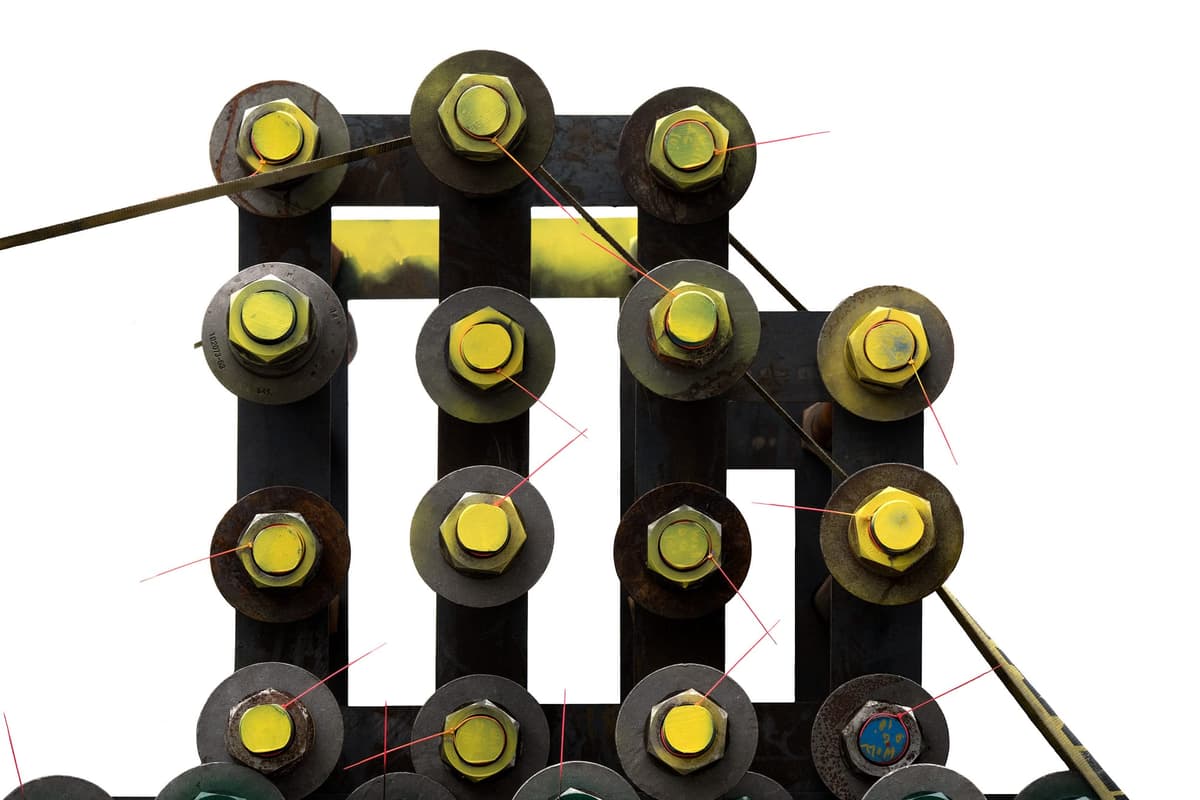
Jan Staller Photographs the Nuts and Bolts of Manhattan's Urban Symphony
Companies Mentioned
Why It Matters
Staller’s focus on the raw materials of skyscrapers reframes everyday construction as high art, influencing contemporary photography and urban visual culture. The book also underscores the growing market for niche art books that document city‑building processes.
Key Takeaways
- •Manhattan Project showcases steel, rebar, and cranes as photographic subjects
- •Staller shifts from nightscapes to stark, high‑contrast construction details
- •Neil deGrasse Tyson writes foreword, linking science and urban growth
- •Images turn utilitarian objects into minimalist line‑drawings against white sky
- •Book released by 5 Continents Editions, available worldwide in print and digital
Pulse Analysis
Jan Staller’s *Manhattan Project* arrives at a moment when the visual language of city building is in high demand. After five decades of chronicling New York’s neon‑lit streets and industrial backdrops, Staller abandons his moody night photography for a crisp, almost forensic aesthetic. By isolating beams, rebar, and crane components against an overcast sky, he transforms functional hardware into sculptural subjects, echoing the minimalist traditions of artists like Ellsworth Kelly and Richard Serra. This shift not only showcases his technical mastery—leveraging limited dynamic range to emphasize form—but also invites viewers to reconsider the beauty hidden in urban construction.
The book’s curatorial essay, bolstered by Neil deGrasse Tyson’s foreword, positions the series at the intersection of art, engineering, and science. Tyson’s commentary frames the relentless construction of Manhattan as a cosmic experiment, while art writer Brett Littman draws parallels to 20th‑century American realism and contemporary installation art. Staller’s “rebar drawings” echo architectural drafting, turning steel lattices into two‑dimensional line work that feels both technical and poetic. This dialogue with art history elevates the photographs beyond documentary evidence, granting them a place in museum collections and academic discourse on urbanism.
From a market perspective, *Manhattan Project* taps into a niche yet lucrative segment of limited‑edition photography books. Collectors and institutions are increasingly seeking works that document the physical processes shaping megacities, and Staller’s reputation guarantees strong demand. The partnership with 5 Continents Editions ensures global distribution, while digital formats broaden accessibility for younger audiences and design professionals. As cities continue to evolve, Staller’s stark visual archive will likely serve as a reference point for future generations studying the aesthetics of infrastructure and the cultural narrative of urban growth.
Jan Staller Photographs the Nuts and Bolts of Manhattan's Urban Symphony
Comments
Want to join the conversation?
Loading comments...