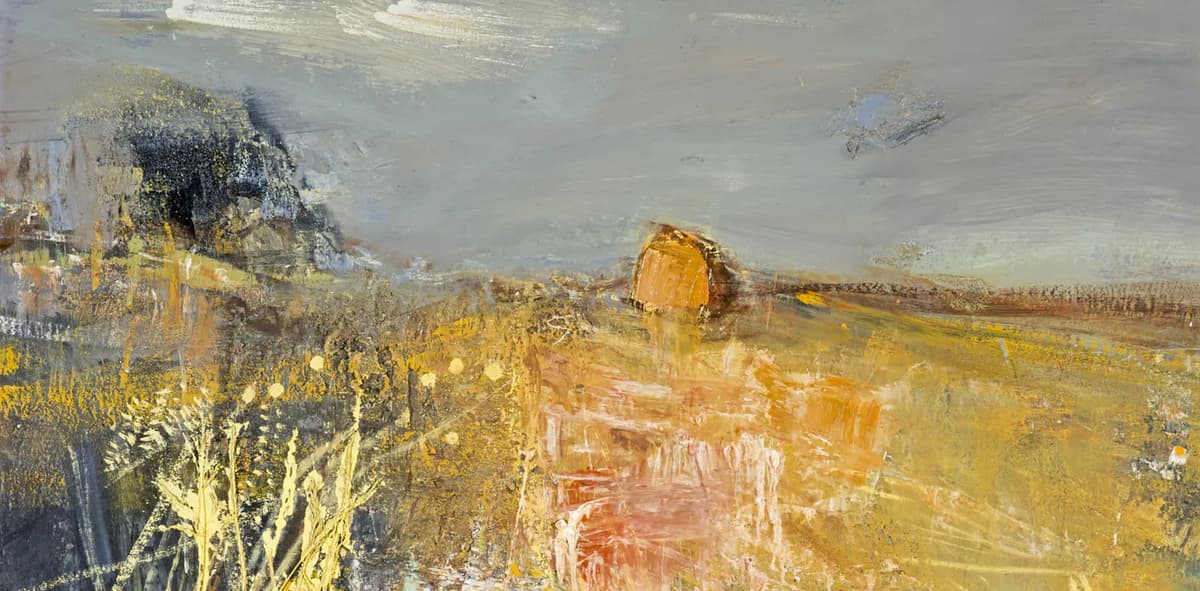
Joan Eardley: ‘She Would Set up Her Canvas on the Shore and Paint in the Lashing Wind and Rain Like a Woman Possessed’
Why It Matters
Eardley’s renewed visibility repositions her as a pivotal voice in Scottish cultural heritage and informs contemporary dialogues on place‑based art. The exhibition also reinforces Edinburgh’s status as a hub for world‑class art retrospectives.
Key Takeaways
- •Exhibition runs at National Galleries Scotland: Modern Two until June 28.
- •Over 30 Eardley works displayed alongside Monet, Chagall, and Moore.
- •Highlights her Glasgow street children and Catterline coastal landscapes.
- •Shows her blend of social realism, post‑impressionism, and abstraction.
- •Eardley elected RSA Academician in 1963, died at age 42.
Pulse Analysis
Joan Eardley’s resurgence at the National Galleries Scotland underscores a broader reassessment of mid‑century British art. While her name once lingered in the shadows of more celebrated contemporaries, the current exhibition places her alongside icons such as Claude Monet and Marc Chagall, inviting visitors to compare her bold colour blocks and raw urban narratives with the lyrical impressionism of her peers. By situating her Glasgow street children next to Chagall’s surreal figures, curators illuminate how Eardley navigated the tension between representation and abstraction, a hallmark of post‑war artistic experimentation.
Beyond the canvas, the show offers a rich archival context—sketches, photographs, and personal items that trace Eardley’s peripatetic life from wartime Glasgow to the storm‑swept cliffs of Catterline. Her willingness to paint in lashing wind and rain, as described in contemporary accounts, reflects a commitment to capturing place with visceral immediacy. This dedication resonates with today’s artists who seek authenticity through immersive, site‑specific practice, reinforcing Eardley’s relevance to current creative dialogues about community, environment, and the poetics of place.
For the cultural economy, the exhibition bolsters Edinburgh’s reputation as a destination for high‑caliber art events, potentially driving tourism and scholarly interest. It also prompts institutions to revisit overlooked talent, encouraging a more inclusive canon that acknowledges women artists who shaped 20th‑century painting. As galleries worldwide grapple with diversifying their narratives, Eardley’s story offers a compelling case study of how rediscovery can enrich both public appreciation and academic discourse.
Joan Eardley: ‘she would set up her canvas on the shore and paint in the lashing wind and rain like a woman possessed’
Comments
Want to join the conversation?
Loading comments...