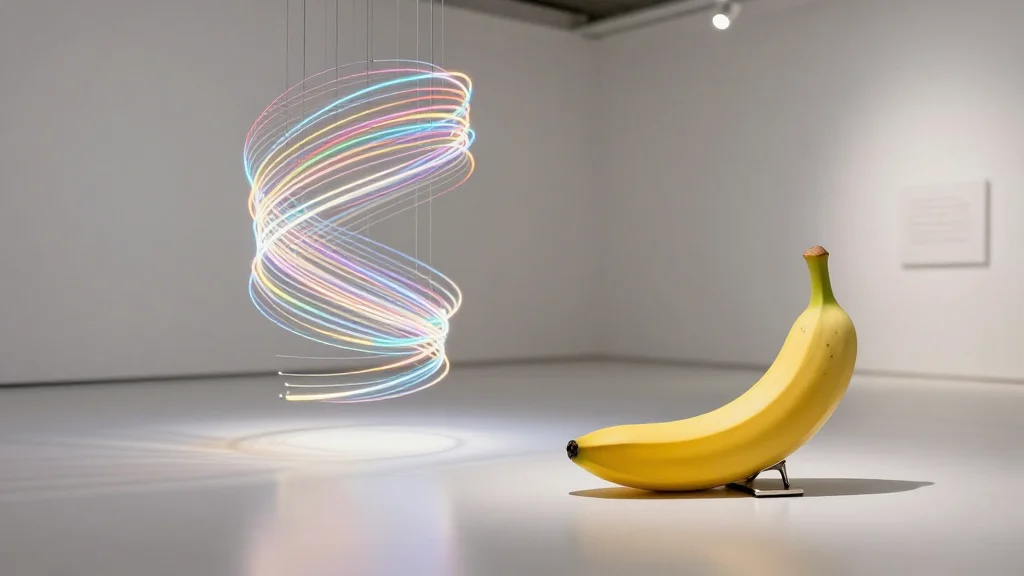
Julio Le Parc Dies, Cattelan’s Banana Stolen From French Museum, and More: Morning Links for June 1, 2026
Why It Matters
Le Parc’s passing marks the loss of a kinetic‑art visionary while the banana theft underscores how conceptual works challenge traditional notions of value and museum security, and the British Museum’s stance highlights ongoing tensions between scholarship and perceived censorship in cultural institutions.
Key Takeaways
- •Julio Le Parc dies at 97; Tate Modern retrospective opens June 11
- •Cattelan’s banana stolen, replaced, legal action filed
- •Banana sold for $6.24 million in 2024, showing high art valuations
- •British Museum says lecture delay is stewardship, not censorship
- •European museums face heightened security and public‑scrutiny
Pulse Analysis
Julio Le Parc’s death closes a chapter on one of the most influential figures in kinetic art, a movement that prefigured today’s immersive installations. His work, built on light, motion and viewer participation, helped shape the language of contemporary art that now dominates social‑media‑driven experiences. The upcoming Tate Modern retrospective, opening just days after his passing, offers scholars and collectors a comprehensive look at his legacy, reinforcing the market’s renewed interest in kinetic pioneers and potentially driving auction demand for related works.
The theft of Maurizio Cattelan’s "Comedian" banana from Centre Pompidou‑Metz reignited debate over the nature of value in conceptual art. Although the fruit itself was perishable, the piece’s $6.24 million price tag—secured by a certificate of authenticity—demonstrates how provenance and idea can outweigh material worth. The museum’s swift replacement and legal complaint signal a growing need for robust security protocols for high‑profile, low‑material artworks, while also highlighting how viral notoriety can amplify both risk and public engagement.
Meanwhile, the British Museum’s decision to postpone a lecture on ancient Israel and Judah, framed as stewardship rather than censorship, reflects the delicate balance institutions must strike between academic freedom and political sensitivities. Coupled with recent security alerts at the British Museum and other European venues, these incidents illustrate a broader trend: cultural institutions are navigating heightened scrutiny, activist pressures, and the imperative to protect both their collections and reputations. Stakeholders—from donors to policymakers—must consider how transparency, risk management, and curatorial independence intersect in an increasingly polarized cultural landscape.
Julio Le Parc Dies, Cattelan’s Banana Stolen from French Museum, and More: Morning Links for June 1, 2026
Comments
Want to join the conversation?
Loading comments...