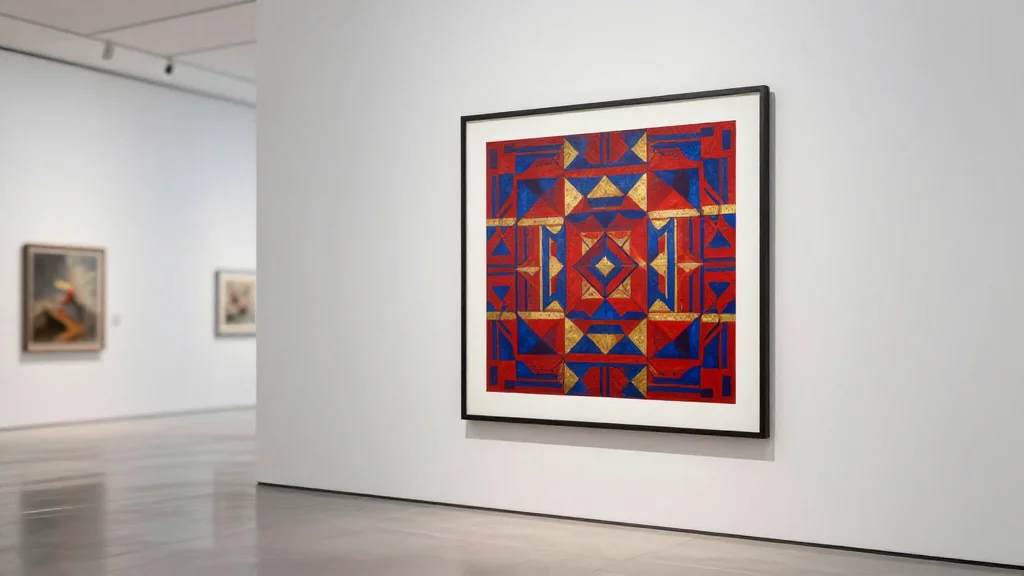
Katara Cultural Village Unveils $0 Exhibition Featuring 170 Works by 29 Artists

Why It Matters
Katara’s large‑scale printmaking exhibition illustrates how Gulf cultural institutions are diversifying beyond blockbuster shows to nurture specialized art forms. By spotlighting hand‑printed techniques, the event expands the market for works that traditionally occupy a niche, encouraging collectors to consider printmaking as a viable investment. Moreover, the exhibition’s blend of regional and international artists reinforces Qatar’s ambition to serve as a cultural bridge, fostering dialogue that could translate into deeper economic ties within the global art market. The initiative also highlights a growing tension between state‑driven cultural patronage and curatorial independence. While generous funding enables ambitious projects, it raises questions about artistic autonomy and market influence. How Qatar balances these forces will shape the credibility and sustainability of its cultural offerings in the years ahead.
Key Takeaways
- •Katara Cultural Village inaugurated a 170‑artwork exhibition on May 6, 2026.
- •The show features 29 artists from Qatar, the Arab world and international locations.
- •Printmaking techniques displayed include relief, intaglio, porous, flatbed and monochrome.
- •Deputy General Manager Saif Saad Al‑Dosari and ambassadors attended the opening.
- •The exhibition runs through May 18, signaling increased Gulf investment in niche art forms.
Pulse Analysis
Katara’s decision to mount a dedicated printmaking exhibition is both a cultural statement and a market maneuver. Historically, Gulf art institutions have gravitated toward high‑visibility, large‑scale installations that attract global media attention. By turning the spotlight on a medium that is labor‑intensive and less commercially saturated, Katara is effectively creating a new demand curve. This aligns with a broader diversification strategy seen across sovereign‑wealth funds, which are increasingly allocating capital to under‑explored asset classes to mitigate risk.
From a curatorial perspective, the exhibition’s inclusive roster—spanning multiple generations and geographies—offers a template for future programming that balances local relevance with international appeal. The presence of senior officials such as Dr. Khalid bin Thani Al Thani underscores the political weight behind the cultural agenda, suggesting that similar initiatives may receive sustained funding. However, the reliance on state patronage could also invite scrutiny regarding artistic freedom, especially if future shows are expected to align with soft‑power objectives.
Looking ahead, the exhibition’s performance metrics—visitor counts, sales, and critical reception—will inform whether printmaking can become a recurring pillar of Qatar’s cultural calendar. If successful, other Gulf cities may emulate the model, potentially spawning a regional network of print‑focused venues. Such a network could reshape collecting habits, encouraging galleries and private collectors to broaden their portfolios and, in turn, stimulate a more resilient, diversified art market across the Middle East.
Katara Cultural Village Unveils $0 Exhibition Featuring 170 Works by 29 Artists
Comments
Want to join the conversation?
Loading comments...