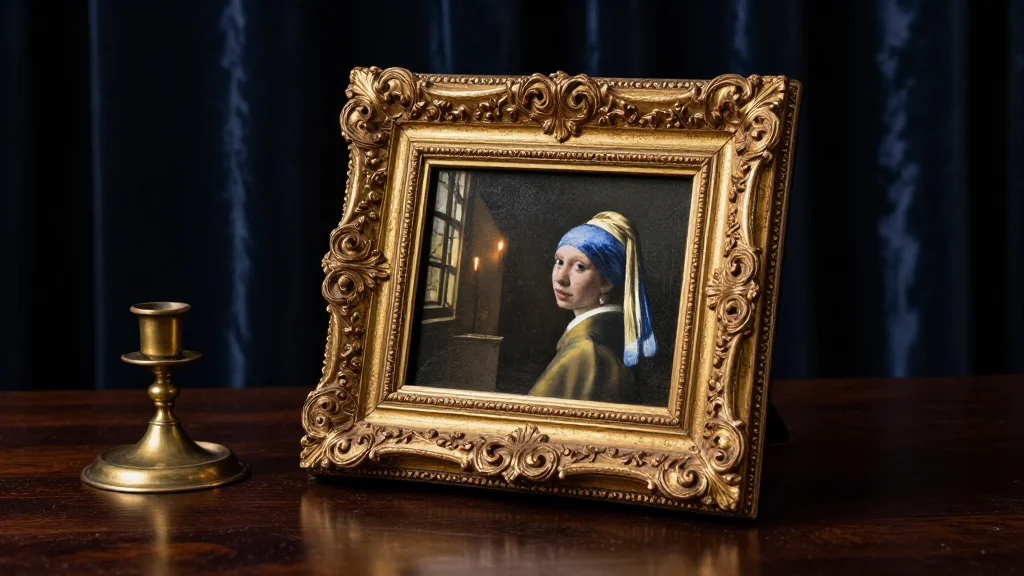
Keep It in the Family: How Johannes Vermeer’s Paintings Remained Out of View for so Long
Why It Matters
The family’s exclusive patronage and secrecy delayed Vermeer’s recognition, reshaping the narrative of Dutch Golden Age art and influencing modern provenance research.
Key Takeaways
- •Van Ruijven family owned ~20 of Vermeer’s works
- •Collection stayed intact until Jacob Dissius’ death 1695
- •Vermeer painted primarily for one patron family for 13 years
- •Private ownership hid Vermeer, delaying his fame until 19th century
- •Estate split in 1684 transferred six paintings to Abraham Dissius
Pulse Analysis
The relationship between Vermeer and the Van Ruijven household was unusually intimate for a 17th‑century Dutch master. Beginning around 1657, the young artist produced the majority of his known canvases for Maria de Knuijt and her husband, a patronage that effectively made their Delft home a private gallery. This concentration of works in a single family not only provided Vermeer with steady commissions but also insulated his paintings from the broader market, limiting exposure to contemporaries and collectors alike.
When Magdalena Pieters van Ruijven died, the inventory taken by a notary in 1683 documented an unprecedented collection: twenty Vermeers alongside twenty‑one other pieces, all housed under one roof. The subsequent legal split in 1684, which briefly transferred six paintings to Jacob Dissius’s father, Abraham, did little to fragment the assemblage. Jacob’s careful stewardship ensured the works remained together until his death in 1695, after which the collection entered the open market for the first time. This delayed dispersal meant that for decades Vermeer’s art was virtually invisible to scholars, critics, and the buying public.
The eventual emergence of Vermeer’s paintings in the 19th century reshaped art historical discourse, highlighting how provenance can dictate an artist’s legacy. The Van Ruijven case underscores the importance of tracking private collections, as hidden troves can alter market valuations and scholarly understanding when they finally surface. Modern institutions now prioritize transparent ownership histories to avoid repeating the centuries‑long obscurity that once shrouded one of the Dutch Golden Age’s most celebrated painters.
Keep it in the family: how Johannes Vermeer’s paintings remained out of view for so long
Comments
Want to join the conversation?
Loading comments...