Key Takeaways
- •Research raised known California lynchings from 50 to over 350
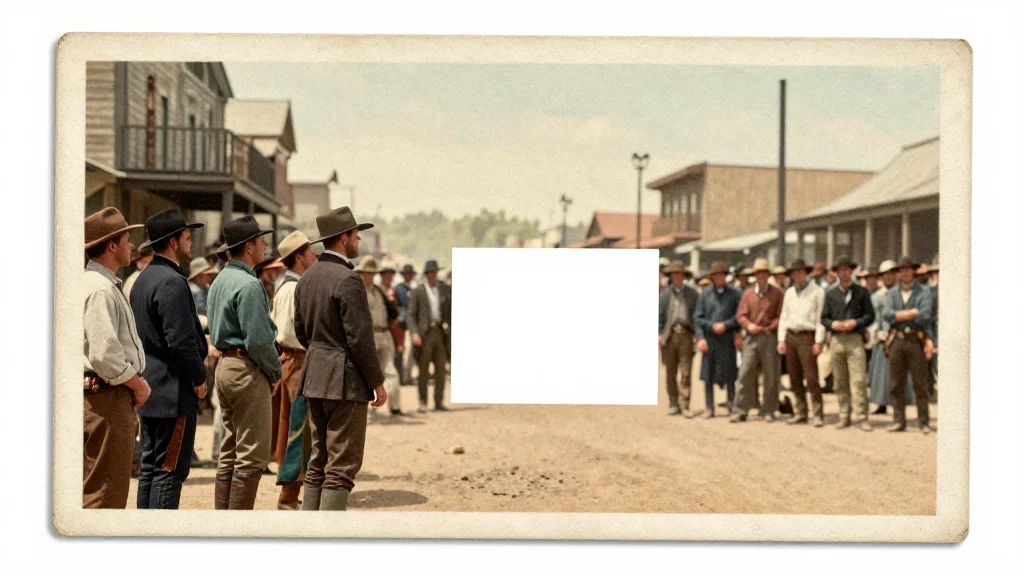
- •Series digitally erases victims, forcing focus on perpetrators' crowd
- •Latinx victims represent roughly 10% of all U.S. lynching cases
- •Combines conceptual art with scholarship to broaden racial terror discourse
Pulse Analysis
Lynching in the United States has long been framed as a Black‑centered tragedy, rendering Latinx, Asian and Native American victims nearly invisible. Ken Gonzales‑Day addressed this gap with his 2006 book *Lynching in the West: 1850‑1935* and the “Erased Lynching” series. Through microfilm, court records and historic postcards, he expanded documented California lynchings from about 50 to over 350 and identified more than 500 Latinx cases nationwide—roughly ten percent of all lynchings. The findings compel historians to broaden the geographic and ethnic scope of racial terror.
The series’ visual strategy is equally provocative. Gonzales‑Day digitally removes the victim’s body and the rope from original lynching postcards, presenting the images as near‑life‑size readymades that foreground the surrounding crowd. This deliberate erasure shifts the gaze from graphic violence to the white spectators whose collective presence enabled the murders, echoing critical theories of photographic violence advanced by Barthes and Sontag. By emphasizing lighting, posture and the often‑gleeful expressions of onlookers, the work interrogates how visual culture can normalize brutality and invites viewers to confront the social mechanisms of racism rather than the spectacle of death.
Since its first exhibition in 2005, the “Erased Lynching” series has become a reference point for museums, educators and policymakers seeking to address historical omission. The expanded data set has been cited in recent scholarly publications and has spurred institutions to incorporate Latinx and other marginalized lynching narratives into exhibitions and curricula. In an era of heightened debate over monuments and systemic racism, Gonzales‑Day’s blend of rigorous research and conceptual art offers a template for how creative practice can amplify underrepresented histories and catalyze institutional change.
Ken Gonzales-Day
Comments
Want to join the conversation?