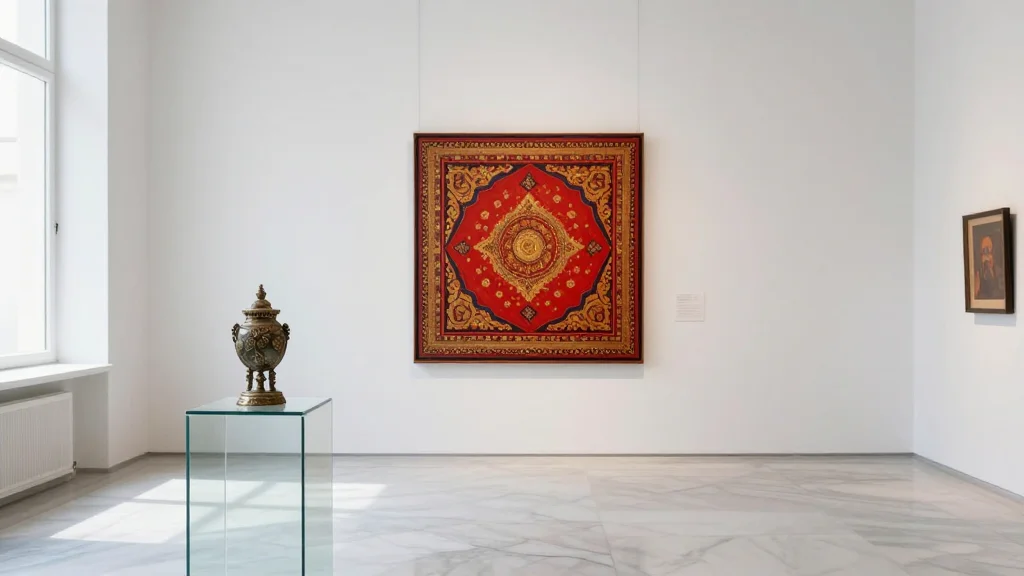
Kiran Nadar Museum Takes Over Christie's London HQ in Landmark South Asian Showcase

Companies Mentioned
Why It Matters
The KNMA‑Christie's partnership redefines how private collections can influence public discourse, especially for regions historically under‑represented in Western institutions. By foregrounding shared South Asian histories, the exhibition challenges nationalist narratives and offers a template for cultural diplomacy through art. Moreover, the initiative underscores the growing financial clout of Indian collectors, who are now able to command prime real estate in global art hubs, thereby reshaping market dynamics and curatorial priorities. The museum’s emphasis on digitisation also has far‑reaching implications for accessibility. Free online archives of seminal South Asian artists democratise scholarship and could pressure other collectors to open their holdings, accelerating a shift toward a more inclusive, data‑driven art ecosystem.
Key Takeaways
- •KNMA occupies Christie's London headquarters for a summer 2026 exhibition.
- •The show features 180 artworks from India, Pakistan and Bangladesh.
- •Founder Kiran Nadar says she will be "more discriminating" in future acquisitions.
- •KNMA plans a 100,000‑sq‑m permanent campus opening in 2028 with Manuel Rabaté as director.
- •The partnership highlights a new model of museum‑auction house collaboration and cultural diplomacy.
Pulse Analysis
KNMA’s London incursion is more than a high‑profile exhibition; it is a strategic entry into the power corridors of the global art market. Historically, Indian collectors have operated primarily within domestic auctions and regional museums. By commandeering Christie's flagship space, KNMA leverages the auction house’s brand equity, visitor flow and media attention, effectively turning a commercial venue into a cultural embassy. This blurring of lines could accelerate a trend where private museums seek temporary residencies in commercial spaces to bypass the lengthy process of building permanent institutions.
From a market perspective, the move may recalibrate demand for South Asian art. Collectors and dealers who previously undervalued works from the subcontinent could now see heightened interest, driving up auction prices and prompting Western institutions to reassess their acquisition strategies. Simultaneously, KNMA’s digitisation push threatens the traditional scarcity model that underpins high‑price sales; open access to archives could democratise scholarship but also dilute the aura of exclusivity that fuels market premiums. The tension between openness and market value will likely shape how other private collectors balance public engagement with financial returns.
Looking ahead, the success of the Christie's partnership will be measured by visitor metrics, media coverage and the museum’s ability to translate cultural capital into tangible funding for its 2028 campus. If the experiment proves profitable, we may see a cascade of similar collaborations—private museums occupying auction houses, galleries, or even corporate lobbies—redefining the geography of art exhibition and the economics of cultural influence.
Kiran Nadar Museum Takes Over Christie's London HQ in Landmark South Asian Showcase
Comments
Want to join the conversation?
Loading comments...