Korea's National Museum Partners with San Francisco Asian Art Museum

Companies Mentioned
Why It Matters
The partnership elevates Korean cultural heritage beyond regional museums, giving it a prominent platform in a major U.S. city known for its diverse art landscape. It also demonstrates how diplomatic ties—here, the 50‑year sister‑city relationship—can translate into concrete cultural programs that benefit scholars, artists and the public. Beyond the immediate exhibition schedule, the MOU creates a template for future museum-to-museum agreements that prioritize shared research, staff mobility and joint storytelling. As museums worldwide grapple with funding pressures and the need for relevance, such collaborations offer a sustainable model for expanding audiences while preserving artistic legacies.
Key Takeaways
- •National Museum of Korea and San Francisco Asian Art Museum signed an MOU on April 24, 2026
- •Agreement includes joint exhibitions, research, publications and staff exchanges
- •AAM’s Korean gallery holds ~1,000 works spanning Three Kingdoms to Joseon era
- •Lee So‑young, AAM director, previously curated at Harvard and the Met
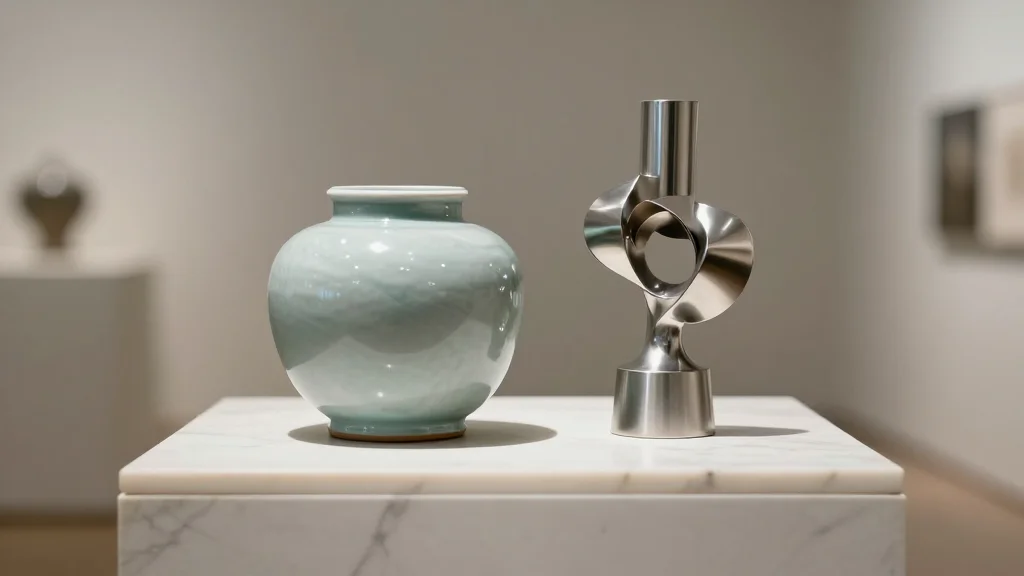
- •First co‑curated exhibition slated for early 2027, focusing on Goryeo celadon
Pulse Analysis
The NMK‑AAM memorandum arrives at a crossroads where museums are redefining their value propositions. Traditional exhibition‑only models are giving way to partnership‑driven ecosystems that pool expertise, share costs and amplify narratives across borders. By aligning a premier Korean institution with a West‑coast museum that already boasts a dedicated Korean wing, both parties mitigate the risk of cultural isolation and tap into each other's donor bases.
Historically, Korean art has struggled for consistent visibility in North America, often relegated to niche shows. This deal leverages San Francisco’s status as a gateway city for Asian diaspora communities, turning a geographic advantage into a strategic asset. The inclusion of staff exchanges is particularly noteworthy; it not only builds professional capacity but also fosters a generation of curators fluent in both Korean and Western museum practices, a skill set that will be in demand as global audiences become more interconnected.
Looking forward, the success of this partnership could catalyze a ripple effect, encouraging other Asian institutions—such as the National Palace Museum in Taiwan or the Shanghai Museum—to pursue similar transpacific agreements. The model demonstrates that cultural diplomacy can be operationalized through concrete, revenue‑generating programs rather than symbolic gestures alone. If the inaugural exhibition draws strong attendance and critical acclaim, it will validate the MOU’s premise and likely accelerate funding from both public and private sectors, cementing a new era of collaborative museum work.
Korea's National Museum Partners with San Francisco Asian Art Museum
Comments
Want to join the conversation?
Loading comments...