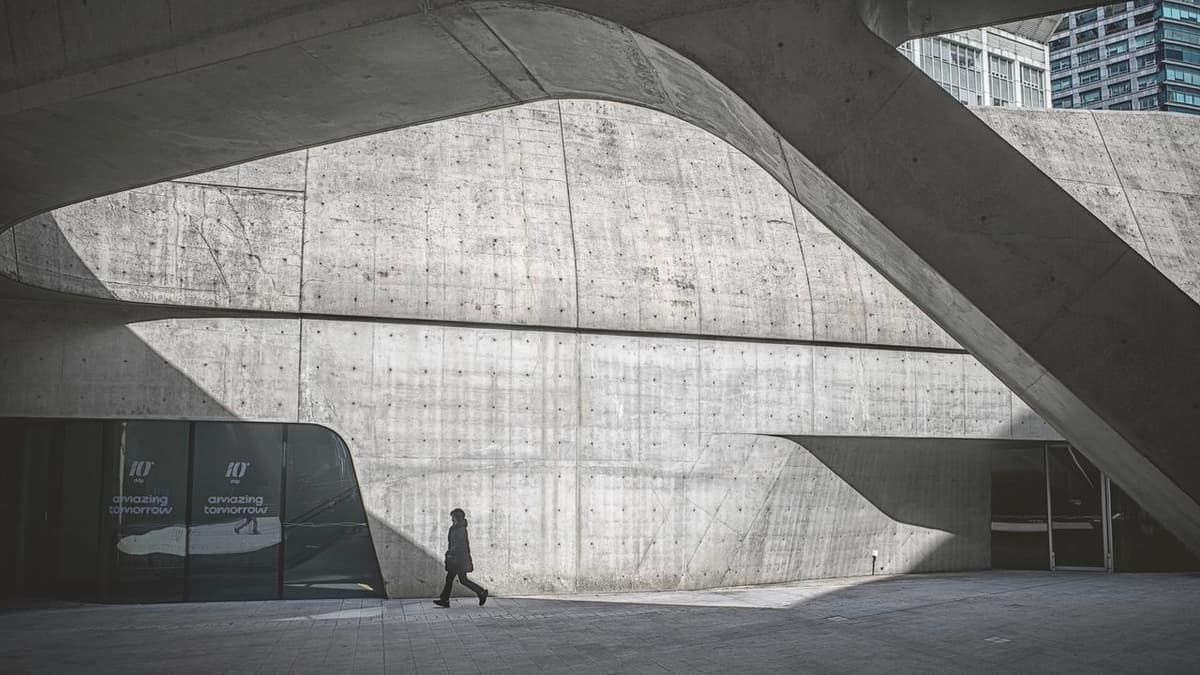
Korea’s Striking Brutalist Buildings Are Captured in a New Visual Volume
Why It Matters
The book elevates Korean brutalist architecture, encouraging preservation and attracting global interest in a style often overlooked outside the West. It provides scholars, designers, and investors a visual reference for adaptive reuse and heritage tourism.
Key Takeaways
- •220 images cover 90 Korean brutalist sites
- •Book showcases works in Seoul, Busan, Jeju, Paju
- •Brutalism emerged from 1960s‑70s post‑war rebuilding
- •Korean architects fused global modernism with regional sensibility
- •Volume serves as preservation record for endangered structures
Pulse Analysis
The renewed fascination with brutalist architecture extends beyond nostalgia, offering a lens into how societies rebuild after conflict. In South Korea, the concrete forms that dominate the skyline were born out of the urgent need to replace war‑torn infrastructure during the 1960s and 1970s. These structures embody a blend of functionalism and national ambition, reflecting rapid industrialisation and a desire for permanence. By cataloguing more than 90 sites, the new volume positions Korean brutalism as a distinct chapter in modernist history, countering the perception that the style is solely a Western phenomenon.
Tulett’s approach combines high‑resolution photography with concise commentary, turning each building into a visual case study. The inclusion of works by architects such as Kim Swoo‑geun, Lee Jong‑sup, and contemporary figures like Seung H‑Sang demonstrates the evolution of design language from state‑driven projects to private cultural venues. By juxtaposing iconic landmarks—Zaha Hadid’s Dongdaemun Design Plaza and Tadao Ando’s Jeju Glass House—with lesser‑known public housing blocks, the book highlights both aesthetic ambition and social function. This comprehensive documentation provides scholars, developers, and preservationists with a reference point for assessing the condition and cultural value of at‑risk brutalist sites.
The publication arrives at a critical moment as many brutalist structures face demolition or neglect worldwide. By raising public awareness, the volume can stimulate heritage tourism, especially among architecture enthusiasts seeking authentic Korean experiences beyond the typical palace tours. Moreover, the visual archive may influence contemporary designers who reinterpret concrete aesthetics for sustainable, modular construction. Real estate developers could leverage the renewed interest to repurpose these buildings, balancing preservation with profitable adaptive reuse. Ultimately, the book not only records a pivotal era but also provides a catalyst for policy discussions on protecting Korea’s modernist legacy.
Korea’s striking brutalist buildings are captured in a new visual volume
Comments
Want to join the conversation?
Loading comments...