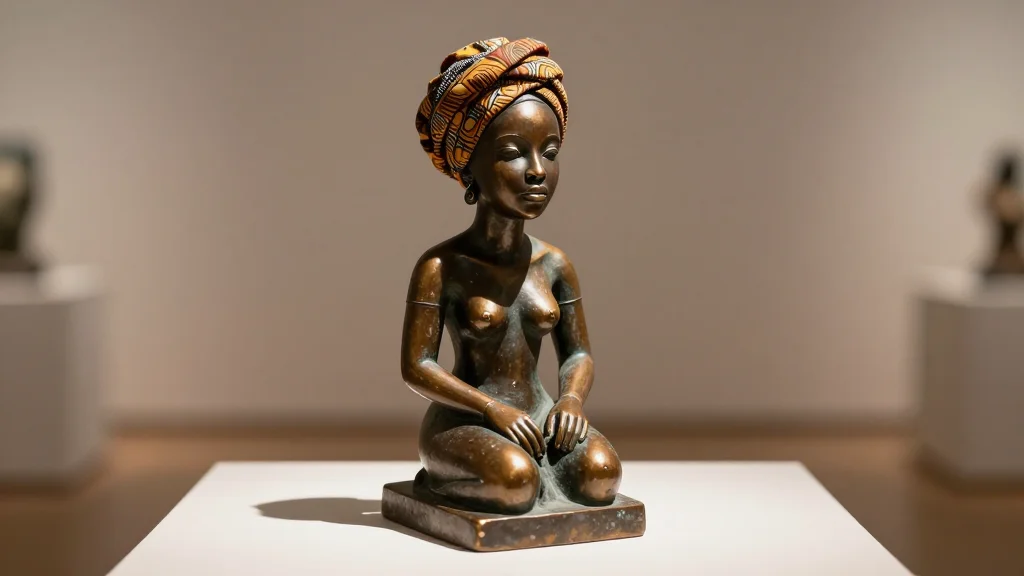
LABASIKATI Exhibition Opens May 9, Showcasing African Women’s Resistance at Mbombela Art Gallery

Why It Matters
LABASIKATI underscores the growing demand for exhibitions that center marginalized voices within the African art ecosystem. By spotlighting both historic figures and emerging creators, the show bridges generational gaps and redefines the canon of African art to include women’s contributions more fully. The exhibition also demonstrates how multisensory formats can deepen audience engagement, making complex histories of resistance more accessible. Beyond the gallery walls, the project may influence funding bodies and cultural policymakers to allocate resources toward gender‑focused programming. As more institutions adopt similar models, the visibility of African women artists could translate into greater market presence, academic research, and international collaborations.
Key Takeaways
- •LABASIKATI opens May 9, 2026 at Mbombela Art Gallery
- •Curated by Samkela Stamper, directed by Nontokozo Phiri
- •Features lighting, photography, film, sound, printmaking, sculpture, performance and music
- •Pays tribute to pioneering South African women artists and global icons
- •Aims to create exhibition space for emerging female artists who have never shown in a gallery
Pulse Analysis
The launch of LABASIKATI reflects a broader pivot in African cultural institutions toward narrative‑driven, immersive experiences that serve both artistic and sociopolitical aims. Historically, major South African galleries have been critiqued for underrepresenting women, especially those from rural backgrounds. Stamper’s decision to anchor the show in Mpumalanga—a region often sidelined in national art discourses—signals a deliberate decentralization of curatorial authority.
From a market perspective, the exhibition could catalyze a revaluation of works by the featured emerging artists. Collectors increasingly seek provenance tied to socially engaged projects, and the multisensory format offers a compelling story that can be leveraged in future sales or museum acquisitions. Moreover, the inclusion of textile and fashion design elements aligns with a growing collector interest in applied arts, potentially expanding the commercial pathways for participating creators.
Looking ahead, the success of LABASIKATI may encourage other regional galleries to adopt similar models, fostering a network of women‑centric exhibition spaces across the continent. If the exhibition’s documentation is circulated widely, it could also serve as a template for digital collaborations, allowing the narratives it presents to reach audiences beyond South Africa’s borders. The ultimate test will be whether the momentum generated translates into sustained institutional support for female artists, rather than a one‑off showcase.
LABASIKATI Exhibition Opens May 9, Showcasing African Women’s Resistance at Mbombela Art Gallery
Comments
Want to join the conversation?
Loading comments...