LACMA Opens $720 Million David Geffen Galleries, Adding 110,000 Sq Ft of Space

Why It Matters
The David Geffen Galleries transform LACMA from a regional repository into a world‑class institution capable of hosting large‑scale, cross‑disciplinary exhibitions. By expanding physical capacity and forging international partnerships, the museum can attract blockbuster shows, increase tourism revenue, and elevate Los Angeles’ standing on the global cultural map. The project also demonstrates a new model for museum financing, where private philanthropy, corporate sponsorship, and municipal ownership converge to fund ambitious infrastructure. Beyond economics, the galleries reshape how audiences experience art history. By juxtaposing prehistoric fossils with contemporary works, LACMA invites visitors to consider humanity’s long creative trajectory, fostering a deeper appreciation for cultural continuity. This narrative approach could influence other institutions to adopt more holistic, time‑spanning curatorial strategies.
Key Takeaways
- •LACMA opened the $720 million David Geffen Galleries, adding 110,000 sq ft of exhibition space.
- •The project was funded by a $150 million pledge from David Geffen and contributions from Elaine Wynn, Steve Tisch, Genesis, and Qatar Museums.
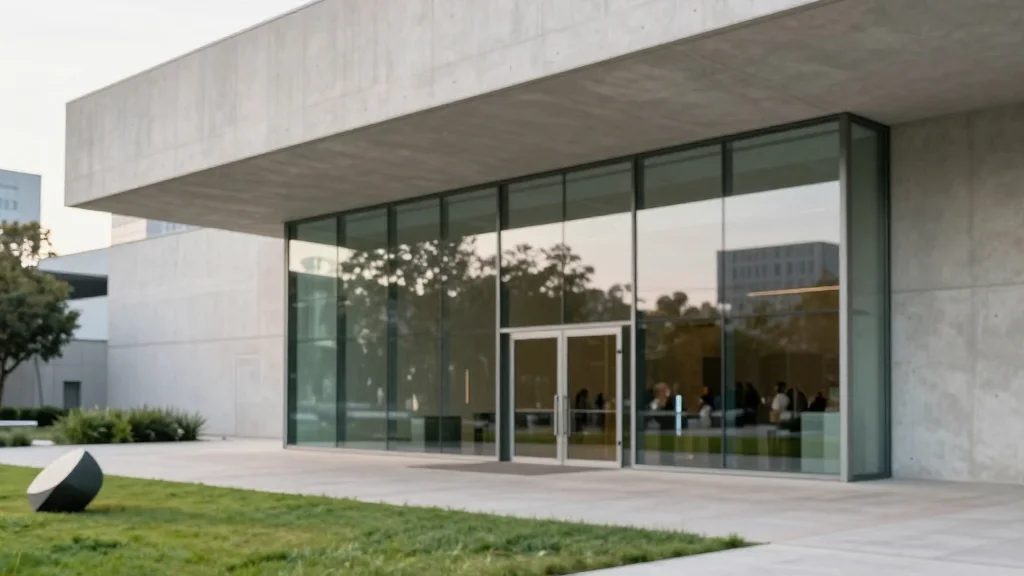
- •Designed by Peter Zumthor, the concrete structure curves over Wilshire Boulevard and offers views of the La Brea Tar Pits.
- •The expansion includes a 3.5‑acre public park, outdoor installations, and new dining venues.
- •LACMA aims to position Los Angeles as a global art nexus, boosting visitor numbers and supporting smaller museums.
Pulse Analysis
LACMA’s David Geffen Galleries represent a watershed moment for museum development in the United States, where capital projects of this scale are rare outside of New York and Washington, D.C. The $720 million price tag, while staggering, reflects a strategic gamble: leveraging Los Angeles’ growing cultural clout to attract global audiences and high‑value loans. Historically, museum expansions have been driven by donor ego or civic pride; here, the blend of private philanthropy and international corporate partners signals a more diversified funding ecosystem that could become a template for other mid‑size institutions.
The architectural choice—massive concrete walls paired with floor‑to‑ceiling glass—embodies a paradoxical blend of permanence and transparency. Concrete, as Govan notes, is “a millennia‑old” material, grounding the galleries in a timeless aesthetic, while the glass façade physically connects the museum to the city’s bustling streets and the ancient tar pits beyond. This dialogue between the built environment and the natural landscape mirrors a broader curatorial trend toward interdisciplinary narratives that dissolve the boundaries between art, science, and history.
Looking forward, the success of the David Geffen Galleries will be measured not just by attendance figures but by their ability to catalyze a ripple effect across Southern California’s cultural economy. If the expansion drives higher visitor spend and inspires similar capital campaigns at smaller venues, Los Angeles could solidify its reputation as a world‑class arts capital, rivaling traditional powerhouses. Conversely, the project's long‑term sustainability will hinge on continued donor engagement, effective programming, and the museum’s capacity to translate its expanded physical footprint into compelling, inclusive experiences for a diverse public.
LACMA Opens $720 Million David Geffen Galleries, Adding 110,000 sq ft of Space
Comments
Want to join the conversation?
Loading comments...