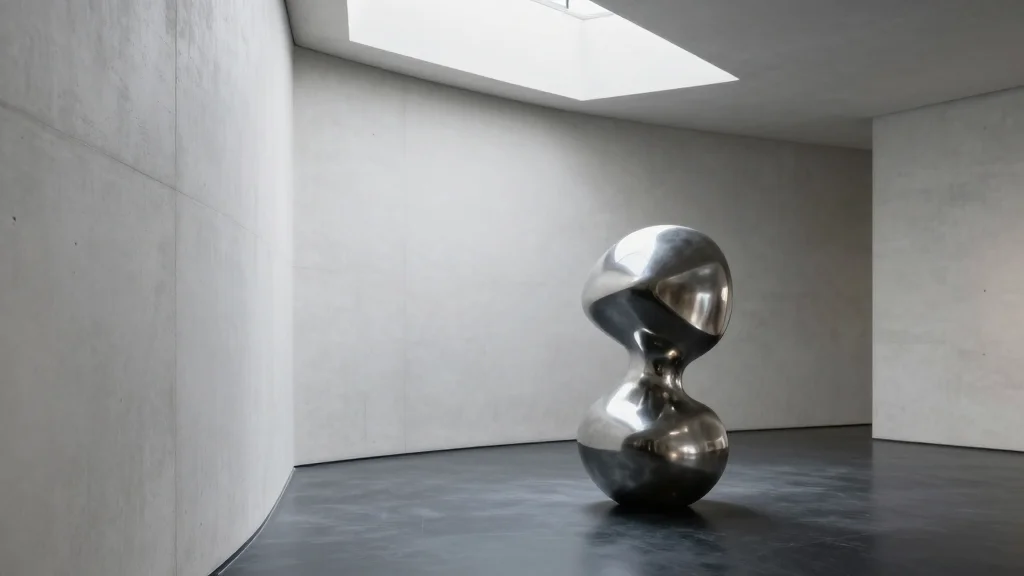
LACMA Opens $724 Million David Geffen Galleries, Redefining Museum Display

Why It Matters
The David Geffen Galleries represent a watershed moment for U.S. museums, illustrating how architectural innovation can be leveraged to challenge entrenched curatorial hierarchies. By foregrounding a non‑linear, egalitarian display model, LACMA may inspire other institutions to reconsider how space influences narrative authority. Moreover, the project highlights the growing power of mega‑donors in shaping museum infrastructure, prompting a broader debate about the balance between philanthropic generosity and curatorial autonomy. If the galleries succeed in attracting diverse audiences and fostering cross‑cultural dialogue, they could set a precedent for future museum expansions that prioritize visitor experience over traditional art historical ordering. Conversely, if the minimalist design proves too austere or the donor‑driven model limits curatorial freedom, other institutions may tread more cautiously in pursuing similar large‑scale, donor‑named projects.
Key Takeaways
- •LACMA opened the David Geffen Galleries after a six‑year, $724 million construction effort
- •Designed by Peter Zumthor, the concrete structure features floor‑to‑ceiling windows overlooking Los Angeles streets
- •The 26 interconnected galleries eliminate traditional hierarchies, placing all artworks on a single plane
- •Michael Govan, LACMA’s CEO, emphasized a non‑hierarchical, discovery‑focused visitor experience
- •The project underscores the influence of major donors, with the galleries named after philanthropist David Geffen
Pulse Analysis
LACMA’s new galleries arrive at a time when museums are grappling with declining foot traffic and the need to justify costly capital projects. By investing $724 million in a space that deliberately eschews hierarchical display, LACMA is betting on experiential differentiation as a driver of attendance. The design’s emphasis on fluid movement mirrors trends in retail and digital interfaces, where users expect seamless navigation and personalized discovery. If visitors respond positively, the model could catalyze a wave of ‘open‑plan’ museums that prioritize visitor agency over curatorial control.
From a financial perspective, the reliance on a single high‑profile donor reflects a broader shift toward private philanthropy filling gaps left by shrinking public arts funding. While this influx of capital enables ambitious architecture, it also risks aligning institutional priorities with donor branding. LACMA’s challenge will be to maintain curatorial integrity while leveraging Geffen’s name to attract further gifts and sponsorships. Transparent programming and diverse exhibition calendars will be essential to demonstrate that the galleries serve the public good rather than a donor’s legacy.
Looking ahead, the success of the David Geffen Galleries will likely be measured by metrics beyond attendance—such as the diversity of artists featured, the depth of community engagement, and the museum’s ability to host interdisciplinary projects that blend art with technology or social practice. Should LACMA achieve these outcomes, it could redefine the role of museum architecture as an active participant in cultural discourse, rather than a passive backdrop.
LACMA Opens $724 Million David Geffen Galleries, Redefining Museum Display
Comments
Want to join the conversation?
Loading comments...