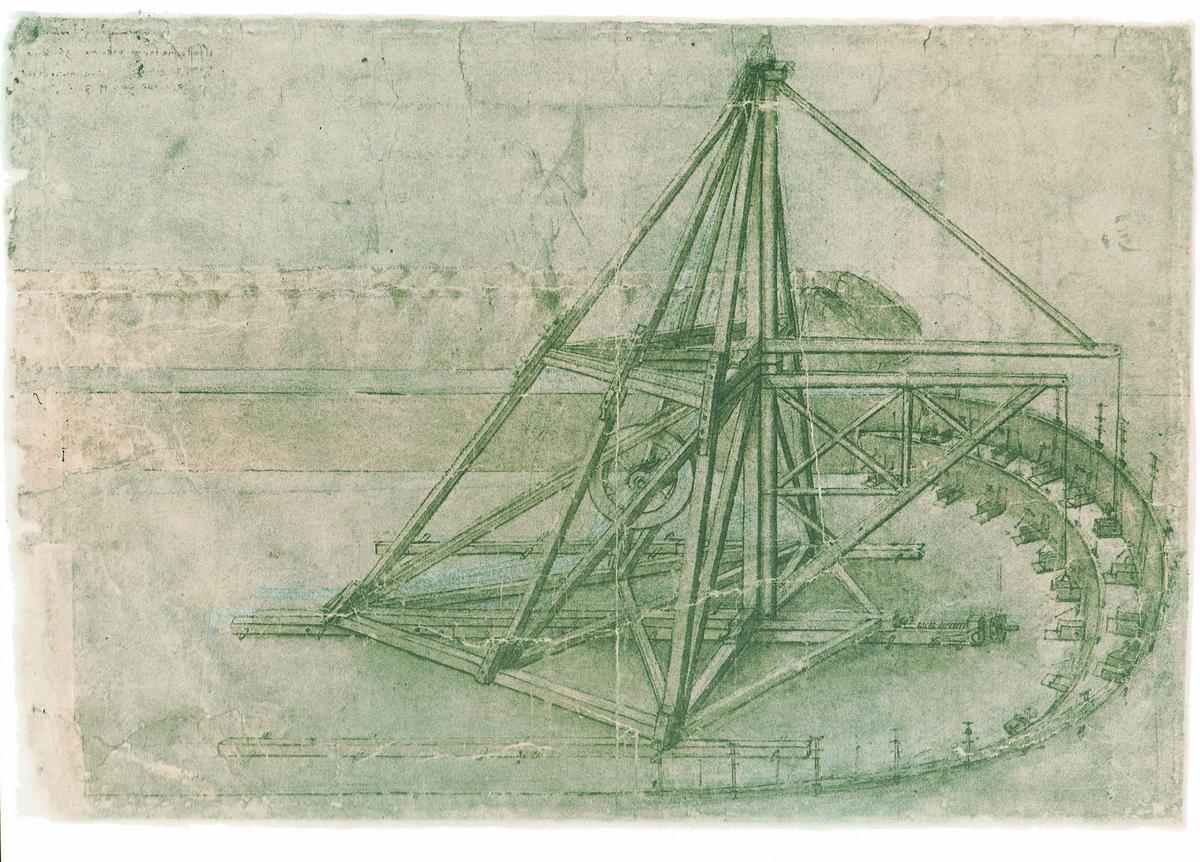
Leonardo’s ‘Codex Atlanticus’ Is Complete for the First Time in 400 Years
Why It Matters
The restoration gives researchers unprecedented access to Leonardo’s full scientific and artistic thought, potentially reshaping Renaissance scholarship, while the museum‑driven digital model challenges commercial control of cultural heritage.
Key Takeaways
- •550 pages removed by Pompeo Leoni rejoined via Leonardotheka 2.0
- •Codex Atlanticus now totals 1,669 pages, the most complete version ever
- •Digital tool matches watermarks and materials to reconstruct missing folios
- •Scholars can filter content by technique, subject, and provenance instantly
- •Project sets precedent for museum‑led digital stewardship over commercial platforms
Pulse Analysis
The Codex Atlanticus, Leonardo da Vinci’s largest surviving notebook, has long been fragmented by a 16th‑century editorial decision that split artistic sketches from technical studies. After passing through the hands of his pupil Francesco Melzi, the Italian sculptor Pompeo Leoni excised roughly 550 folios, scattering them between Milan’s Veneranda Biblioteca Ambrosiana and the Royal Collection in London. By reunifying these pages, Leonardotheka 2.0 not only restores the physical narrative of Leonardo’s interdisciplinary genius but also corrects a historical breach of the Renaissance principle that art and science are inseparable.
Leonardotheka’s digital engine leverages high‑resolution imaging, watermark detection, and material‑matching algorithms to authenticate and virtually stitch the missing sheets back into the manuscript. The tool’s metadata layers let scholars filter by drawing technique, scientific subject, or provenance, turning a centuries‑old codex into an interactive research database. Early users have already identified new connections, such as a horse sketch linked to Leonardo’s design for the unbuilt Francesco Sforza monument, illustrating how digital reconstruction can surface insights that were previously hidden in physical archives.
Beyond the immediate scholarly gains, the project signals a shift in how cultural institutions manage digital heritage. Roberto Ferrari’s emphasis on retaining intellectual ownership counters the trend of outsourcing digitization to commercial platforms, ensuring that access remains open and that revenue does not eclipse preservation. As museums worldwide grapple with the balance between public access and monetization, Leonardotheka offers a replicable blueprint for museum‑led, non‑profit digital stewardship that safeguards priceless artifacts for future generations.
Leonardo’s ‘Codex Atlanticus’ Is Complete for the First Time in 400 Years
Comments
Want to join the conversation?
Loading comments...