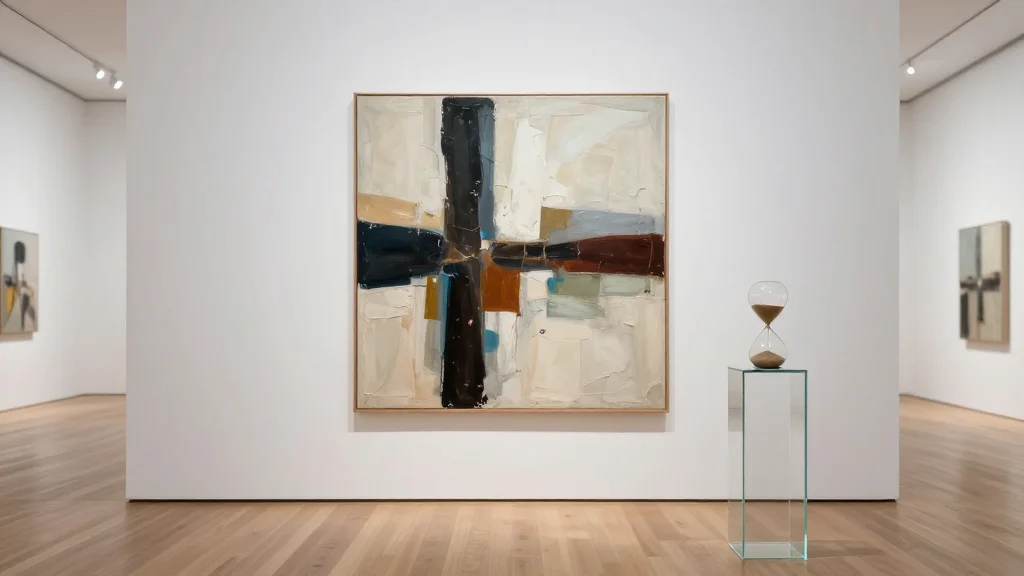
Lévy Gorvy Dayan Launches LGD Hammer Platform for $10‑15M De Kooning Sale

Companies Mentioned
Why It Matters
LGD Hammer signals a potential inflection point in how high‑value art is transacted. By blending the tactile, contextual experience of a gallery with the time‑bound pressure of an auction, the platform could bridge the gap between private sales—often criticized for opacity—and public auctions, which can feel rushed. If successful, it may encourage more galleries to adopt similar hybrid models, reshaping buyer expectations around speed, transparency, and the role of technology in the art market. The initiative also reflects broader shifts in collector behavior. After a period of speculative buying, collectors are now seeking deeper engagement with works before committing large sums. LGD Hammer’s appointment‑only viewings and live‑online bidding address this demand, potentially setting a new standard for high‑end sales that balances urgency with informed decision‑making.
Key Takeaways
- •Lévy Gorvy Dayan launches LGD Hammer, a hybrid gallery‑auction platform.
- •First sale features Willem de Kooning’s Milkmaid (1984) with a $10‑15 million estimate.
- •Sale scheduled for May 16; viewing by appointment from May 2‑16 at the Upper East Side gallery.
- •Brett Gorvy emphasizes the platform is a development, not a new market paradigm.
- •The model aims to combine gallery context with auction‑style urgency amid a slowing private‑sale market.
Pulse Analysis
LGD Hammer arrives at a moment when the high‑end art market is searching for equilibrium between speed and substance. The pandemic accelerated digital sales and forced collectors to act quickly, but the subsequent market correction has re‑introduced caution. By offering a single, high‑profile work in a controlled environment, Lévy Gorvy Dayan is testing whether the psychological pressure of an auction can be recreated without sacrificing the due‑diligence period buyers now expect.
Historically, galleries have shied away from overt auction mechanics, fearing they might alienate their client base. However, the success of niche platforms like Fair Warning shows there is appetite for curated, one‑lot sales. LGD Hammer differentiates itself by leveraging the pedigree of its founders—Dominique Lévy’s Christie’s background and Brett Gorvy’s auction‑house experience—to lend credibility and procedural rigor. If the inaugural de Kooning sale achieves a price at the high end of its estimate, it could validate the model and prompt other leading galleries to experiment with similar formats.
Looking ahead, the platform’s scalability will be the key test. Repeating the model across multiple works and price points will reveal whether the hybrid approach can sustain liquidity without eroding the exclusivity that high‑net‑worth collectors value. Moreover, the anonymity of bidders and live‑online component could set new standards for transparency, potentially influencing how auction houses disclose results and how private dealers negotiate deals. In a market where trust and speed are increasingly intertwined, LGD Hammer may become a blueprint for the next generation of art transactions.
Lévy Gorvy Dayan Launches LGD Hammer Platform for $10‑15M De Kooning Sale
Comments
Want to join the conversation?
Loading comments...