Key Takeaways
- •Shen converts heartbeats, sleep data, and dream text into VR environments
- •Uses AI diffusion and TouchDesigner for real‑time, responsive installations
- •Explores “soft architecture” where data becomes mutable, sensory space
- •Raises questions about privacy when intimate signals become shared visual media
Pulse Analysis
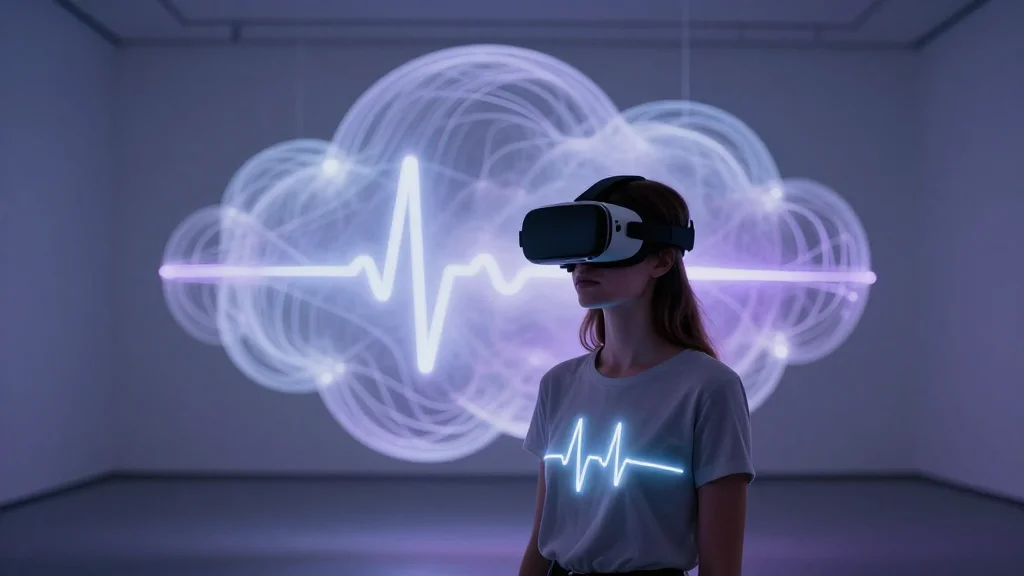
The convergence of biometric monitoring and immersive media is reshaping contemporary art, and Lili Shen stands at the forefront of this shift. Trained in interaction design, Shen harvests raw physiological inputs—pulse, sleep cycles, even fragments of dream narration—and translates them into three‑dimensional, VR‑compatible spaces. Unlike traditional data visualizations that reduce the body to charts, her installations let viewers inhabit the rhythm of a heartbeat or the fleeting texture of a dream. This approach not only expands the vocabulary of digital art but also foregrounds the emotional resonance hidden in everyday sensor streams.
Technically, Shen’s work relies on AI‑driven diffusion models, TouchDesigner, and custom sensor rigs that feed live data into generative pipelines. In Noosphere II: Collective Veil, heartbeats modulate visual density while sleep rhythms dictate ambient motion, creating a mutable ‘soft architecture’ that breathes with the audience’s bodies. The installations reject the sterile aesthetic of dashboards, opting instead for mist‑like forms that dissolve and re‑form, emphasizing vulnerability over control. By making intimate biometric signals visible, the pieces surface pressing questions about who owns such data and how shared visualizations might amplify or erode personal privacy.
The broader impact of Shen’s practice extends beyond galleries into the realms of design, health tech, and data ethics. As wearable devices generate ever‑more granular personal metrics, creators can look to her ‘soft architecture’ model to craft experiences that honor human feeling rather than merely quantify performance. Meanwhile, policymakers and platform owners are reminded that visualizing private signals can shift public perception of surveillance from abstract to visceral. Shen’s installations thus act as both a prototype for humane AI‑augmented environments and a cautionary lens on the future of collective consciousness.
Lili Shen’s Dream Machines Turn Data Into Feeling
Comments
Want to join the conversation?