Why It Matters
Wendt’s work illustrates how queer aesthetics can intersect with anti‑colonial politics, offering a model for re‑examining suppressed histories in contemporary art discourse. Recognizing this duality reshapes curatorial narratives and informs broader conversations about sexuality, nationalism, and visual representation.
Key Takeaways
- •Wendt encoded homoerotic meaning to evade colonial anti‑homosexual laws.
- •His photography linked queer desire with anti‑colonial nationalism.
- •Exhibition focuses on male nude, overlooking Wendt’s broader political role.
- •*Song of Ceylon* blends rural labor, spirituality, and queer solidarity.
- •Queer visual strategies served as democratic medium for Sri Lankan identity.
Pulse Analysis
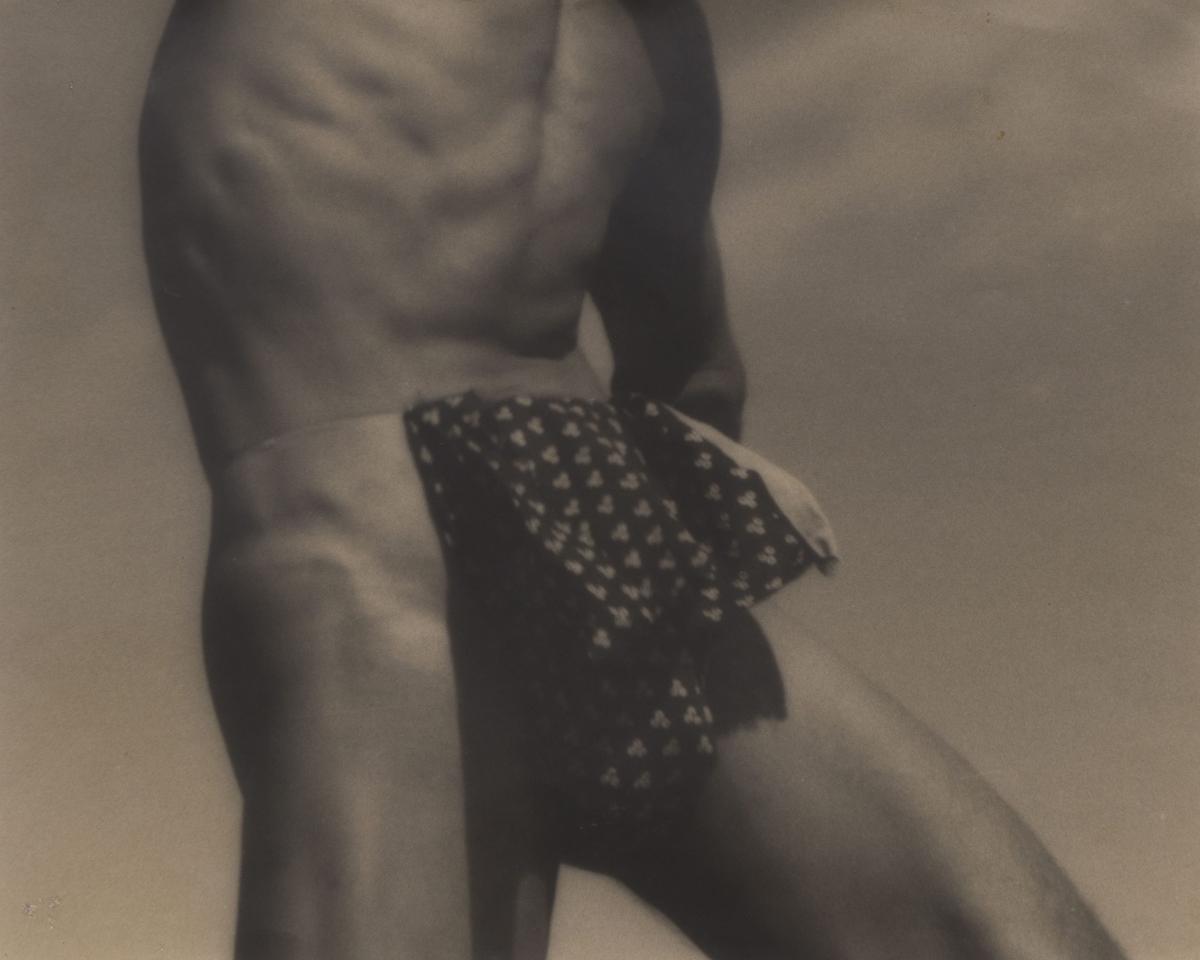
Lionel Wendt, a Sri Lankan photographer active from the 1930s to the 1940s, operated at the intersection of modernist aesthetics and a fraught colonial legal framework. The 1883 British Penal Code criminalised male‑male sexual activity, forcing queer artists to conceal desire behind layers of symbolism. Wendt’s gelatin‑silver prints and his collaboration on the 1934 documentary *Song of Ceylon* employed visual codes—silhouetted hands, abstracted torsos, and staged labor scenes—to embed homoerotic meaning while remaining publicly acceptable. This duality allowed his images to circulate internationally and to contribute to an emerging national visual identity.
The American Art Catalogues show spotlights those coded male nudes, interpreting them primarily as queer confessions. While the curatorial text correctly identifies the subversive gaze, it largely isolates sexuality from the broader anti‑colonial agenda that animated Wendt’s practice. By treating the photographs as private documents of forbidden desire, the exhibition risks reinforcing a narrow genre narrative and obscuring how Wendt’s mixed ancestry, socialist sympathies, and participation in nation‑building projects informed his visual language. A more holistic reading would connect the erotic with his commitment to a democratic, pre‑colonial Sri Lankan ethos.
Understanding Wendt’s work as both queer resistance and political activism reshapes how institutions present colonial‑era art. Curators can use his example to foreground the ways marginalized creators encoded dissent, offering audiences a richer, intersectional history. For scholars and collectors, the exhibition signals a growing appetite for reassessing modernist canons through lenses of sexuality and decolonization. As museums worldwide grapple with representation, Wendt’s photographs serve as a reminder that visual culture can simultaneously challenge oppressive law, articulate communal solidarity, and help forge a post‑colonial national imagination.
Lionel Wendt: The Politics of the Male Nude
Comments
Want to join the conversation?
Loading comments...