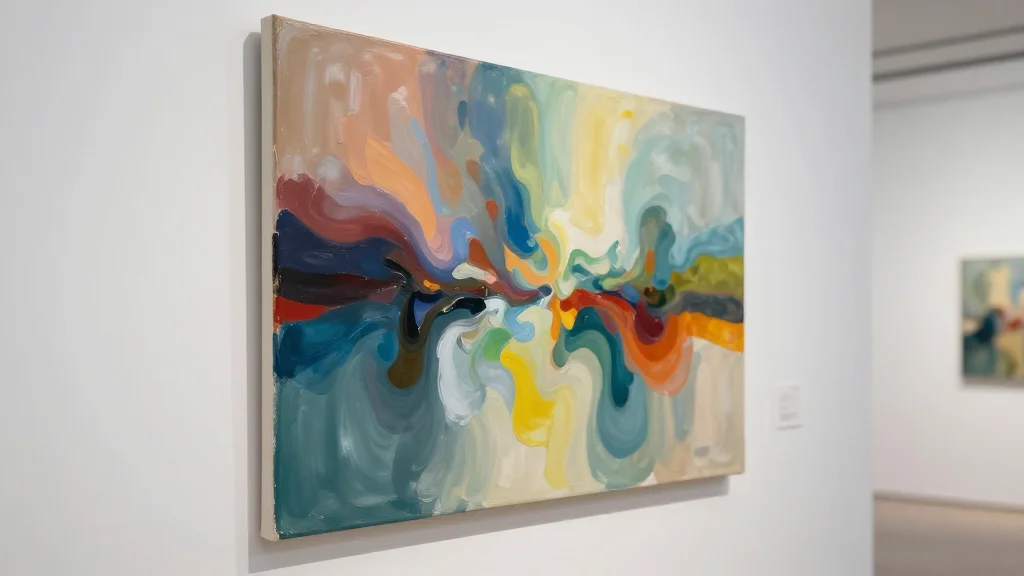
London’s Prokofiev Studio Opens, Showcasing Censored Soviet Abstracts

Why It Matters
The opening of Prokofiev Studio confronts a historical blind spot in Western art narratives by foregrounding a Soviet abstract painter whose work was deliberately erased. By making Oleg Prokofiev’s oeuvre publicly accessible, the project challenges lingering Cold‑War‑era assumptions about the homogeneity of Soviet art and enriches the discourse on artistic freedom under authoritarian regimes. In a city already saturated with legacy institutions, the studio’s interdisciplinary ambition signals a shift toward more collaborative, cross‑medium platforms. If successful, it could inspire similar reclamation projects for other marginalized artists, reshaping how museums and galleries address cultural suppression and restitution.
Key Takeaways
- •Prokofiev Studio opened in Hackney, London, showcasing Oleg Prokofiev’s censored 1950s abstracts
- •Inaugural exhibition "Bending Time" includes paintings, sketches, letters and sculptures previously thought lost
- •Founded by Oleg’s children, led by composer Gabriel Prokofiev, in partnership with curator Anzhela Popova
- •Venue features an immersive reconstruction of Oleg’s 1990s Hackney studio
- •Studio aims to become an interdisciplinary hub with upcoming workshops and artist residencies
Pulse Analysis
Prokofiev Studio’s debut arrives at a moment when the art market is increasingly attentive to provenance and the politics of display. The reclamation of Oleg Prokofiev’s work not only adds a rare Soviet abstract voice to the Western canon but also taps into a growing collector appetite for narratives of cultural resistance. By positioning the archive within a purpose‑built, publicly accessible space, the Prokofiev family sidesteps the traditional museum gatekeeping that often delays the integration of politically sensitive works.
Historically, Soviet abstraction has been underrepresented in major institutions, partly due to lingering ideological biases and the scarcity of surviving pieces. The discovery that Oleg’s entire body survived intact, coupled with the family’s proactive approach, creates a unique market moment: auction houses and private collectors may now vie for related works, driving up valuations and prompting other heirs to investigate hidden archives. Moreover, the studio’s interdisciplinary model—blending visual art, music, and literary events—mirrors a broader trend toward experiential programming that attracts younger, digitally native audiences.
Looking ahead, the studio’s success will hinge on its ability to sustain relevance beyond the opening exhibition. If the planned residencies and community events generate critical buzz, Prokofiev Studio could become a template for artist‑led institutions that marry legacy preservation with contemporary cultural production. This could, in turn, pressure larger institutions to re‑examine their own collections for overlooked Soviet-era artists, potentially reshaping the global narrative of 20th‑century abstraction.
London’s Prokofiev Studio Opens, Showcasing Censored Soviet Abstracts
Comments
Want to join the conversation?
Loading comments...