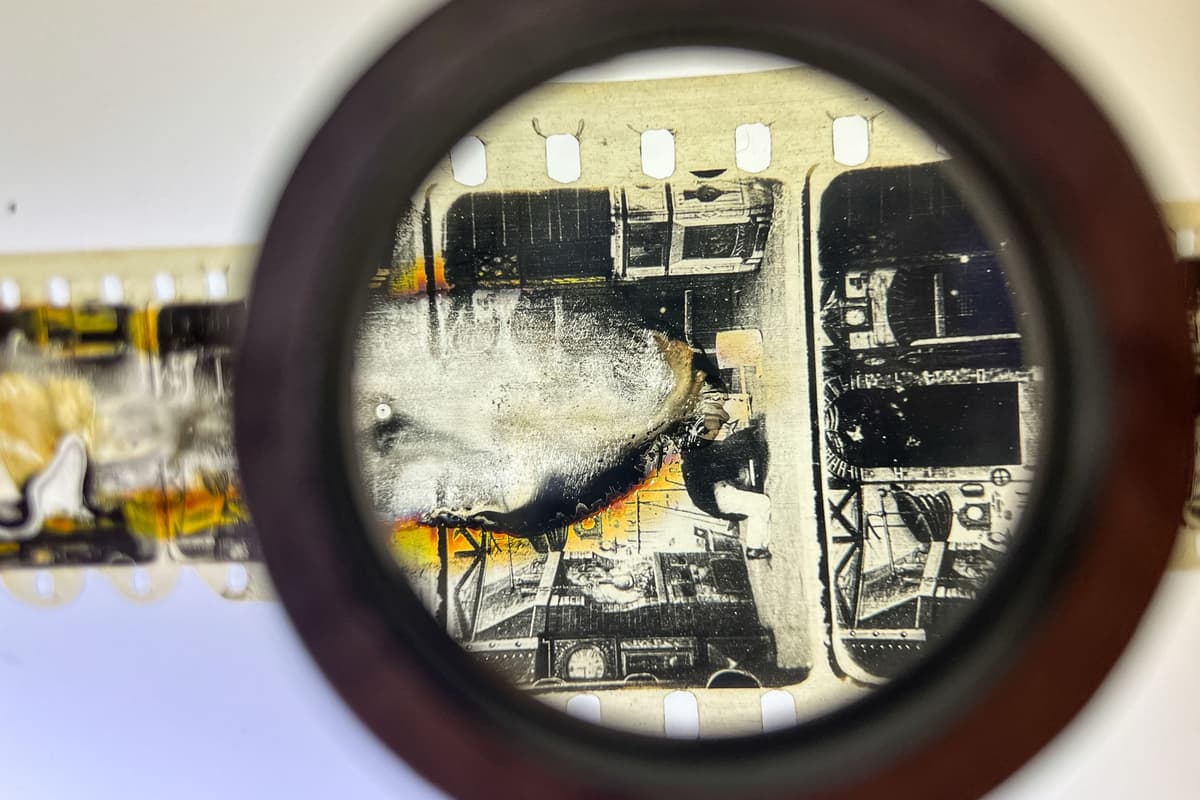
Lost-Lost Film by French Cinema Pioneer Turns Up in Michigan
Why It Matters
The film broadens the known oeuvre of cinema pioneer Georges Méliès and provides the earliest visual depiction of robotics, enriching scholarly understanding of early special effects and cultural attitudes toward automation. Its preservation highlights the critical role of archival institutions in safeguarding fragile nitrate media for future generations.
Key Takeaways
- •Lost 1897 Méliès reel identified as first moving robot image.
- •Discovery made after donor drove 700 miles to Library of Congress.
- •Film digitized, now publicly viewable via the National Audio‑Visual Conservation Center.
- •Adds to roughly 300 surviving Méliès titles, enriching early cinema scholarship.
- •Includes additional Méliès and early Edison fragments, highlighting nitrate preservation challenges.
Pulse Analysis
Georges Méliès, a magician‑turned‑filmmaker, reshaped the visual language of cinema at the turn of the 20th century. His inventive use of double exposure, stop‑motion, and elaborate set design laid the groundwork for modern special effects. Yet, because most of his work was recorded on highly flammable nitrate stock, many titles vanished during World War I or succumbed to decay. The occasional rediscovery of a lost reel, therefore, offers a rare window into the experimental spirit that defined early filmmaking and informs contemporary creators about the origins of visual storytelling.
The Grand Rapids find illustrates how serendipity and diligent stewardship can rescue cultural artifacts from oblivion. Bill McFarland’s 700‑mile journey to the Library of Congress culminated in the identification of "Gugusse and the Automaton," a 45‑second tableau that features the first moving image of a robot—a mechanical clown that rebels against its creator. By digitizing the fragile nitrate reel, the Library not only prevents further degradation but also democratizes access, allowing scholars, educators, and the public to study Méliès’s early exploration of automation, a theme that resonates with today’s AI discourse. The accompanying Méliès and Edison fragments further enrich the historical tapestry of late‑19th‑century visual media.
Beyond its cinematic value, the discovery underscores the urgency of preserving nitrate collections worldwide. Specialized climate‑controlled vaults, like the National Audio‑Visual Conservation Center, are essential to halt spontaneous combustion and chemical breakdown. As archives digitize more at‑risk reels, they create a resilient digital heritage that can survive physical loss. This momentum encourages museums, private collectors, and governments to invest in preservation infrastructure, ensuring that pioneering works—whether depicting early robots or the birth of narrative film—remain part of the shared cultural record.
Lost-Lost Film by French Cinema Pioneer Turns Up in Michigan
Comments
Want to join the conversation?
Loading comments...