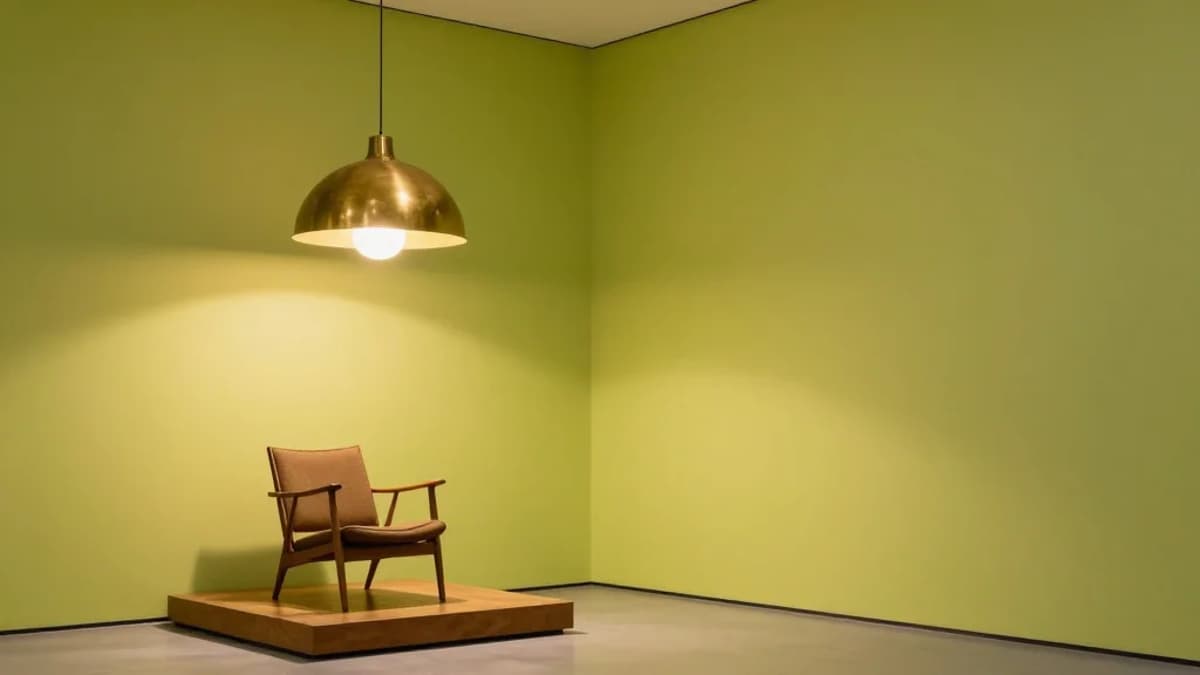
Lost Profile Gallery by Nickolas Gurtler Office – Issue 20 Feature – The Local Project
•March 9, 2026
0
Why It Matters
The project exemplifies how experiential design can elevate a niche brand, turning retail into an immersive cultural experience that drives repeat visits and strengthens market differentiation.
Key Takeaways
- •Warehouse transformed into contemplative gallery.
- •Design inspired by Scarpa and Asimov’s Foundation.
- •Light cycles create dawn, day, dusk narrative.
- •Flexible layout supports evolving collections.
- •Visitors report calming, museum-like experience.
Pulse Analysis
Melbourne’s design landscape is witnessing a shift from pure retail environments toward hybrid spaces that blend exhibition, commerce, and wellbeing. The Lost Profile Gallery illustrates this trend, repurposing an industrial warehouse into a venue where furniture and lighting are treated as sculptural objects. By aligning with the city’s growing appetite for experiential destinations, the project positions Lost Profile Studio alongside cultural institutions, attracting a discerning audience that values narrative and atmosphere as much as product.
The gallery’s conceptual framework borrows heavily from architectural and literary sources. Carlo Scarpa’s Tomba Brion informs the precise geometry, shadow play, and material juxtapositions, while Isaac Asimov’s Foundation inspires a temporal lighting scheme that moves from dawn through day to dusk. This choreography of light not only highlights textures and forms but also creates an emotional rhythm, prompting visitors to linger and reflect, much like standing before a Rothko canvas. Such nuanced design elevates the brand’s storytelling capacity, turning each visit into a curated experience.
From a business perspective, the adaptable layout ensures the space can evolve with new collections, reducing the need for costly remodels. The immersive environment drives repeat foot traffic, as evidenced by patrons returning multiple times, and enhances brand perception by associating Lost Profile with cultural relevance and wellness. This model offers a blueprint for other niche designers seeking to differentiate themselves in a saturated market through thoughtful spatial storytelling and flexible, experience‑driven design.
Lost Profile Gallery by Nickolas Gurtler Office – Issue 20 Feature – The Local Project
0
Comments
Want to join the conversation?
Loading comments...