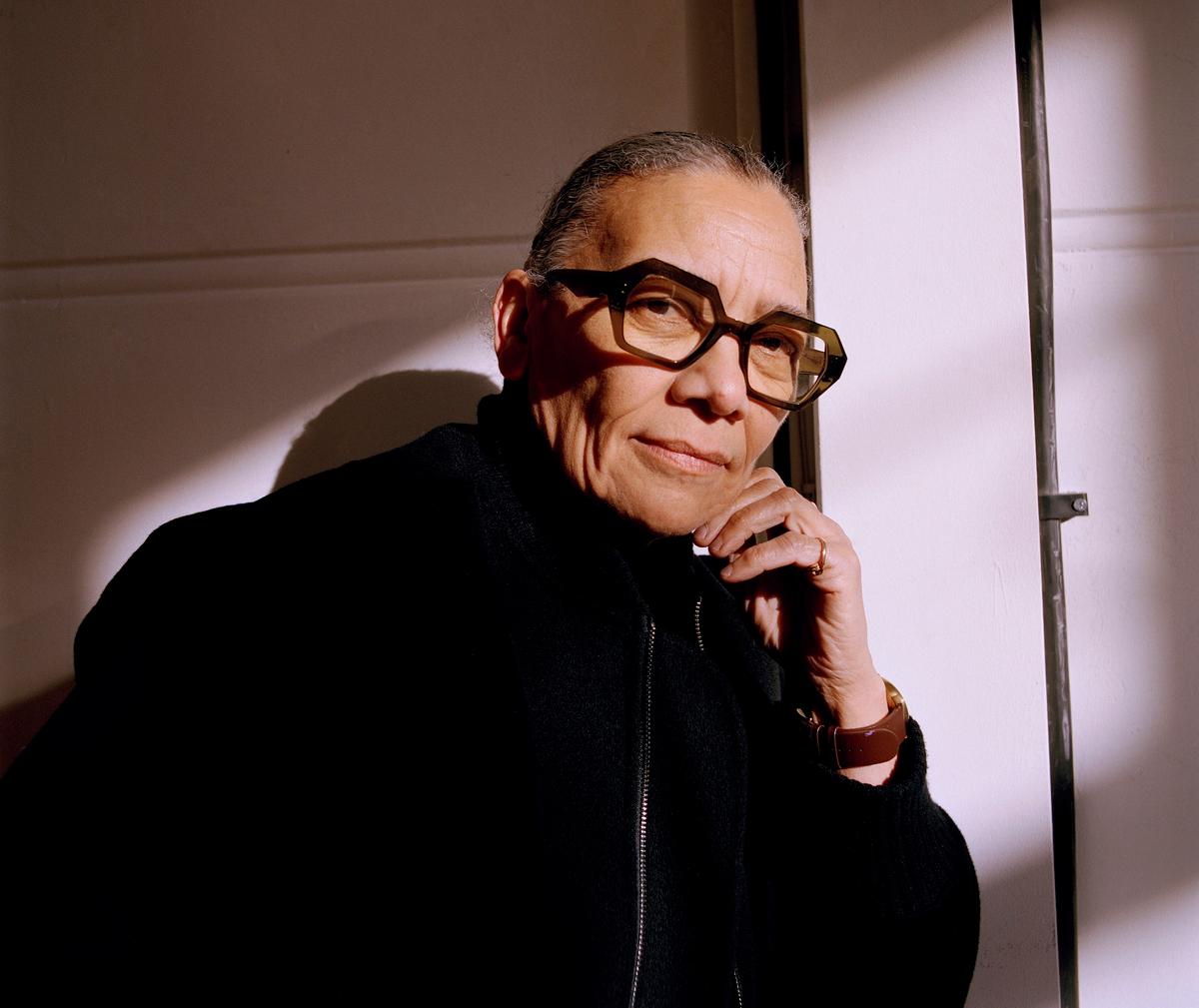
Lubaina Himid on Representing Great Britain at the 61st Venice Biennale
•March 10, 2026
0
Why It Matters
Himid’s British pavilion spotlights how contemporary art can interrogate identity and belonging on a global stage, reinforcing the Biennale’s influence as a cultural barometer. It also signals the importance of national pavilions as arenas for critical dialogue in an era of heightened political tension.
Key Takeaways
- •Himid presents large paintings, found objects, sound installation.
- •Installation explores melancholy, belonging, and deep personal memory.
- •Pavilion serves as platform for free dialogue amid nationalism.
- •Magda Stawarska's sound piece fills the pavilion continuously.
- •Himid cites Hogarth as emblem of British artistic accessibility.
Pulse Analysis
The Venice Biennale remains the premier springboard for artists to engage an international audience, and the 2026 edition continues that legacy with a heightened focus on sociopolitical narratives. Great Britain’s Giardini pavilion, curated by veteran artist Lubaina Himid, leverages her seven‑decade British experience and Zanzibar roots to frame a dialogue on belonging. By pairing expansive canvases with reclaimed objects, Himid creates a tactile landscape that invites viewers to confront personal histories while the ambient composition by Magda Stawarska weaves an aural thread through the space.
Himid’s installation is anchored in the Biennale’s theme, "In Minor Keys," using melancholy as a catalyst for introspection. The multi‑panel works shift from quiet pleasure to increasing unease, mirroring the emotional cadence of the accompanying soundscape. This interplay encourages visitors to overlay their own memories onto the visual and auditory cues, fostering a collective act of remembrance that transcends individual experience. The emphasis on belonging resonates strongly in a post‑Brexit cultural climate, where questions of national identity and diaspora are increasingly foregrounded.
Beyond the exhibition, Himid’s remarks underscore the strategic role of national pavilions amid rising confrontational nationalism. She positions the British pavilion as a crucible for free expression, where artists can challenge prevailing narratives without censorship. By invoking William Hogarth as a historical touchstone, Himid highlights a tradition of accessible, socially engaged British art that continues to evolve. This perspective reinforces the Biennale’s relevance as a barometer of global cultural shifts and affirms the pavilion’s capacity to shape discourse on art, politics, and collective memory.
Lubaina Himid on Representing Great Britain at the 61st Venice Biennale
0
Comments
Want to join the conversation?
Loading comments...