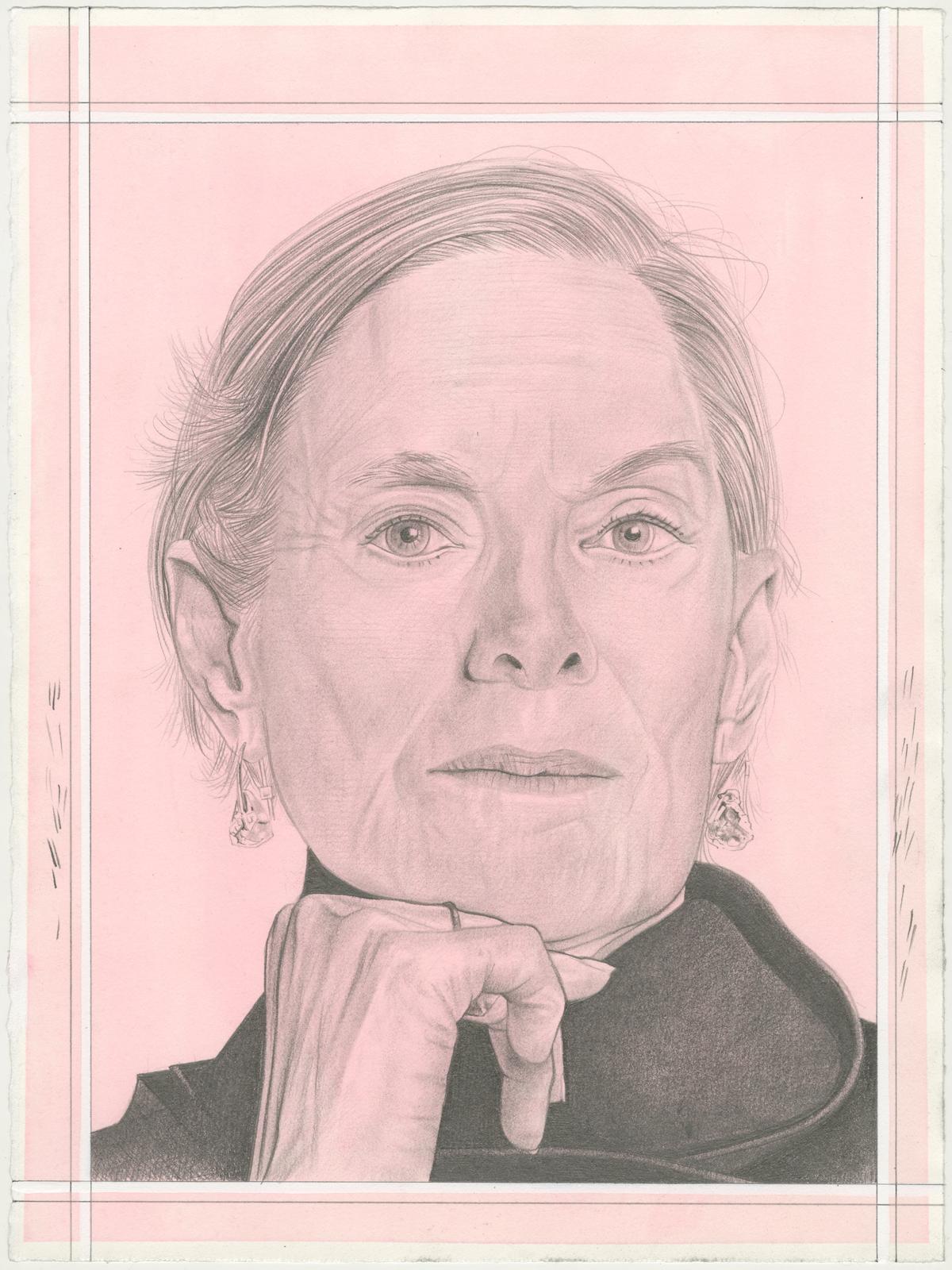
Lucinda Childs On How She Keeps Her Working Pace After More Than 50 Years
Why It Matters
Childs’s new projects underscore the enduring commercial and artistic relevance of minimalist dance, while her long‑term residency model signals a shift toward sustained, interdisciplinary collaborations in the performing‑arts ecosystem.
Key Takeaways
- •Childs presents new works at Bard SummerScape 2026
- •Five‑year residency with Gibney Company begins, reviving *Einstein on the Beach*
- •Collaborations honor late architects Frank Gehry and director Robert Wilson
- •Music remains structural foundation, shaping her minimalist choreography
- •Childs bridges Judson roots with formal, pedestrian movement style
Pulse Analysis
Lucinda Childs remains a cornerstone of contemporary dance, having evolved from the experimental Judson Dance Theater of the 1960s to a distinctive style that blends pedestrian movement with rigorous musical architecture. Her early collaborations with avant‑garde figures like Robert Wilson and Philip Glass helped redefine the relationship between choreography and stage design, establishing a legacy that influences a new generation of choreographers seeking simplicity with depth. By consistently foregrounding the score as the dance’s structural framework, Childs has demonstrated how minimalism can generate profound emotional resonance.
In the summer of 2026, Childs’s artistic agenda intensifies with two flagship events: a curated program at Bard’s SummerScape and a revival at the Watermill Center, both featuring works that honor the late Frank Gehry and Robert Wilson. The Bard presentation incorporates *Geranium ’64*, a new piece set to Philip Glass’s *Distant Figure*, and a tribute segment titled “Field Dances” from *Einstein on the Beach*. Meanwhile, the Watermill residency, part of a five‑year partnership with the Gibney Company, will revisit *Available Light* and integrate live piano by Anton Batagov, highlighting her commitment to interdisciplinary collaboration and live music integration.
Childs’s initiatives illustrate broader industry trends toward long‑term residencies that provide financial stability and creative continuity for dance companies. By anchoring her choreography in music and visual art, she creates marketable, cross‑disciplinary experiences that attract diverse audiences and funding sources. Her model offers a blueprint for institutions aiming to sustain high‑caliber dance work while fostering innovative partnerships, reinforcing the commercial viability of minimalist, music‑driven performance in today’s cultural landscape.
Lucinda Childs On How She Keeps Her Working Pace After More Than 50 Years
Comments
Want to join the conversation?
Loading comments...