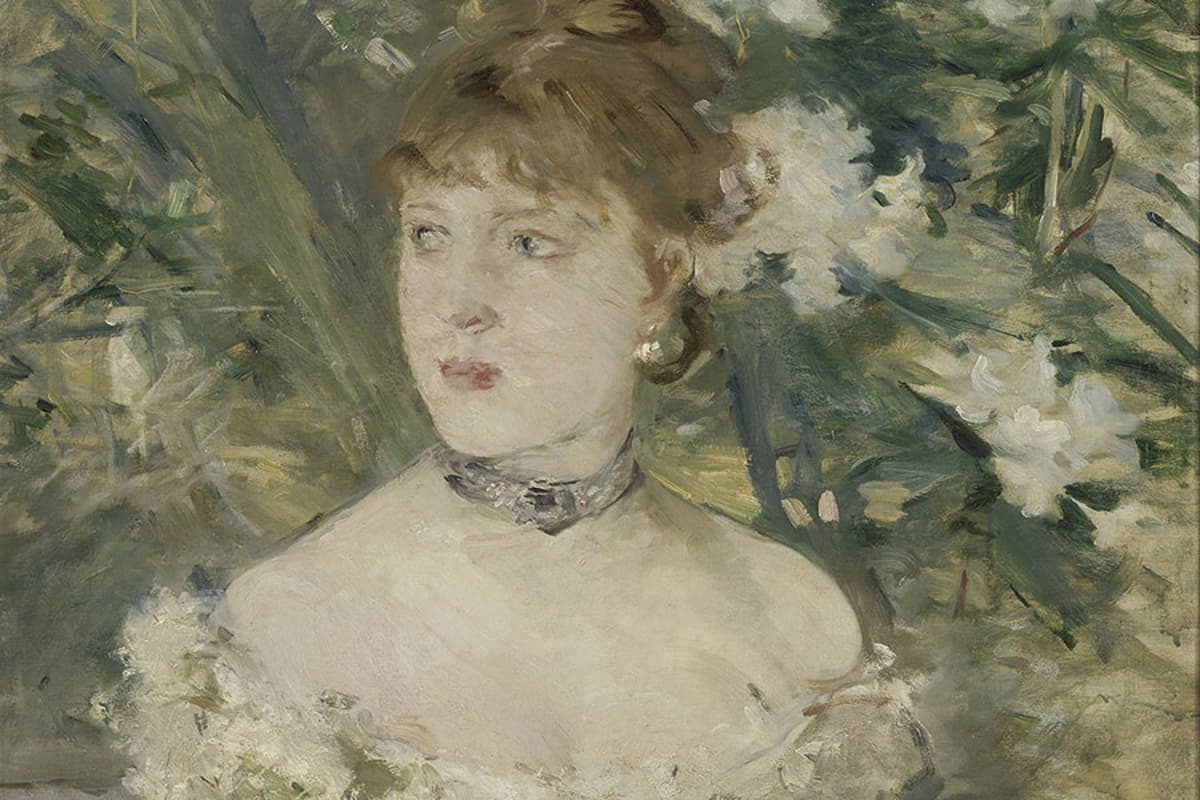
Why It Matters
The partnership reshaped artistic conventions, elevating women’s agency in a male‑dominated art world and influencing the trajectory of modern art.
Key Takeaways
- •Manet retouched Morisot's portrait, sparking a pivotal artistic dialogue.
- •Exhibition pairs Manet's *Balcony* with Morisot's *Artist’s Sister at a Window*.
- •Morisot leveraged studio access to shift from naturalism to modernism.
- •Their repartee reshaped 19th‑century French painting and influenced future art movements.
- •Exhibition highlights women's evolving role in the male‑dominated art world.
Pulse Analysis
The newly opened "Manet and Morisot" exhibition offers more than a side‑by‑side display of two masterpieces; it reconstructs a formative moment in art history when a celebrated male painter directly intervened in a young woman’s work. By revisiting Manet’s impromptu retouch of Morisot’s double portrait, the show illuminates how mentorship, critique, and creative tension can accelerate stylistic evolution. This narrative resonates with contemporary discussions about gender dynamics in creative industries, underscoring how access to elite studios once served as a rare conduit for women to absorb avant‑garde techniques.
Beyond the anecdote, the curators highlight how Morisot transformed Manet’s influence into a distinct visual language. Her shift from plein‑air landscapes to intimate domestic interiors introduced a nuanced, observational realism that prefigured Impressionist sensibilities. The exhibition’s pairing of *Balcony* with *The Artist’s Sister at a Window* demonstrates a dialogue of composition, light, and psychological depth, revealing how each artist borrowed and diverged from the other’s approach. This reciprocal exchange not only enriched their individual oeuvres but also contributed to the broader decoupling of art from strict naturalism, paving the way for later modernist movements.
For today’s art market and museum audiences, the exhibition serves as a case study in collaborative innovation. It illustrates how institutions can reinterpret historical relationships to engage modern viewers, while also prompting reassessment of overlooked contributions by women artists. By foregrounding Morisot’s agency and the nuanced power balance with Manet, the show invites collectors, scholars, and the public to reconsider the narratives that shape art history and to recognize the enduring value of cross‑generational artistic mentorship.
Manet and Morisot: Game On
Comments
Want to join the conversation?
Loading comments...