Key Takeaways
- •FungaRobo blends mycelial motifs and robotics for speculative urban futures
- •Works repurpose 1950s‑60s Zagreb photographs, linking socialist modernism to present
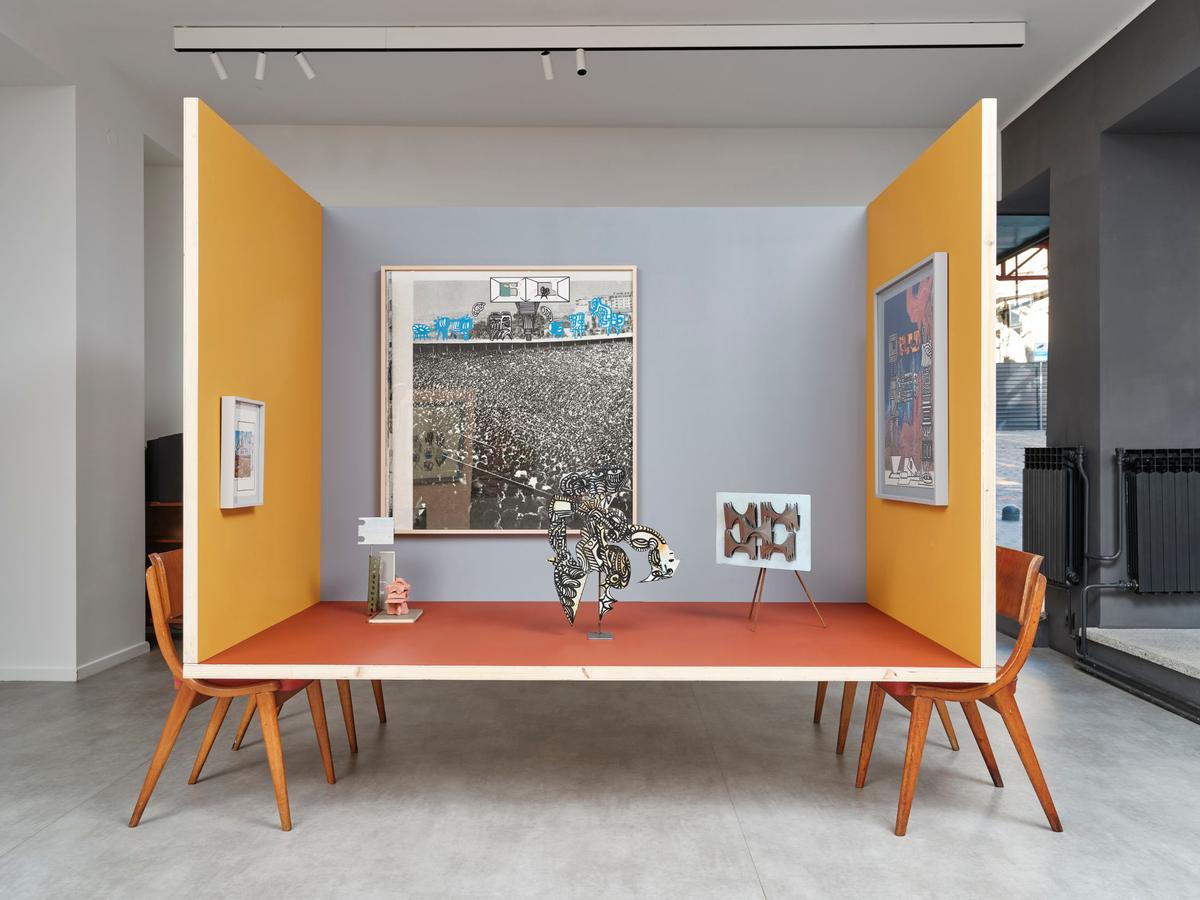
- •Exhibition uses furniture and found objects, creating hybrid gallery‑scenography
- •Mycelium‑inspired puppets suggest non‑invasive, decentralized community structures
- •Curator highlights objects as latent fields for new artistic possibilities
Pulse Analysis
Marko Tadić’s _FungaRobo_ exhibition pushes the boundaries of contemporary art by treating the city as an ecosystem. By borrowing the language of fungal mycelia—organic networks that distribute resources without hierarchy—Tadić aligns biological principles with emerging robotics, proposing a model of urban organization that is both resilient and adaptable. This artistic ecology resonates with current debates in smart‑city design, where decentralization and data‑driven responsiveness are prized, yet it also injects a critical, non‑technocratic perspective that questions the unchecked growth of capitalist urbanism.
The installation’s material strategy deepens its conceptual heft. Tadić excavates archival photographs from Zagreb’s socialist‑era boom, layering them with collage, animation and sculptural interventions that repurpose everyday objects—tables, chairs, cabinets—into a mutable scenography. This bricolage not only blurs the line between exhibition and performance but also mirrors the city’s own patchwork of abandoned infrastructures and emergent uses. By foregrounding the environmental toll of recent earthquakes, storms and fires, the work underscores how neglect of shared urban assets accelerates ecological risk, urging viewers to reconsider the social contracts that underpin public space.
Beyond its aesthetic ambition, _FungaRobo_ offers a template for interdisciplinary collaboration between artists, urban planners and technologists. The mycelium‑inspired figures act as metaphorical consultants, suggesting that future cities could be designed as living, responsive organisms rather than static monuments. As municipalities worldwide grapple with climate adaptation and post‑industrial redevelopment, Tadić’s speculative vision provides a cultural touchstone for re‑imagining governance structures that prioritize collective well‑being, modular growth, and ecological stewardship. The exhibition thus serves as both a critique of current trajectories and a hopeful blueprint for more just, sustainable urban futures.
Marko Tadić at Trotoar Gallery, Zagreb
Comments
Want to join the conversation?