Why It Matters
The production showcases how high‑concept theatre can reinterpret historical narratives, influencing contemporary stagecraft and audience expectations. Its polarizing reception underscores the market for avant‑garde experiences within major festivals.
Key Takeaways
- •Isabelle Huppert delivers hypnotic monologue as Mary.
- •Robert Wilson's avant‑garde direction dominates visual design.
- •French script delivered at breakneck speed, subtitles lag.
- •Ludovico Einaudi soundtrack pre‑recorded, adds dissonance.
- •Production revisits Mary Queen of Scots at Adelaide Festival.
Pulse Analysis
Mary Queen of Scots has long served as a cultural touchstone, symbolising both feminine power and tragic downfall. In recent years, theatre companies have turned to her story to explore themes of agency, loyalty, and political intrigue, often through experimental formats that challenge conventional storytelling. "Mary Said What She Said" continues this trajectory, positioning the historical narrative within a stark, minimalist setting that foregrounds emotion over historical exposition. By presenting the queen’s final thoughts as a rapid‑fire monologue, the production taps into contemporary audiences’ appetite for immersive, intellectually demanding experiences that blur the line between drama and performance art.
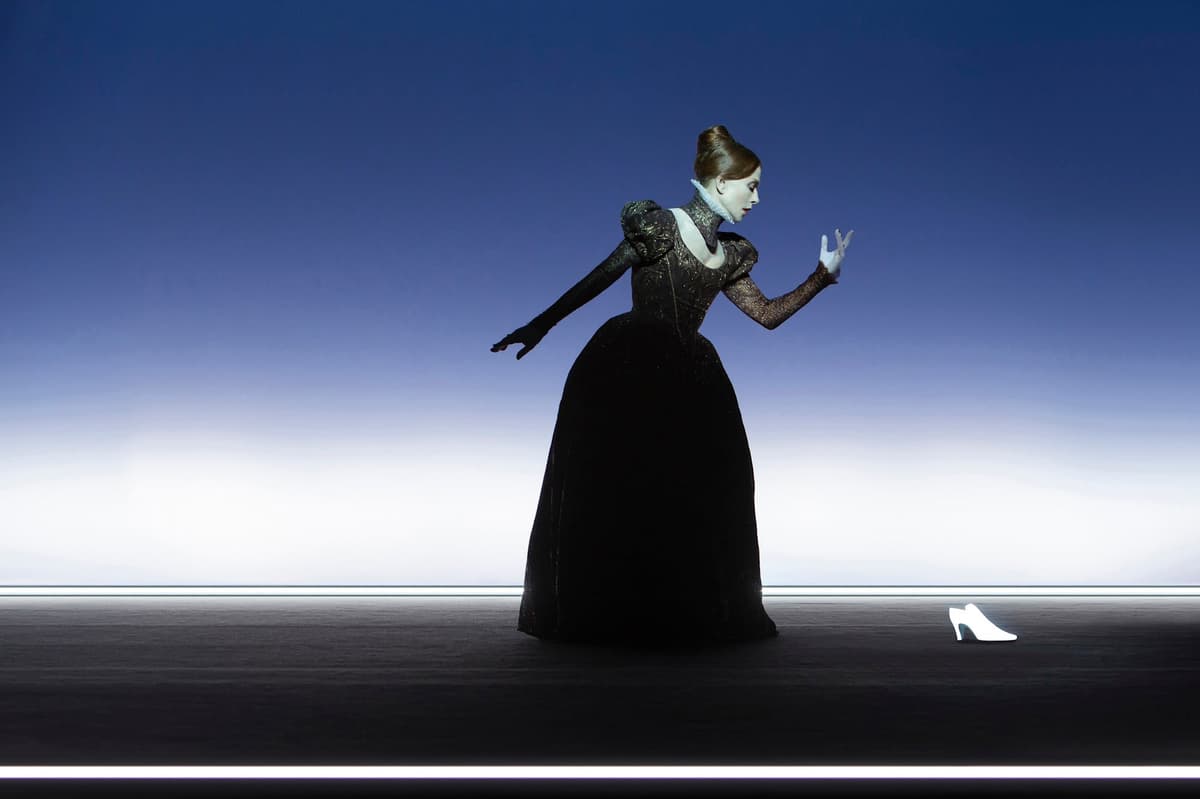
The creative team behind the Adelaide run leans heavily on Robert Wilson’s signature visual language—precise lighting, static tableaux, and layered soundscapes. Isabelle Huppert’s embodiment of Mary oscillates between statue‑like stillness and frantic pacing, a physical manifestation of the queen’s inner turmoil. The decision to deliver the script in French at breakneck speed, paired with English surtitles that struggle to keep up, creates a deliberate sense of disorientation, forcing viewers to feel the chaos of impending execution rather than follow a linear plot. Ludovico Einaudi’s pre‑recorded score, interspersed with incongruous voices, adds an additional layer of auditory tension that heightens the avant‑garde aesthetic.
From a business perspective, the production illustrates how festivals can leverage high‑profile talent and daring concepts to differentiate their programming and attract niche audiences willing to pay premium ticket prices. While the show’s incomprehensibility may limit mainstream appeal, its critical buzz generates valuable media coverage and reinforces the Adelaide Festival’s reputation as a hub for innovative theatre. The mixed reception also signals a market opportunity for producers to balance experimental ambition with accessibility, perhaps by offering multilingual guides or interactive pre‑show materials. As avant‑garde theatre gains traction, similar projects are likely to appear on international stages, reshaping the economics of contemporary performance.
Mary Said What She Said review: a stunning solo act
0
Comments
Want to join the conversation?
Loading comments...