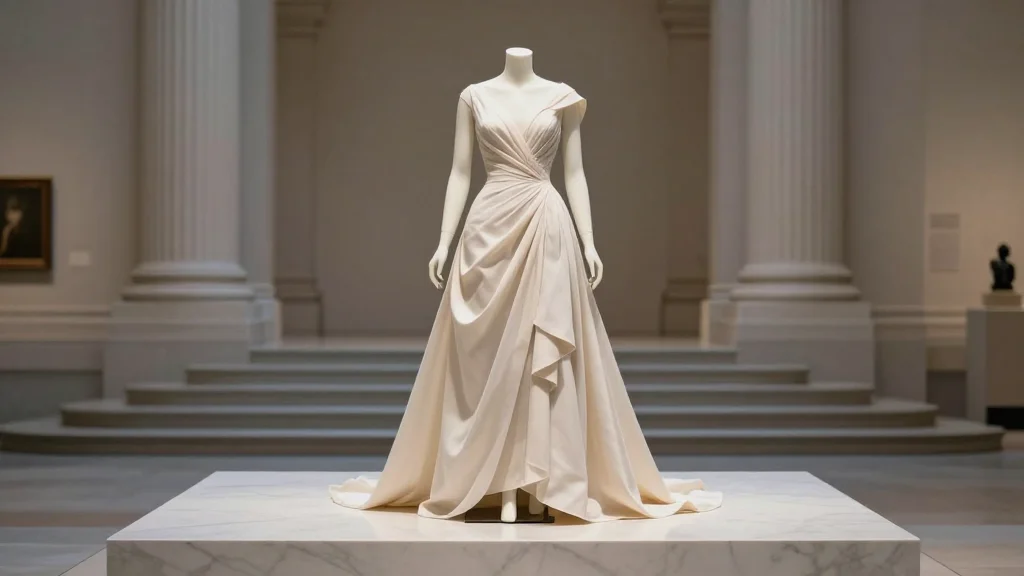
Met Museum Launches ‘Costume Art’ at Gala, Reclaiming Overlooked Body Types

Companies Mentioned
Why It Matters
“Costume Art” marks a watershed moment for museums by foregrounding bodies that have long been excluded from the canon of high art. By pairing fashion with historical artworks, the Met not only expands the definition of what constitutes museum‑worthy material but also leverages its platform to challenge entrenched beauty standards. The exhibition’s emphasis on real‑world body diversity resonates with broader cultural conversations about inclusion, potentially influencing how other institutions curate fashion and design. Financially, the record‑breaking $31 million raised by the Met Gala underscores the commercial power of fashion philanthropy. The new Conde M. Nast Galleries provide a self‑sustaining venue that can host longer‑term shows, reducing reliance on temporary pop‑up spaces and allowing deeper scholarly engagement. If successful, the model could inspire other cultural institutions to invest in permanent fashion spaces, reshaping the economics of museum exhibitions.
Key Takeaways
- •Met Museum debuts “Costume Art” at the Met Gala, focusing on diverse body types
- •Exhibition housed in new Conde M. Nast Galleries, open to public May 10 for eight months
- •Mannequins modeled on real people include corpulent, disabled, pregnant and aging bodies
- •Record $31 million raised by last year’s Met Gala funds the new permanent fashion space
- •Curator Andrew Bolton frames the show as a reclamation of bodies historically ignored by art history
Pulse Analysis
The Met’s decision to anchor “Costume Art” in a permanent gallery signals a strategic pivot from treating fashion as a periodic fundraiser to positioning it as a core scholarly discipline. Historically, the Costume Institute’s shows have been high‑glamour events that generate headline‑grabbing donations, but the new space allows for sustained research, conservation and public education. This shift mirrors a broader museum trend toward interdisciplinary programming, where fashion is examined alongside anthropology, gender studies and disability studies, thereby attracting a more diverse visitor base.
From a market perspective, the exhibition leverages the Met Gala’s media megaphone to amplify a body‑positive narrative that aligns with consumer demand for inclusive branding. Designers featured—Dolce & Gabbana, Michaela Stark, Georgina Godley—stand to benefit from heightened visibility, potentially translating into increased sales and collaborations with socially conscious retailers. At the same time, the museum’s reliance on gala fundraising raises questions about the sustainability of such large‑scale projects if donor fatigue sets in. The new galleries, however, mitigate this risk by providing a revenue‑generating venue for ticketed exhibitions, merchandise and licensing deals.
Looking ahead, “Costume Art” could set a precedent for how cultural institutions address representation. If visitor numbers and critical reception remain strong, other major museums may follow suit, creating dedicated fashion wings that prioritize inclusivity. Conversely, backlash from traditionalist donors could force a recalibration of curatorial ambition. The Met’s gamble on body diversity thus serves as a litmus test for the future balance between artistic integrity, social responsibility and financial viability in the art world.
Met Museum Launches ‘Costume Art’ at Gala, Reclaiming Overlooked Body Types
Comments
Want to join the conversation?
Loading comments...