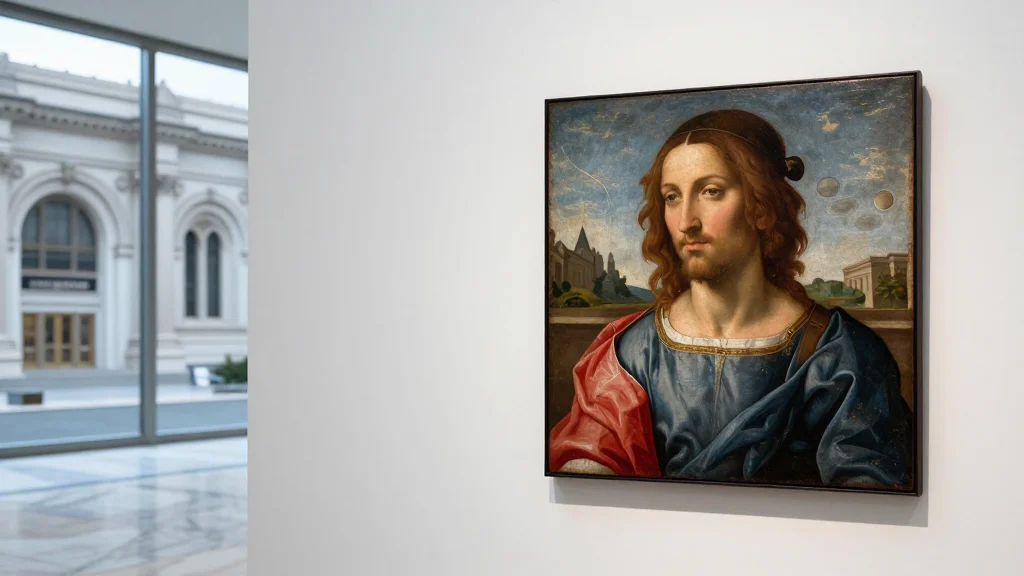
Met Unveils First U.S. Raphael Retrospective, Showcasing 175 Works

Companies Mentioned
Why It Matters
By gathering the most extensive collection of Raphael’s works ever shown in the United States, the Met creates a rare research platform for scholars and a transformative experience for the public. The exhibition confronts long‑standing critical narratives that have marginalized Raphael’s emotional range, offering a more nuanced view that could influence future museum programming and academic discourse. Moreover, the logistical achievement of securing loans from over 60 institutions underscores a growing willingness among collections to collaborate on large‑scale, high‑impact exhibitions, setting a precedent for future cross‑institutional projects. The public’s enthusiastic response signals a robust appetite for deep‑dive retrospectives that combine blockbuster appeal with scholarly rigor. As museums compete for audiences in a post‑pandemic landscape, "Raphael: Sublime Poetry" demonstrates how a well‑curated, research‑driven show can drive ticket sales, media coverage, and donor interest, reinforcing the Met’s role as a cultural anchor in the art world.
Key Takeaways
- •Met opens "Raphael: Sublime Poetry" March 29–June 28, 2026, the first major U.S. Raphael exhibition.
- •The show features 237 objects, including 175 works by Raphael—142 drawings and 33 paintings.
- •Curator Carmen Bambach secured loans from more than 60 public and private collections.
- •Exhibition aims to overturn the view of Raphael as emotionally sterile, highlighting his innovation.
- •High ticket demand has led to added entry times; a traveling version is planned for 2027.
Pulse Analysis
The Met’s decision to mount a comprehensive Raphael retrospective reflects a broader shift in museum strategy toward deep, scholarship‑heavy exhibitions that also function as revenue generators. In recent years, institutions have leaned on blockbuster shows—think Van Gogh, Monet, or the recent Leonardo exhibition—to boost foot traffic after pandemic‑induced declines. Raphael, however, offers a different value proposition: the rarity of his drawings in public view creates a scholarly magnet that can attract both academics and affluent donors interested in supporting research.
From a competitive standpoint, the Met is positioning itself ahead of other U.S. institutions that have traditionally focused on modern and contemporary art. By delivering a Renaissance showcase of this magnitude, the museum not only reasserts its leadership in European art but also forces peers to consider similar high‑stakes collaborations. The logistical feat of coordinating loans from 60+ collections demonstrates a new level of trust and shared ambition among custodians, potentially easing future negotiations for other rare works.
Looking forward, the exhibition’s success could catalyze a wave of similarly ambitious retrospectives, especially for artists whose oeuvre remains fragmented across private and institutional holdings. If the Met can translate scholarly acclaim into sustained attendance and donor support, it may set a template for balancing academic depth with mass‑appeal programming—a model that could redefine how major museums justify large capital expenditures in an era of tightened public funding.
Met Unveils First U.S. Raphael Retrospective, Showcasing 175 Works
Comments
Want to join the conversation?
Loading comments...