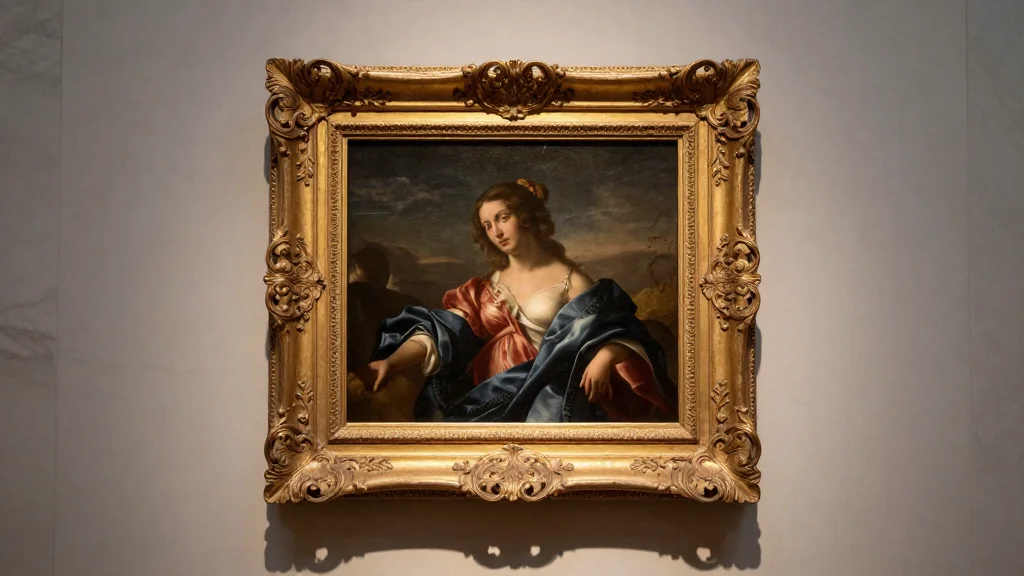
Met’s $2 Billion Raphael Exhibition Reveals New Museum Funding Playbook

Companies Mentioned
Why It Matters
The Met’s Raphael exhibition illustrates a turning point in museum economics, where private capital and cross‑border loan agreements are essential to presenting world‑class shows. By mobilizing billions in art value and securing high‑profile private loans, the museum demonstrates how cultural institutions can compete for global attention without relying exclusively on public appropriations. This model may pressure smaller museums to seek similar financing structures or risk being left out of major narratives. Moreover, the exhibition raises questions about provenance, access, and the role of ultra‑wealthy collectors in shaping public heritage. As private lenders like Leon Black step into the spotlight, the balance between public benefit and private influence will become a focal point for policymakers, scholars, and the broader art market.
Key Takeaways
- •Met’s ‘Raphael: Sublime Poetry’ opened with 33 paintings and 142 works on paper from 60 institutions.
- •Estimated aggregate value of the artworks on view runs into the billions of dollars.
- •Exhibition’s budget is roughly $2 billion, funded through private donors, corporate sponsors, and capital campaigns.
- •Two of Raphael’s most expensive works were loaned anonymously by billionaire Leon Black.
- •Curator Carmen Bambach spent eight years negotiating loans, research, and fundraising for the show.
Pulse Analysis
The Met’s ability to marshal a $2 billion‑scale exhibition underscores a broader trend: museums are evolving into financial engineers as much as cultural curators. Historically, blockbuster shows were funded by a mix of ticket sales, government grants, and modest private gifts. Today, the stakes are higher, and the financial playbook includes multi‑year capital campaigns, strategic partnerships with ultra‑wealthy collectors, and sophisticated loan‑fee structures that can offset shipping, insurance, and conservation costs.
This shift reflects the competitive pressure to attract global audiences in an era where digital experiences and travel constraints have heightened the value of unique, in‑person encounters. By presenting a show that rivals the Louvre’s own blockbuster exhibitions, the Met not only reinforces its status as a cultural capital but also sets a benchmark for other institutions. Smaller museums may need to form consortia or seek joint funding models to remain relevant, potentially reshaping the museum ecosystem into a more collaborative, albeit financially complex, network.
Looking ahead, the success of the Raphael exhibition could inspire a wave of similarly ambitious projects, prompting museums to invest in long‑term loan relationships and to cultivate donor bases that can underwrite the extraordinary costs of moving priceless works across borders. The balance between public access and private influence will be the defining debate of this new era in museum practice.
Met’s $2 Billion Raphael Exhibition Reveals New Museum Funding Playbook
Comments
Want to join the conversation?
Loading comments...