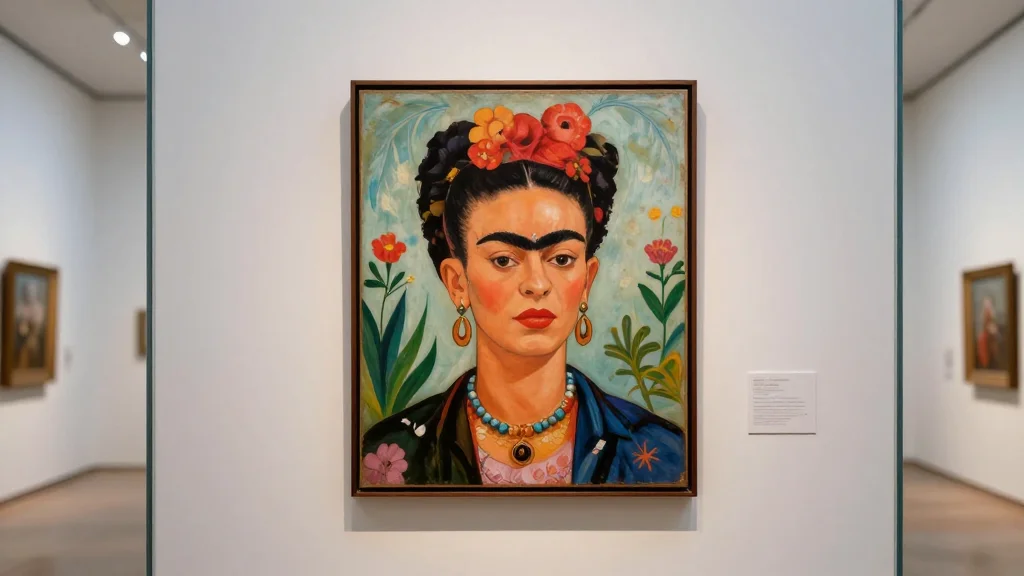
Mexican Artists Protest Export of Frida Kahlo Masterpieces to Spain

Companies Mentioned
Why It Matters
The dispute highlights a clash between cultural preservation and global exposure. If the Gelman collection remains abroad indefinitely, Mexico could lose direct public access to works that embody its artistic legacy, undermining national identity and the legal protections afforded to artistic monuments. Conversely, a successful international partnership could set a model for sustainable cultural exchange, provided clear, enforceable terms protect the originating country’s interests. The controversy also serves as a litmus test for Mexico’s ability to enforce heritage laws in an era of increasing private‑public collaborations. A precedent that favors flexible, indefinite loans may encourage other institutions to pursue similar deals, potentially draining the nation’s cultural capital. The outcome will influence future negotiations, museum funding strategies, and the political capital of cultural ministries.
Key Takeaways
- •Nearly 400 Mexican cultural professionals signed an open letter demanding clarity on the Gelman collection export.
- •The deal involves 160 works, including Frida Kahlo paintings, moving to Spain’s Faro Santander centre this summer.
- •The Gelman collection was rebranded as the Gelman Santander collection after a 2023 purchase by the Zambrano family.
- •Faro Santander’s director described the collection’s presence in Spain as "permanent" and the governing legislation as "flexible."
- •Mexico’s law designates the works as an "artistic monument," which traditionally restricts permanent export.
Pulse Analysis
The Gelman saga underscores a growing tension in the global art market: the lure of high‑profile international exhibitions versus the imperative to safeguard national heritage. Historically, Mexico has been protective of its cultural patrimony, enshrining key works as artistic monuments that cannot leave the country without explicit legislative sanction. The Santander agreement, however, exploits a legal gray area by framing the loan as a partnership rather than a sale, allowing the bank to claim custodial responsibility while sidestepping a fixed repatriation clause. This maneuver reflects a broader trend where private financiers leverage cultural assets to enhance brand prestige, often at the expense of transparent governance.
If Mexico concedes to the current terms, it may open the floodgates for other private entities to negotiate similar deals, potentially eroding the state's leverage over its own artistic legacy. On the other hand, a renegotiated agreement that includes a clear, time‑bound return schedule could set a new benchmark for responsible cultural diplomacy, balancing global visibility with domestic stewardship. The outcome will likely influence how other nations approach the export of protected artworks, especially as banks and corporations increasingly seek cultural cachet through high‑value art collaborations.
Looking ahead, the government’s response will be a barometer for its commitment to cultural sovereignty. A decisive stance—whether by amending the contract, imposing stricter oversight, or securing a guaranteed repatriation timeline—could reaffirm Mexico’s dedication to protecting its artistic monuments. Failure to act decisively may embolden private actors to prioritize commercial interests over cultural responsibility, reshaping the future of museum loan policies worldwide.
Mexican Artists Protest Export of Frida Kahlo Masterpieces to Spain
Comments
Want to join the conversation?
Loading comments...