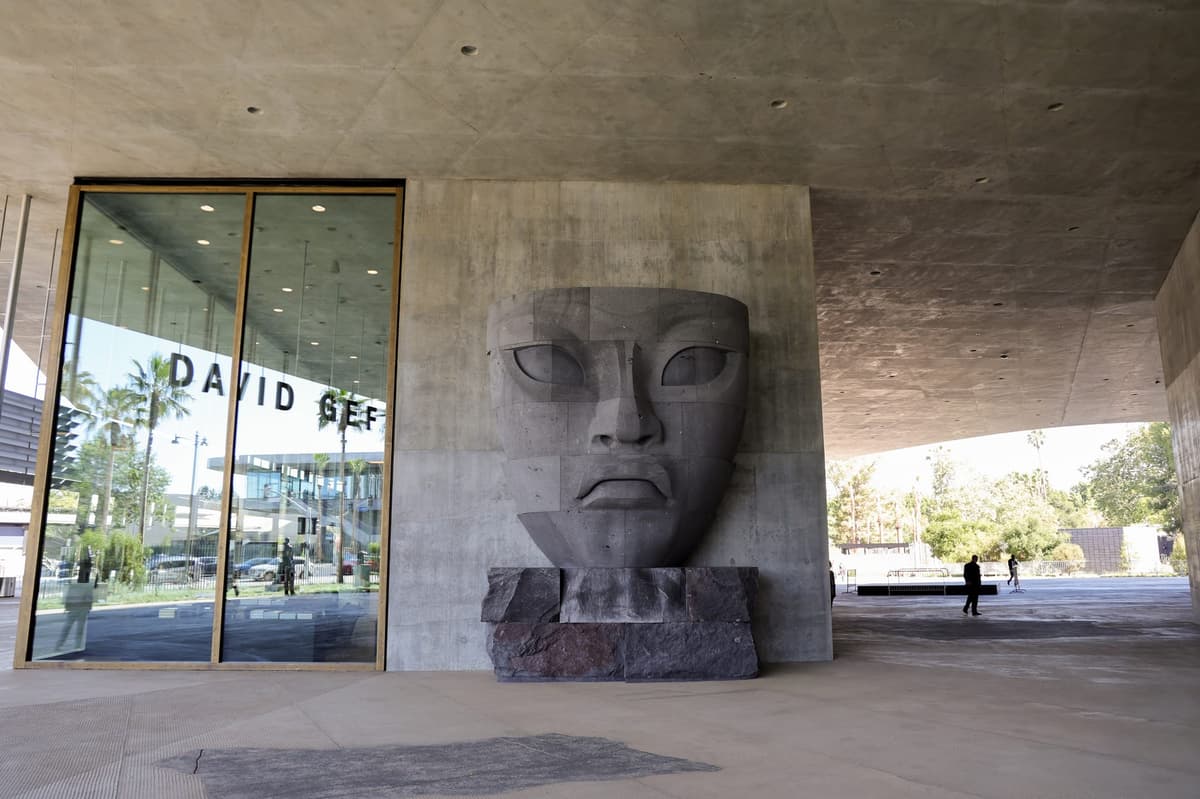
Mexican Cultural Workers Denounce Pedro Reyes Sculpture at LACMA
Why It Matters
The dispute underscores how major museums must navigate transnational cultural sensitivities, especially when displaying works tied to contested histories. Ignoring activist voices can damage institutional credibility and alienate key audiences.
Key Takeaways
- •LACMA installed Pedro Reyes’s “Tlali” in its new Elaine Wynn Wing
- •Mexican cultural workers signed an open letter opposing the sculpture
- •The work echoes a scrapped 2021 Mexico City commission
- •Critics say the piece perpetuates stereotypical Indigenous representation
- •LACMA claims the sculpture is a reimagined, context‑specific work
Pulse Analysis
LACMA’s $720 million expansion has drawn attention not only for its architecture but also for the debut of Pedro Reyes’s “Tlali,” a colossal lava‑stone head positioned as a selfie hotspot on the museum’s plaza. The sculpture, a scaled‑down reinterpretation of the artist’s aborted 2021 Mexico City commission, replaces the original title “Tlalli” and omits the facial jewelry that sparked earlier outrage. By placing the work in a high‑visibility U.S. venue, LACMA signals its commitment to large‑scale, socially engaged art, yet it also inherits the controversy that followed the original proposal.
The backlash emerged when an open letter, endorsed by almost 80 Mexican critics, artists, and academics, condemned the museum for overlooking the intense opposition the piece faced in Mexico. In 2021, Reyes was selected to create an Indigenous woman bust to replace a Columbus statue, a decision rebuked by feminist and Indigenous groups who argued a male, non‑Indigenous artist could not authentically represent their communities. The letter argues that “Tlali” repeats the same monolithic, colonial imagery, effectively sidelining the concerns of hundreds of Mexican women and Indigenous advocates.
For cultural institutions, the episode highlights the growing expectation that museums conduct thorough provenance and impact assessments before acquiring works with fraught histories. LACMA’s statement that the sculpture is “entirely different in purpose and meaning” may not satisfy critics who see the core visual language unchanged. As museums worldwide grapple with decolonization pressures, transparent dialogue with affected communities will become essential to maintain public trust and avoid accusations of cultural insensitivity.
Mexican Cultural Workers Denounce Pedro Reyes Sculpture at LACMA
Comments
Want to join the conversation?
Loading comments...