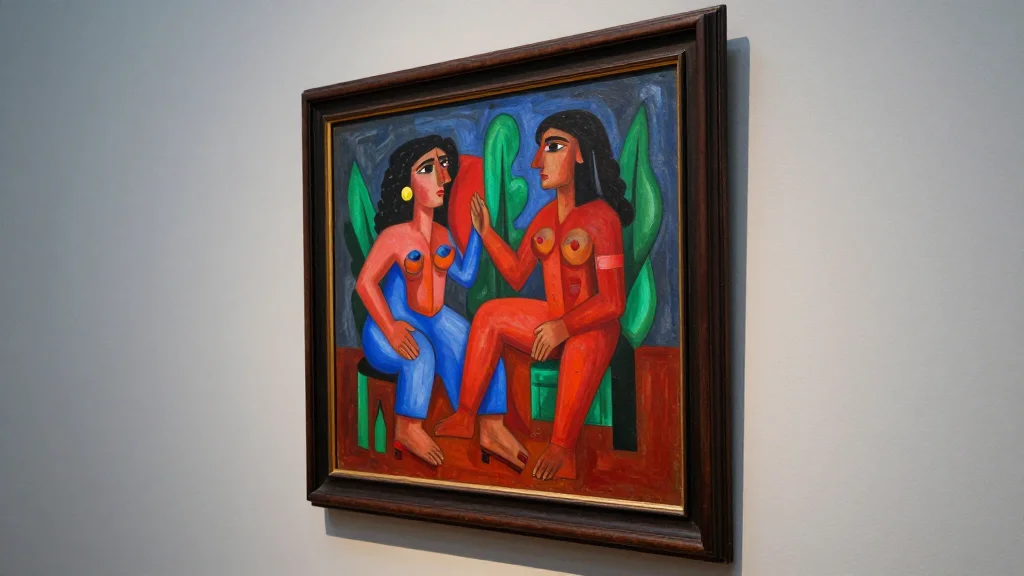
Mexico’s Art Community Calls for Greater Transparency in Management of Treasured Collection
Companies Mentioned
Why It Matters
The dispute underscores the clash between private ownership, global exhibition demand, and Mexico’s cultural‑heritage protections, forcing a rethink of loan practices for nationally protected art. It also signals to collectors and institutions the need for clearer legal safeguards for iconic works.
Key Takeaways
- •350 professionals demand transparency on Gelman Santander Collection
- •30 works classified as national artistic monuments under INBAL
- •Kahlo paintings face strict export prohibitions, only temporary loans
- •Five‑year renewable loan delays full return until 2030
- •International museums seek to exhibit Kahlo works, sparking debate
Pulse Analysis
The Gelman Collection’s transition from private family ownership to Banco Santander’s custodianship marks a rare convergence of high‑value art, corporate stewardship, and national cultural policy. Assembling works by Frida Kahlo, Diego Rivera, José Clemente Orozco and others, the collection is a benchmark of Mexican modernism. Its recent public showing at Mexico City’s Museo de Arte Moderno has revived interest, but the underlying agreement—signed with the Zambrano family—includes a five‑year renewable loan that could keep the pieces abroad until 2030, prompting intense scrutiny from the art world and policymakers alike.
Mexico’s heritage framework, administered by the Instituto Nacional de Bellas Artes y Literatura (INBAL), classifies 30 pieces as national artistic monuments, imposing strict export controls. While temporary permits are permissible, Kahlo’s paintings are expressly barred from permanent export, a clause that legal experts say must be respected to avoid violating the law. The open letter from 350 cultural professionals calls for full disclosure of export permits and a renegotiated loan structure that guarantees longer domestic exhibition, reflecting broader concerns about the commodification of protected cultural assets.
The controversy has ripple effects across the global museum market. Institutions such as Fondation Beyeler, Neue Nationalgalerie and Nasjonalmuseet have expressed interest in showcasing Kahlo’s works, highlighting the commercial allure of Mexican modern art. Yet the push‑back from Mexican authorities and cultural advocates may set a precedent for how nations negotiate loan agreements for heritage‑protected collections. Future negotiations will likely balance the financial incentives of international exposure with the imperative to preserve national artistic legacy, shaping policy for cross‑border art collaborations in the years ahead.
Mexico’s art community calls for greater transparency in management of treasured collection
Comments
Want to join the conversation?
Loading comments...