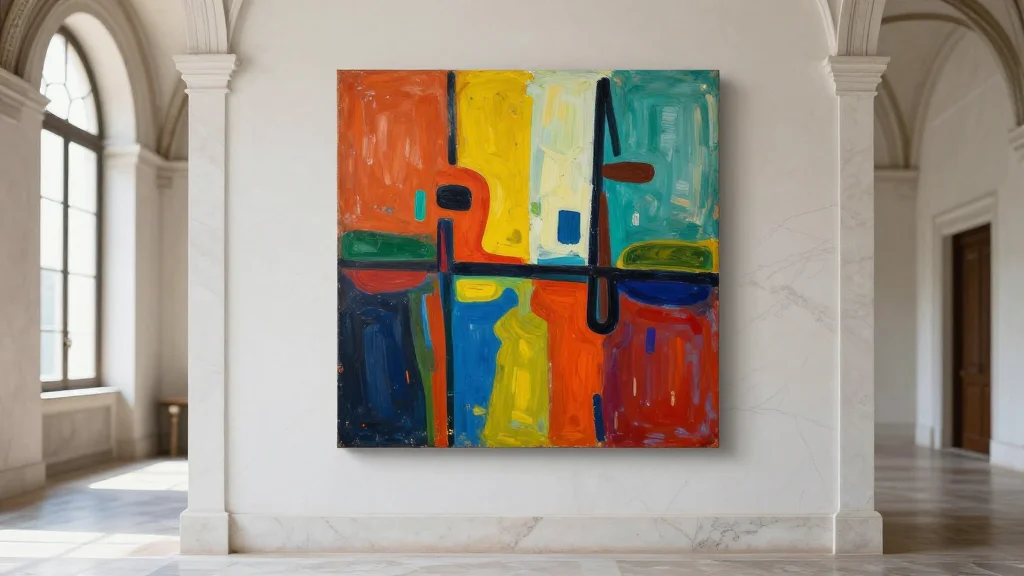
Michael Armitage Opens Monumental Solo Show at Venice’s Palazzo Grassi

Companies Mentioned

Why It Matters
The Palazzo Grassi exhibition elevates a Kenyan‑born artist to a platform historically dominated by European painters, signaling a tangible shift toward a more inclusive narrative in the art world. By foregrounding African perspectives within a landmark Venetian venue, the show challenges entrenched hierarchies and encourages institutions to reconsider the geographic and cultural scope of their programming. Beyond symbolic significance, the exhibition may catalyze market interest in contemporary African art, prompting collectors, galleries, and auction houses to allocate greater resources to artists from the continent. This could lead to more robust support structures, increased visibility, and a diversification of the global art ecosystem.
Key Takeaways
- •Michael Armitage opens "The Promise of Change" at Palazzo Grassi, Venice.
- •Exhibition includes 46 large paintings and nearly 100 sketches covering ten years of work.
- •Armitage is the youngest artist (42) to receive a solo show in the venue, traditionally reserved for older European painters.
- •Salman Rushdie contributes a catalogue essay praising Armitage’s engagement with contemporary issues.
- •Show may boost market demand for contemporary African art ahead of the 2026 Venice Biennale.
Pulse Analysis
Armitage’s Palazzo Grassi debut arrives at a moment when major institutions are actively seeking to diversify their narratives. Historically, the European museum circuit has been slow to integrate artists from Africa beyond tokenistic gestures. By granting a solo monographic show to a Kenyan‑born painter in a space owned by François Pinault—a collector known for championing contemporary art—Venice signals a strategic pivot toward a more global curatorial agenda. This move aligns with a broader trend where auction houses report record sales for African artists, and museums in Europe and North America are commissioning new acquisitions from the continent.
From a market perspective, the exhibition functions as a catalyst for price appreciation and collector confidence. The visibility afforded by a high‑profile venue can translate into heightened demand at both primary and secondary markets, potentially reshaping the valuation curve for African contemporary art. Moreover, the timing—just before the 2026 Venice Biennale—positions Armitage as a leading voice in the upcoming thematic conversations, likely influencing curatorial decisions across the biennial’s national pavilions. If the show garners strong critical and public response, it could encourage other historic venues to follow suit, accelerating the integration of African artistic narratives into the canon of Western art history.
Looking ahead, the exhibition’s potential travel itinerary will be a barometer for institutional commitment. Should major museums in New York, Berlin, or Tokyo schedule follow‑up shows, it would confirm that Armitage’s Palazzo Grassi moment is not an isolated event but part of a sustained shift. The art world will be watching closely to see whether this breakthrough translates into lasting structural change or remains a singular high‑profile exception.
Michael Armitage Opens Monumental Solo Show at Venice’s Palazzo Grassi
Comments
Want to join the conversation?
Loading comments...