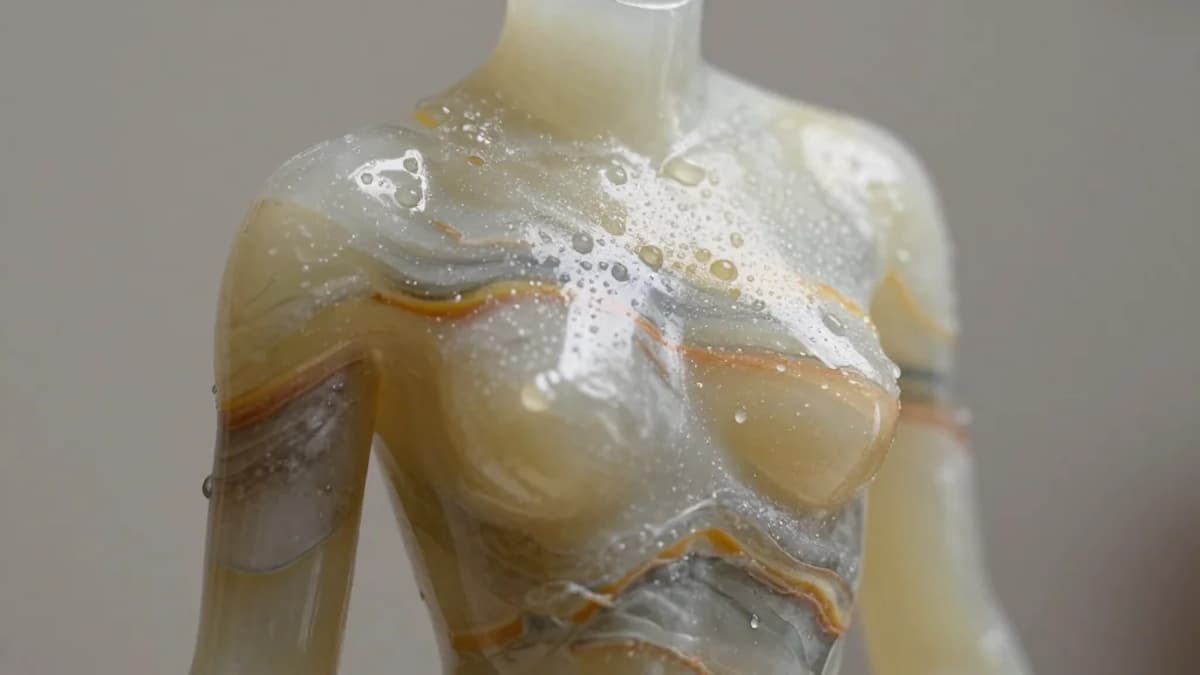
Michael Joo Looks Back On His Career, With Another Venice Biennale Appearance on the Horizon
•March 10, 2026
0
Why It Matters
Joo’s material‑driven approach bridges art, science, and cultural memory, shaping contemporary installation discourse and signaling a high‑profile return to the Venice Biennale. The sculpture collapse also spotlights safety protocols for large‑scale artworks.
Key Takeaways
- •Exhibition merges biology, archives, and everyday objects
- •1992 salt sculpture collapsed, minor injuries reported
- •Joo prepares new Venice Biennale work after two decades
- •Installation uses 100‑year‑old New York baking trays
- •Collaboration with curator Koyo Kouoh continues posthumously
Pulse Analysis
Michael Joo’s latest show demonstrates how a scientific mindset can inform sculptural practice. Drawing on his graduate training in biology and early work in plant genetics, Joo treats everyday objects—such as century‑old baking trays—as data points in a larger archival system. This method creates a layered narrative that connects personal history, urban food culture, and ecological concerns, offering viewers a tactile map of material intelligence that extends beyond traditional art historical references.
The unexpected collapse of Saltiness of Greatness sparked a conversation about the physical risks inherent in ambitious installations. While the sculpture’s mineral‑salt blocks were chosen for their symbolic link to Joo’s agrarian family background, their fragility under visitor interaction revealed gaps in exhibition safety planning. The incident prompted a swift rebuild using identical supplement‑grade salt, reinforcing the artist’s commitment to material authenticity while prompting institutions to reassess visitor engagement protocols for delicate works.
Looking ahead, Joo’s hinted participation in the Venice Biennale marks a significant re‑entry onto the global stage after more than two decades. His ongoing dialogue with the late curator Koyo Kouoh suggests a curatorial continuity that may shape the Biennale’s thematic focus on the agency of living and non‑living matter. By integrating archival rigor, scientific inquiry, and personal narrative, Joo continues to influence contemporary art’s discourse on interdisciplinary practice and the politics of materiality.
Michael Joo Looks Back On His Career, With Another Venice Biennale Appearance on the Horizon
0
Comments
Want to join the conversation?
Loading comments...