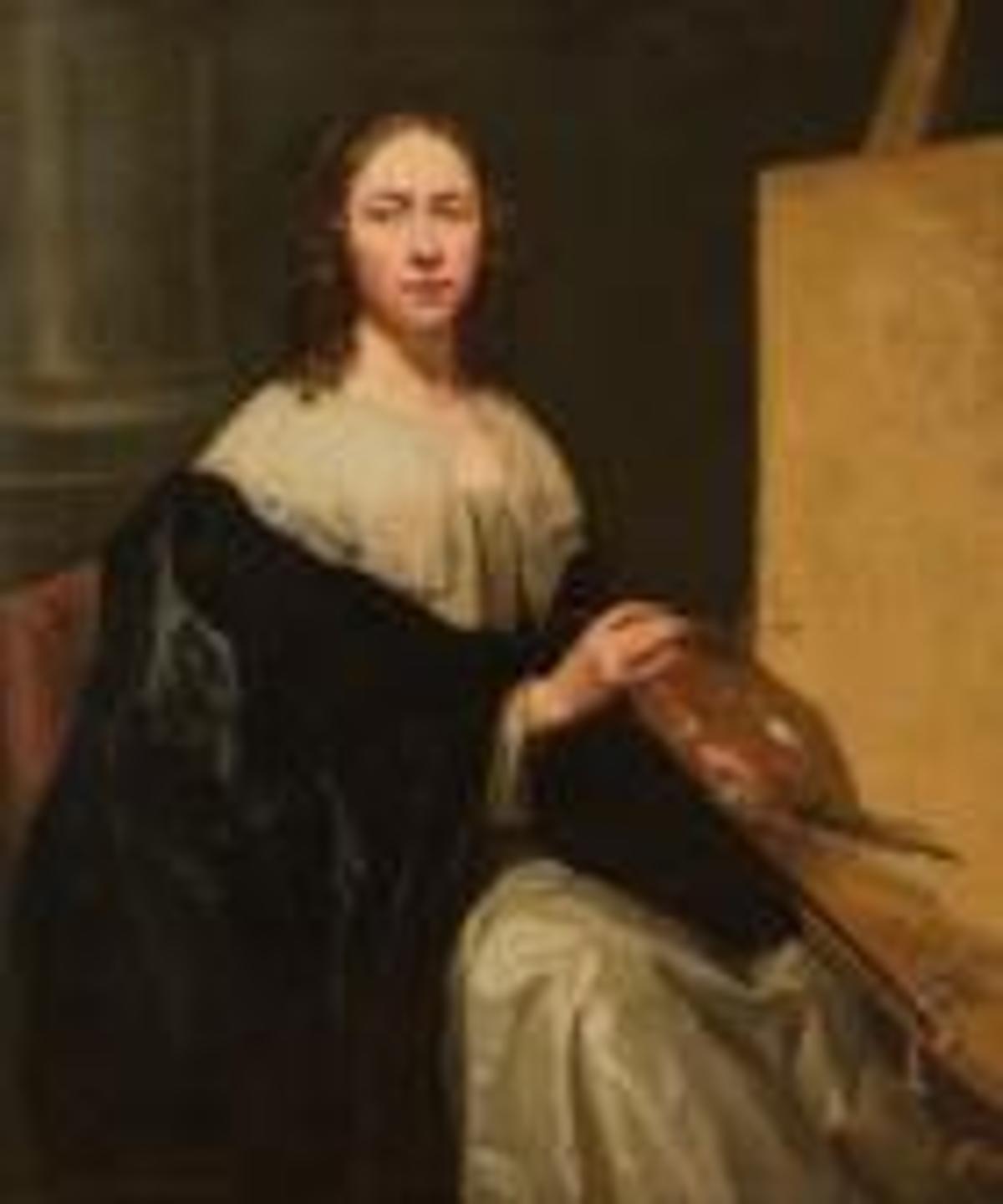
Michaelina Wautier’s Work Was Lost, Hidden or Misattributed to Men—Now Her Rediscovered Paintings Are Going on Show in London
Why It Matters
The exhibition reshapes the narrative of Baroque art by reinstating a female master, influencing museum programming and the art market’s valuation of overlooked women artists. It also highlights systemic gender bias that has historically erased women’s contributions from the canon.
Key Takeaways
- •Rediscovered Baroque painter Michaelina Wautier showcased in London
- •25 works, including newly identified Five Senses series, on view
- •Past misattributions to men highlight gender bias in art history
- •Technical analysis shows innovative pigment tricks, no blue used
- •Exhibition may trigger further discoveries of her hidden oeuvre
Pulse Analysis
The Royal Academy’s showcase of Michaelina Wautier marks a watershed moment for art history, bringing a once‑forgotten female Baroque talent into the public eye. While museums have long celebrated the likes of Rubens and Van Dyck, Wautier’s oeuvre—spanning portraits, still‑lifes, history paintings, and genre scenes—demonstrates a versatility that rivals her male contemporaries. By assembling 25 works, including the recently authenticated Five Senses series, the exhibition not only fills a scholarly gap but also offers collectors and institutions fresh provenance opportunities, potentially reshaping market valuations for Baroque works by women.
Beyond the narrative of rediscovery, the exhibition underscores the lingering effects of gender bias in attribution practices. Over centuries, Wautier’s paintings were repeatedly credited to the School of Rubens, Luca Giordano, or other male masters, reflecting a historical reluctance to acknowledge female artistic agency. Modern technical analysis, such as pigment studies revealing her clever optical illusion of blue without using the costly pigment, provides concrete evidence of her distinct technique and challenges outdated assumptions. These findings enrich academic discourse and equip conservators with new methodologies for re‑examining other misattributed works.
Looking ahead, curators anticipate that the catalogue accompanying the show will become quickly outdated as additional paintings surface. Wautier’s relatively short documented output—just sixteen years—contrasts with her long life, suggesting a substantial body of work remains hidden in private collections or misidentified in museum storages. The exhibition thus serves as both a celebration and a catalyst, encouraging further research, provenance investigations, and a broader reevaluation of women’s contributions to the Baroque canon. This momentum may inspire similar reassessments across other periods, fostering a more inclusive art historical narrative.
Michaelina Wautier’s work was lost, hidden or misattributed to men—now her rediscovered paintings are going on show in London
Comments
Want to join the conversation?
Loading comments...