Why It Matters
The Belgian pavilion showcases how a nation can leverage artistic freedom to foster global dialogue, reinforcing the Biennale’s role as a cultural marketplace and soft‑power arena.
Key Takeaways
- •Belgium pavilion blends performance, music, sculpture for communal introspection
- •Warlop draws inspiration from Venice’s local artistic communities
- •Emphasis on minorities aligns with Biennale theme “In Minor Keys.”
- •Belgium’s lack of historic legacy fuels artistic freedom and innovation
- •National pavilions act as dialogue hubs amid rising nationalism
Pulse Analysis
The Venice Biennale remains the premier stage for nations to display cultural capital, and the 61st edition continues that tradition with a heightened focus on dialogue amid geopolitical tension. National pavilions function like curated brand experiences, offering governments a chance to shape perception, attract tourism, and stimulate art‑market activity. In this environment, Belgium’s presence, anchored by Miet Warlop, signals a strategic use of cultural diplomacy that resonates with collectors and institutions seeking fresh narratives.
Warlop’s interdisciplinary installation—combining percussive soundscapes, sculptural hands, and an immersive space—embodies the Biennale’s "In Minor Keys" theme by giving voice to under‑represented perspectives. By drawing on Venice’s local artistic communities, he creates authenticity that appeals to curators and high‑net‑worth patrons looking for genuine, place‑based experiences. Belgium’s self‑characterization as a young nation without a heavy artistic legacy translates into a market advantage: the freedom to experiment attracts risk‑tolerant investors and positions Belgian artists as innovators in a competitive global market.
Beyond the exhibition floor, the pavilion’s emphasis on collective dialogue offers a template for other nations confronting rising nationalism. By framing national identity as a conduit for shared conversation rather than exclusion, Belgium demonstrates how cultural programming can mitigate political friction while opening new channels for cross‑border collaborations. For art dealers, galleries, and sponsors, this approach signals emerging opportunities in performance‑based works and interdisciplinary projects that can command premium prices and expand the reach of contemporary art beyond traditional galleries.
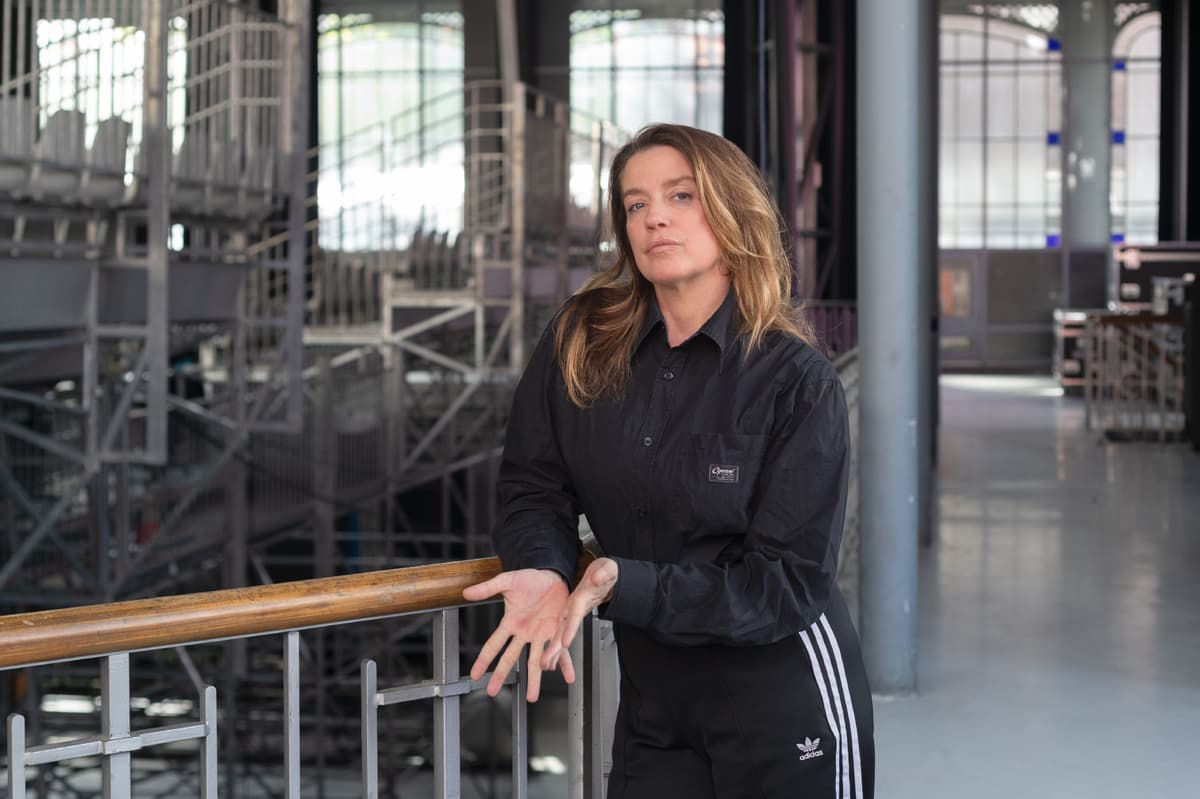
Miet Warlop on Representing Belgium at the 61st Venice Biennale
Comments
Want to join the conversation?
Loading comments...