Why It Matters
Emin’s comeback underscores how personal health crises can reshape an artist’s narrative, reinforcing her influence on Britain’s cultural and political discourse. The exhibition also signals heightened market and institutional confidence in her work.
Key Takeaways
- •Emin's Tate Modern exhibition features over 90 works post‑cancer recovery
- •She was appointed Dame Commander in 2024 after all‑clear oncology report
- •Emin now leads a foundation offering subsidized studio space and residencies
- •Her public commentary spans art, politics, education, and gender violence
- •Exhibition signals her full integration into Britain’s cultural establishment
Pulse Analysis
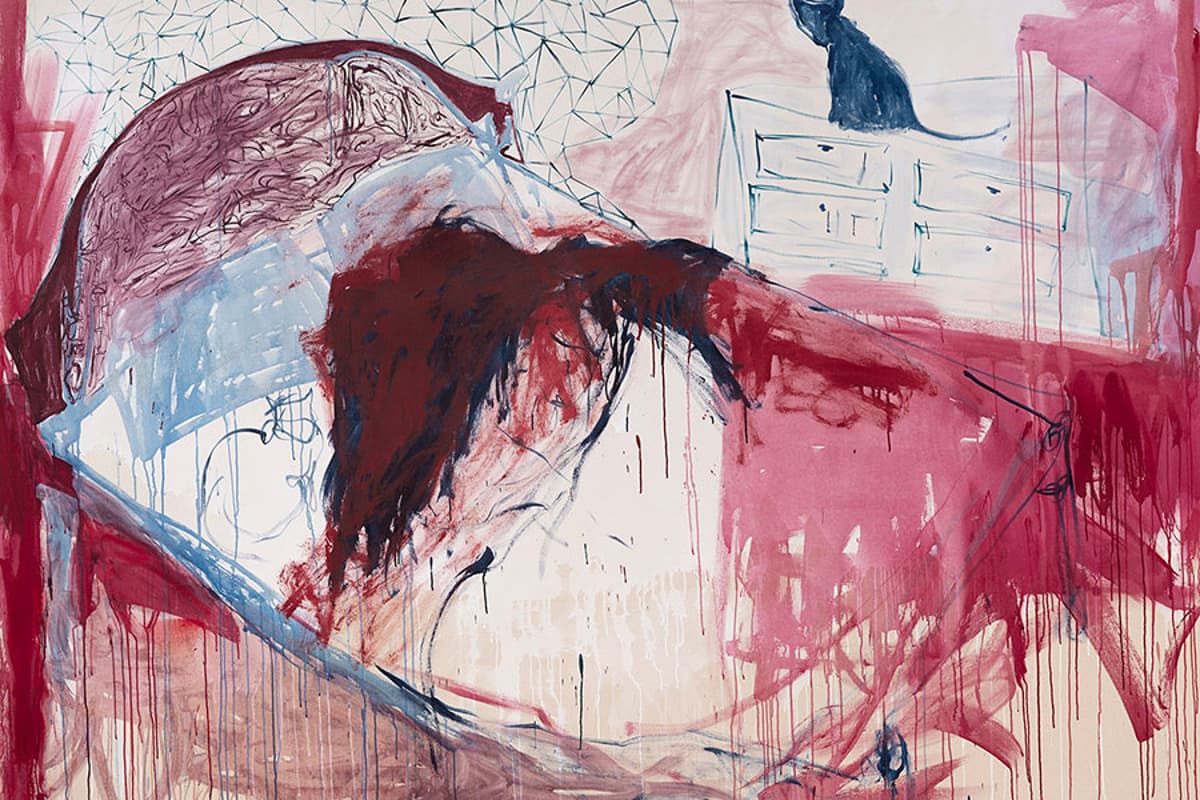
Tracey Emin’s latest Tate Modern showcase is more than a retrospective; it is a public testament to artistic resilience after a life‑altering health battle. The exhibition, comprising over ninety pieces, juxtaposes early confessional works with recent explorations of identity, offering scholars a rare longitudinal view of her evolving practice. By framing her recovery as a "second life," Emin taps into a broader narrative of artists who transform personal adversity into cultural capital, a pattern that fuels collector interest and drives museum attendance.
Beyond the walls of the gallery, Emin’s institutional clout has expanded dramatically. Since her 2024 damehood, she has taken on high‑profile roles—including Royal Academician, British Museum trustee, and founder of the Tracey Emin Foundation, which subsidizes studio space for emerging creators. This network of influence not only secures funding pipelines for younger talent but also positions her as a gatekeeper in the UK art market, where her endorsement can accelerate an artist’s commercial trajectory. Critics note that her dual identity as a celebrated creator and philanthropist reshapes power dynamics within Britain’s cultural elite.
Emin’s outspoken engagement with politics, education, and gender‑based violence adds a layer of relevance that extends beyond aesthetics. In an era where cultural institutions are scrutinized for social responsibility, her commentary aligns with a growing demand for artists to act as civic voices. This stance enhances the exhibition’s appeal to a socially conscious audience and reinforces the market’s appetite for works that carry both artistic merit and activist resonance. As galleries worldwide seek programming that merges high art with public discourse, Emin’s "second life" exhibition serves as a blueprint for leveraging personal narrative into broader cultural impact.
Mighty Real
Comments
Want to join the conversation?
Loading comments...