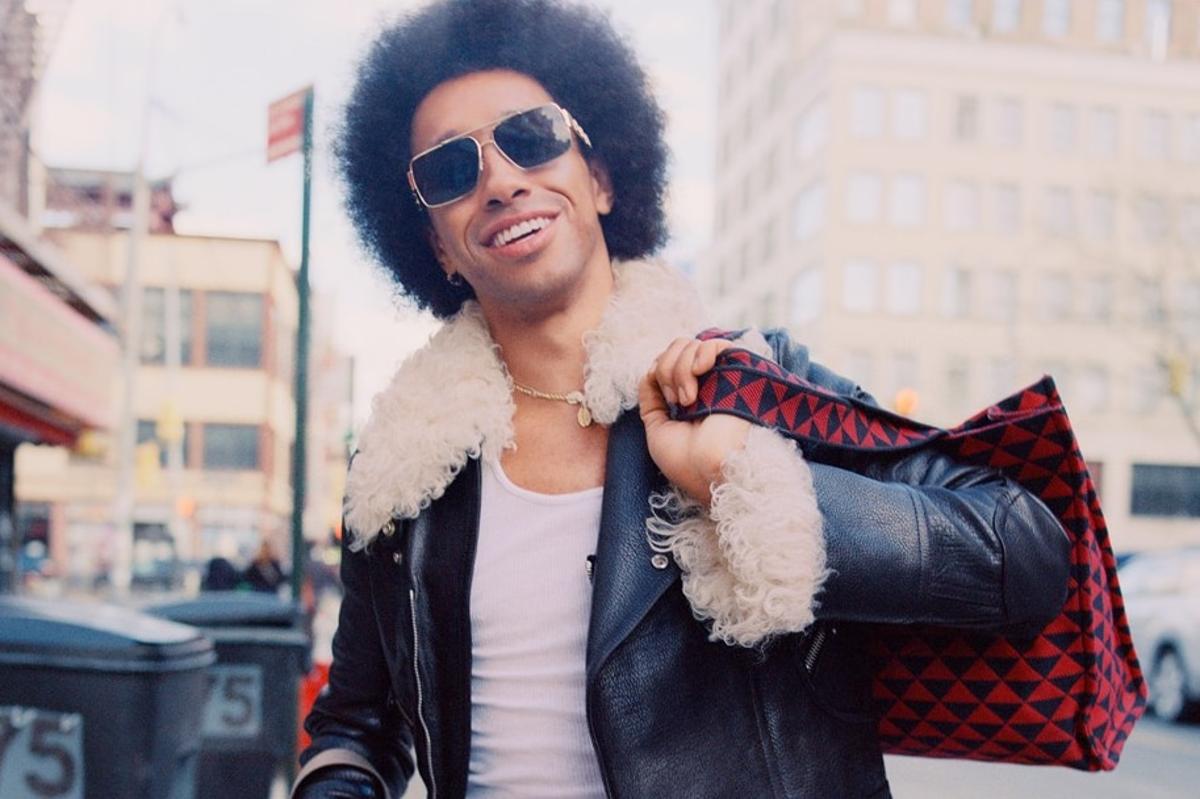
Miles Greenberg: “It’s Hard to Ignore the Body’s Particular Poetry”
Why It Matters
The trip illustrates how artists are integrating ancestral spirituality into mainstream venues, expanding cultural dialogue. It also signals rising market and curatorial interest in African‑rooted performance narratives.
Key Takeaways
- •Greenberg explored Benin's Vodun Days festival in Ouidah.
- •Ancestral rituals influenced his body-centric performance style.
- •His work has been featured at the Louvre and Venice Biennale.
- •The pilgrimage underscores growing interest in African spiritual heritage.
- •Greenberg links personal genetics to artistic impulse.
Pulse Analysis
Miles Greenberg has built a reputation on marathon performances that turn his own body into a moving sculpture. Born in Montreal, the artist gained international attention with installations at the Louvre’s contemporary wing and a solo piece at the Venice Biennale, where he spent hours contorting, breathing, and vocalizing to expose the limits of human endurance. Critics describe his work as a dialogue between physicality and emotion, a “poetry of the flesh” that invites viewers to witness the invisible forces that shape movement. Greenberg’s latest project adds a new layer of personal narrative to this formula.
The pilgrimage to Benin placed Greenberg at the heart of Vodun Days, an annual celebration in Ouidah that commemorates the city’s role as a historic gateway of the transatlantic slave trade. Vodun, a syncretic religion rooted in West African ancestor worship, employs masked dances, drumming, and communal trance to channel collective memory. Greenberg reports that the rhythmic exchanges and the audience’s energetic participation resonated with his own instinctual impulses, confirming his belief that artistic expression can be inherited. This encounter reflects a broader movement among diaspora artists who seek authenticity through direct engagement with ancestral rites.
The convergence of high‑profile contemporary venues and African spiritual practices signals a shift in the art market toward culturally rooted narratives. Galleries and museums are increasingly commissioning works that reference Vodou, Yoruba, and other African traditions, recognizing both their aesthetic richness and their commercial appeal to collectors seeking socially conscious pieces. Greenberg’s integration of personal genetics with performance may inspire similar explorations, encouraging curators to program exhibitions that bridge historical trauma and present‑day creativity. As audiences become more receptive to these hybrid experiences, the demand for authentic, lineage‑based art is likely to grow.
Miles Greenberg: “It’s Hard to Ignore the Body’s Particular Poetry”
Comments
Want to join the conversation?
Loading comments...