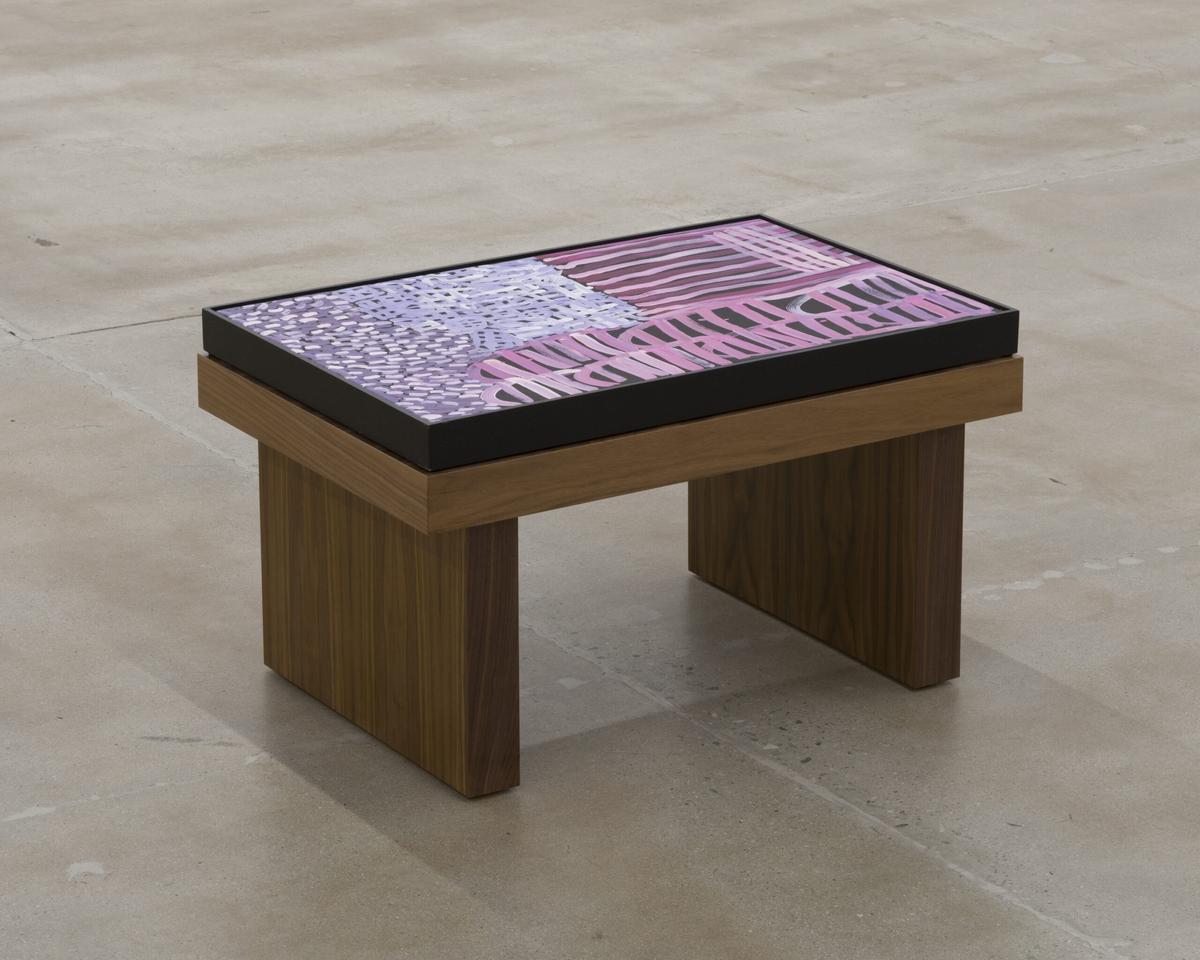
Minnie Pwerle, Emily Pwerle, Molly Pwerle, Galya Pwerle at Château Shatto
Why It Matters
The show spotlights the resilience of Western Desert art, demonstrating how Indigenous ceremonial practices can thrive in commercial galleries and attract new collectors. It reinforces the growing demand for authentic Aboriginal works and supports cultural preservation amid ongoing colonial legacies.
Key Takeaways
- •13 acrylic works titled *Awelye Atnwengerrp* displayed
- •Sisters' paintings use black ground, vivid primary strokes
- •Exhibition shows shift from bodypainting to permanent acrylic
- •Works embody awelye rituals, preserving Indigenous ceremonial knowledge
- •Château Shatto introduces remote Aboriginal art to LA collectors
Pulse Analysis
The Western Desert Art Movement emerged in the 1970s when Aboriginal artists in Papunya began using acrylics to record Dreaming stories traditionally painted on sand or skin. Prompted by government‑run settlements that forced disparate language groups together, the movement became a powerful act of cultural resistance, turning synthetic polymer paint into a vehicle for preserving ancient narratives. Today, works from that era command high prices and are celebrated for their bold color fields and symbolic depth, positioning Indigenous Australian art as a cornerstone of contemporary global collections.
At Château Shatto, the Pwerle sisters—now in their 70s and 80s when they started painting—offered a rare glimpse into the personal evolution from ceremonial body‑painting to large‑scale acrylic canvases. Each of the 13 pieces shares a black underlayer, allowing intense reds, blues, ochres and whites to pulse like ceremonial fire against darkness. While Minnie’s confident circles echo wildfire smoke, Molly’s cascading blue‑white stripes suggest flowing water, Galya’s dabs create a blossoming night‑sky, and Emily’s dense cross‑strokes form a cosmic tapestry. The collaborative table‑top work physically foregrounds the act of making, emphasizing collective memory over individual authorship.
The exhibition’s impact extends beyond aesthetics; it signals a rising appetite among collectors for authentic Aboriginal voices that have survived colonial suppression. By presenting the Pwerle sisters in a high‑visibility LA venue, the show amplifies market exposure, potentially driving auction results and museum acquisitions for similar works. Moreover, it educates a broader audience about awelye ceremonies, reinforcing the role of art as a living repository of cultural knowledge. As institutions and private buyers increasingly prioritize provenance and ethical sourcing, exhibitions like this help ensure that Indigenous creators retain agency over their narratives while participating in the global art economy.
Minnie Pwerle, Emily Pwerle, Molly Pwerle, Galya Pwerle at Château Shatto
Comments
Want to join the conversation?
Loading comments...