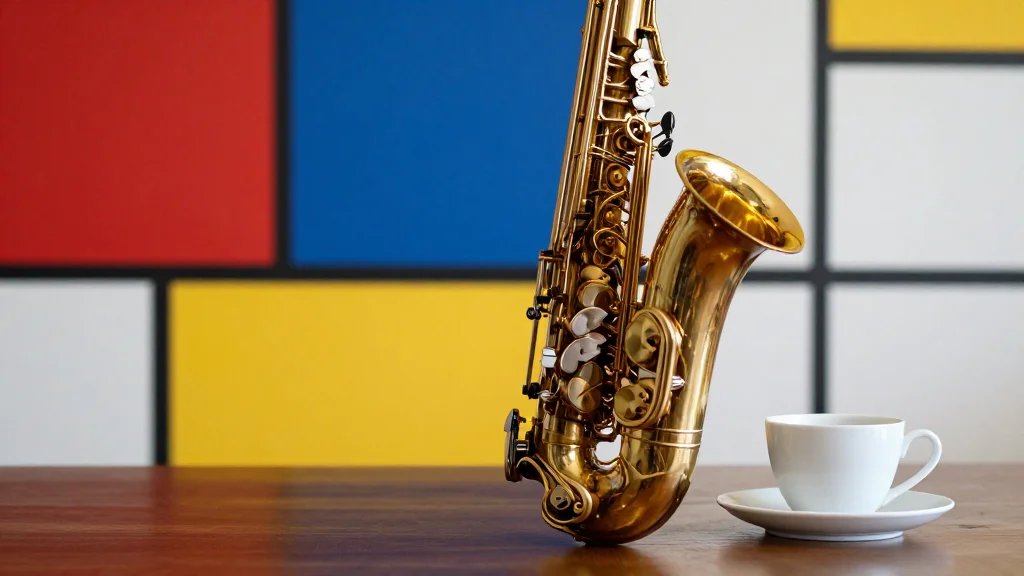
MoMA Exhibition Will Examine Mondrian’s Time in New York and Love of Boogie Woogie Music
Why It Matters
By pairing iconic modernist paintings with the cultural history of jazz and migration, the exhibition reframes Mondrian’s legacy and demonstrates the power of cross‑institutional collaboration. It also highlights the diplomatic and financial complexities of loaning national‑heritage artworks, a factor that can shape future museum partnerships.
Key Takeaways
- •Exhibition reunites Mondrian’s final two “Boogie Woogie” paintings after 30 years
- •Shows how New York’s jazz scene shaped Mondrian’s late abstract style
- •Dutch government spent $40 million to acquire Victory Boogie Woogie, sparking controversy
- •30 works illustrate refugee experience and Black migration in 1940s America
- •Jason Moran composes live piano piece, merging art and boogie‑woogie music
Pulse Analysis
Piet Mondrian’s brief but prolific New York period has long intrigued scholars, yet the city’s vibrant boogie‑woogie culture has received limited attention. "Mondrian Boogie Woogie" places his last two canvases—Broadway Boogie Woogie (1942‑43) and Victory Boogie Woogie (1942‑44)—at the heart of a narrative that connects abstract geometry with the syncopated rhythms of African‑American jazz. By examining the parallel migrations of a European refugee and the Black diaspora fleeing Jim Crow oppression, the exhibition offers a nuanced view of how cultural exchange reshaped modernist aesthetics in the 1940s.
The reunion of the two paintings is a logistical triumph. Victory Boogie Woogie, purchased in 1998 with the Dutch government’s equivalent of $40 million, has remained in the Netherlands due to heritage protection rules. Its loan to MoMA, coordinated with the Kunstmuseum Den Haag and Dutch cultural agencies, underscores the diplomatic negotiations and financial stakes involved in sharing national treasures. The high‑profile loan not only resolves a three‑decade separation but also signals a willingness among institutions to navigate political sensitivities for the sake of scholarly and public enrichment.
Beyond art‑historical relevance, the show’s interdisciplinary programming—featuring a recreated Café Society space and a live piano composition by jazz virtuoso Jason Moran—aims to attract diverse audiences and stimulate dialogue about freedom, oppression, and artistic expression. This model of immersive, cross‑cultural exhibition could set a precedent for future museum projects, driving attendance, boosting donor interest, and reinforcing the role of major institutions as custodians of both visual and musical heritage.
MoMA exhibition will examine Mondrian’s time in New York and love of boogie woogie music
Comments
Want to join the conversation?
Loading comments...