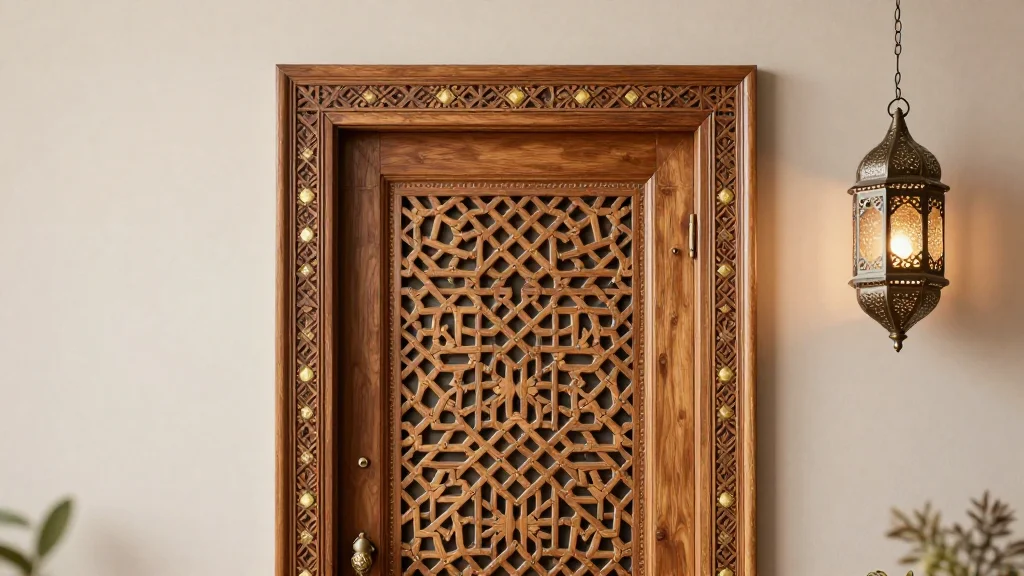
Morocco Debuts at the Biennale with an Exploration of Its Age-Old Craft Traditions
Why It Matters
The pavilion spotlights Morocco’s intangible cultural heritage on a global stage, boosting visibility for its artisan community and reinforcing cultural diplomacy through contemporary art.
Key Takeaways
- •First Moroccan national pavilion at Venice Biennale.
- •300 m² installation titled “Asetta” by Amina Agueznay.
- •Collaboration with 130+ artisans, majority women.
- •Explores craft transmission and architectural threshold concept.
- •Open May 9–Nov 22, Arsenale, under “In Minor Keys”
Pulse Analysis
The Venice Biennale, often called the Olympics of contemporary art, provides a rare platform where nations showcase cultural narratives through architecture, design and visual art. Morocco’s decision to field its first ever national pavilion marks a strategic cultural outreach, positioning the North African kingdom alongside long‑standing participants such as France, Germany and Japan. By aligning the exhibition with curator Koyo Kouoh’s “In Minor Keys” theme, the pavilion signals a willingness to engage with global dialogues about memory, marginality and the role of tradition in a hyper‑connected world.
“Asetta”, meaning “loom” in Amazigh, is a 300‑square‑metre, site‑specific installation conceived by artist‑architect Amina Agueznay. The work is the product of extensive field research and a collaborative network of more than 130 artisans—most of them women—from Casablanca to the Atlas Mountains. Their expertise in weaving, beadwork and embroidery is woven into the structure, turning the pavilion itself into a living archive of Moroccan craft. Agueznay’s focus on the architectural threshold, or âatba, invites visitors to cross a symbolic boundary between public exhibition space and intimate, tactile heritage.
The pavilion’s visibility is likely to generate fresh demand for Moroccan handmade goods, offering artisans a conduit to international markets that have traditionally been inaccessible. Moreover, the project underscores how contemporary art can serve as a catalyst for preserving intangible cultural heritage while delivering economic benefits. As critics and collectors flock to the Arsenale, Morocco’s craft sector may attract new partnerships, funding streams and tourism, reinforcing the country’s broader soft‑power strategy and setting a precedent for future national pavilions from emerging economies.
Morocco debuts at the Biennale with an exploration of its age-old craft traditions
Comments
Want to join the conversation?
Loading comments...