Moza Al Falasi Debuts 'Unfolding' In Dubai, Turning Personal Grief Into Multi‑Media Art

Why It Matters
Moza Al Falasi’s debut solo show marks a pivotal moment for Emirati artists seeking institutional recognition beyond commercial galleries. By translating personal grief into a publicly exhibited, technology‑enhanced practice, she expands the discourse around how Middle Eastern creators engage with universal themes of loss and memory. The exhibition also highlights the impact of government‑backed programmes like Tashkeel’s Critical Practice Programme, which provide emerging artists with mentorship, studio access and funding, thereby strengthening the UAE’s cultural infrastructure. Beyond the individual narrative, "Unfolding" contributes to the growing visibility of Gulf art on the world stage. As collectors and curators increasingly look to the region for fresh perspectives, Al Falasi’s work demonstrates that deeply personal, emotionally resonant art can command both critical attention and market interest, encouraging further investment in local talent and encouraging other artists to explore interdisciplinary, technology‑driven approaches.
Key Takeaways
- •Moza Al Falasi opens her debut solo exhibition "Unfolding" at Tashkeel, Dubai
- •Show combines sculpture, photography, sound, painting, plaster and fabric
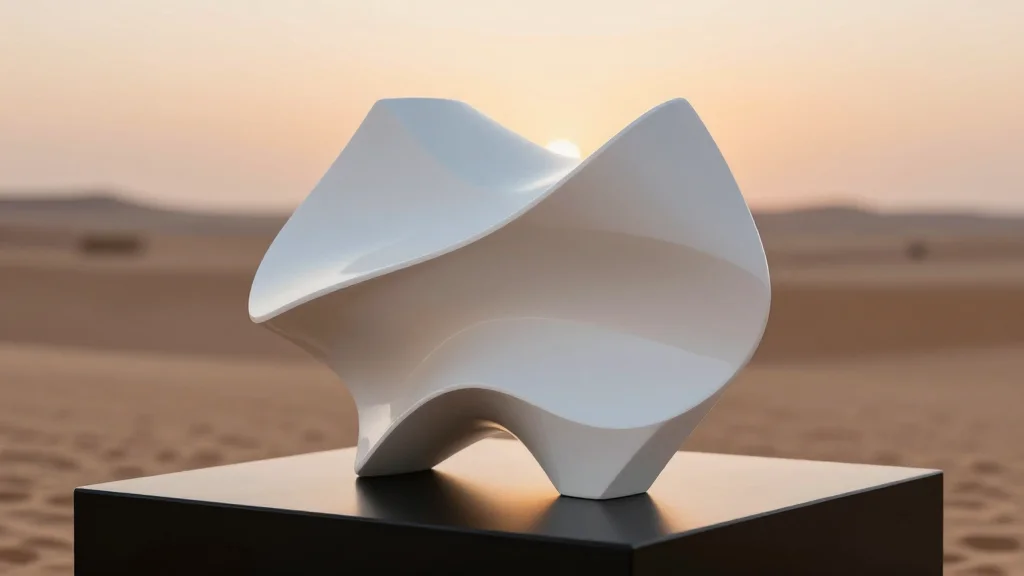
- •Featured a two‑metre‑high 3D‑printed sculpture derived from a distorted plaster cast
- •Part of Tashkeel’s Critical Practice Programme, mentored by Luisa Menano and Hanaa Bou Hamdan
- •Exhibition explores inherited grief, domestic memory and emotional landscape
Pulse Analysis
Al Falasi’s emergence illustrates how state‑supported incubators are reshaping the Gulf’s artistic ecosystem. Tashkeel’s model—offering mentorship, studio space and modest funding—mirrors similar initiatives in Europe and North America, yet it is uniquely attuned to the cultural sensitivities of the region. By foregrounding grief, a theme traditionally considered private, Al Falasi challenges the often celebratory narrative of rapid development that dominates UAE cultural discourse. This pivot could inspire a new generation of artists to interrogate personal and collective histories, enriching the region’s artistic output with deeper emotional layers.
The integration of 3D printing into a grief‑laden sculpture also signals a broader trend: technology as a therapeutic medium. While the Gulf has invested heavily in high‑profile architectural feats, its art institutions are now leveraging digital fabrication to expand expressive possibilities. If Al Falasi’s forthcoming collaborations with international venues materialise, they could position Dubai as a hub where cutting‑edge tech meets intimate storytelling, attracting curators seeking fresh, globally resonant narratives from the Middle East.
Finally, the market implications are notable. As collectors worldwide diversify portfolios with non‑Western contemporary art, exhibitions like "Unfolding" provide a compelling narrative hook that can translate into auction interest and museum acquisitions. The success of Al Falasi’s debut may encourage funders to allocate more resources toward interdisciplinary projects, reinforcing the UAE’s ambition to be a cultural capital while preserving the authenticity of its artists’ voices.
Moza Al Falasi Debuts 'Unfolding' in Dubai, Turning Personal Grief into Multi‑Media Art
Comments
Want to join the conversation?
Loading comments...