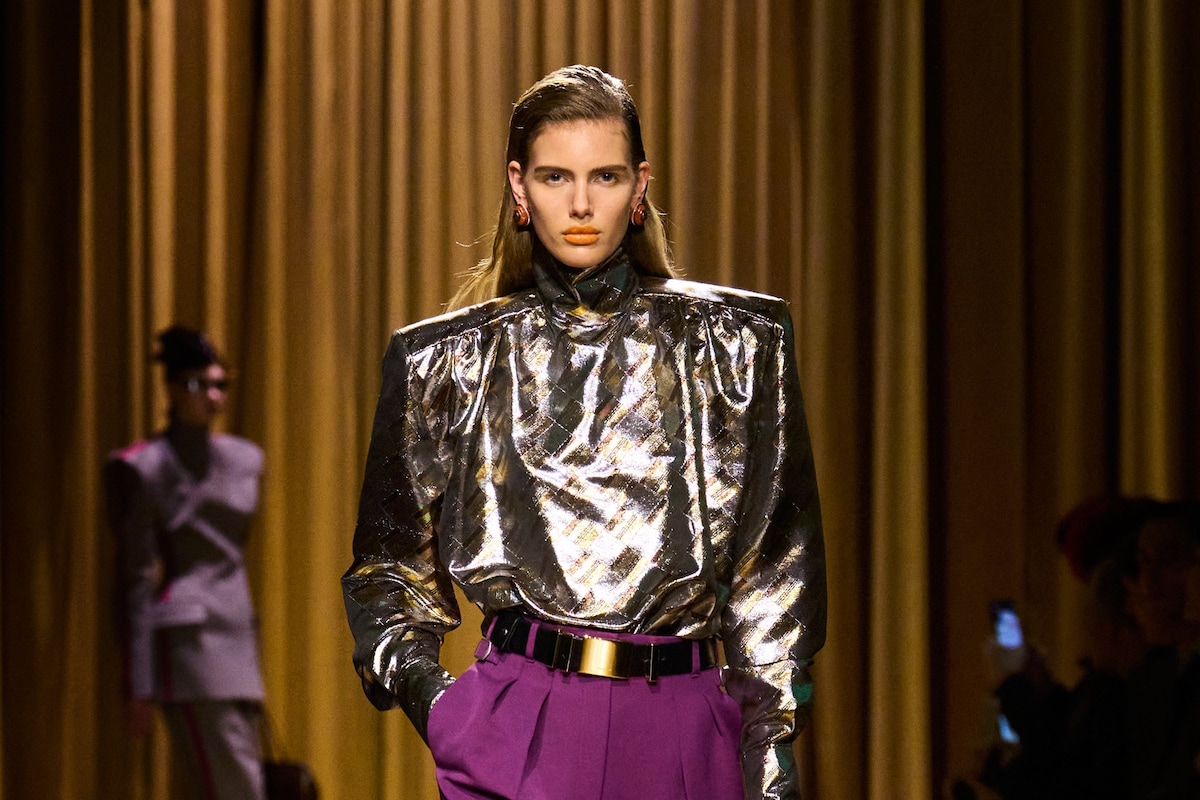
Mugler AW26 Takes Us on a Power Trip Down Memory Lane
•March 6, 2026
0
Why It Matters
The runway reaffirms Mugler’s brand revival, leveraging heritage to attract luxury consumers and strengthen market relevance. Its high‑visibility debut at Paris Fashion Week can translate into stronger sales and partnership opportunities.
Key Takeaways
- •Miguel Castro Freitas continues Mugger's brand revival
- •AW26 collection blends 1990s heritage with futuristic elements
- •Show emphasizes theatrical storytelling, reinforcing Mugler's identity
- •High-profile celebrity collaborations anticipated to boost sales
- •Paris Fashion Week spotlight repositions Mugler in luxury market
Pulse Analysis
Mugler’s resurgence began last September when Portuguese designer Miguel Castro Freitas took the helm, inheriting a legacy built on audacious glamour and avant‑garde tailoring. His debut collection set the tone for a multi‑season narrative, positioning the house as a storyteller rather than a mere apparel label. By framing the Autumn‑Winter 2026 show as part of a "Trilogy of Glorified," Freitas taps into cultural nostalgia while signaling a strategic, long‑term vision that aligns with luxury consumers’ appetite for immersive brand experiences.
The AW26 runway fused Mugler’s signature 1990s motifs—exaggerated shoulders, metallic armor, and sculptural silhouettes—with contemporary materials like reflective neoprene and 3‑D‑printed accessories. Lighting design and choreography evoked a cinematic power trip, reinforcing the house’s reputation for theatrical spectacle. This blend of retro reverence and futuristic innovation not only differentiates Mugler on the Paris Fashion Week stage but also creates a versatile product pipeline that can translate into ready‑to‑wear, accessories, and high‑impact collaborations.
From a business perspective, the show’s high‑profile exposure and clear narrative arc are poised to drive demand across multiple channels. Anticipated celebrity endorsements and strategic partnerships could amplify brand equity, while the collection’s mix of iconic and novel pieces offers pricing flexibility to capture both core luxury buyers and emerging affluent consumers. As Mugler continues to capitalize on its storied past while embracing cutting‑edge design, investors and industry watchers will monitor its sales trajectory and potential expansion into new markets.
Mugler AW26 takes us on a power trip down memory lane
0
Comments
Want to join the conversation?
Loading comments...